
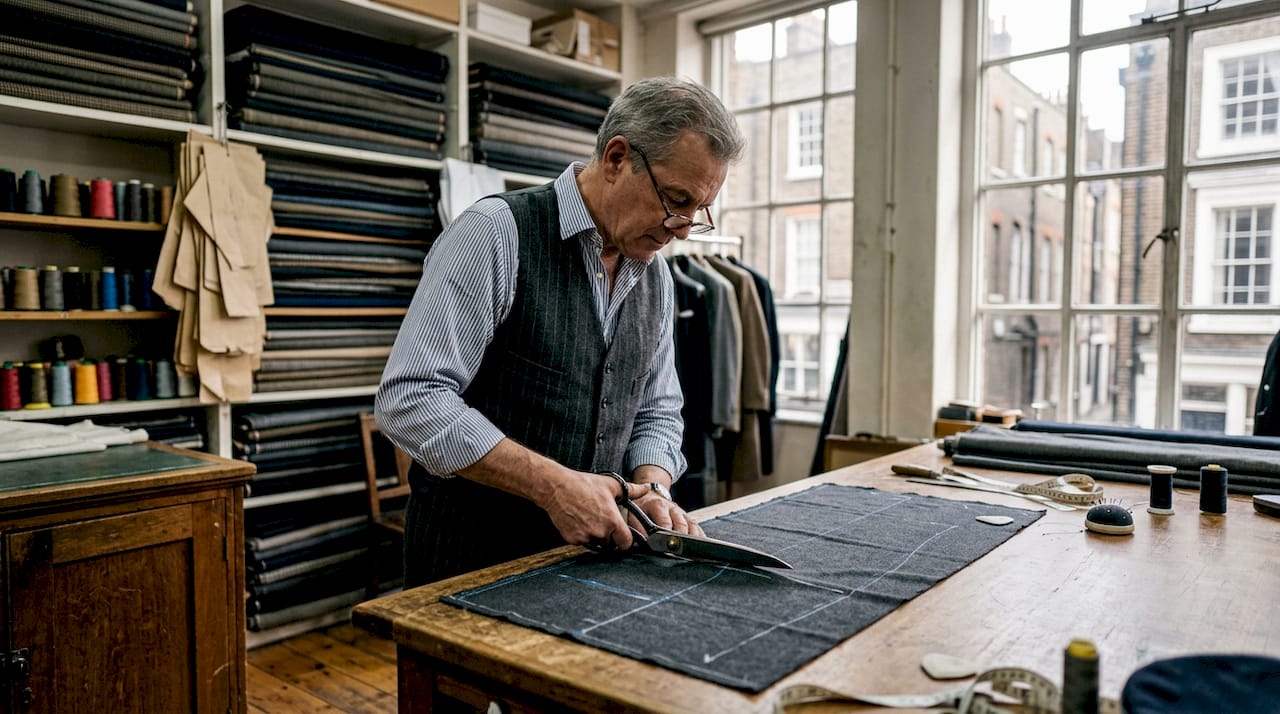
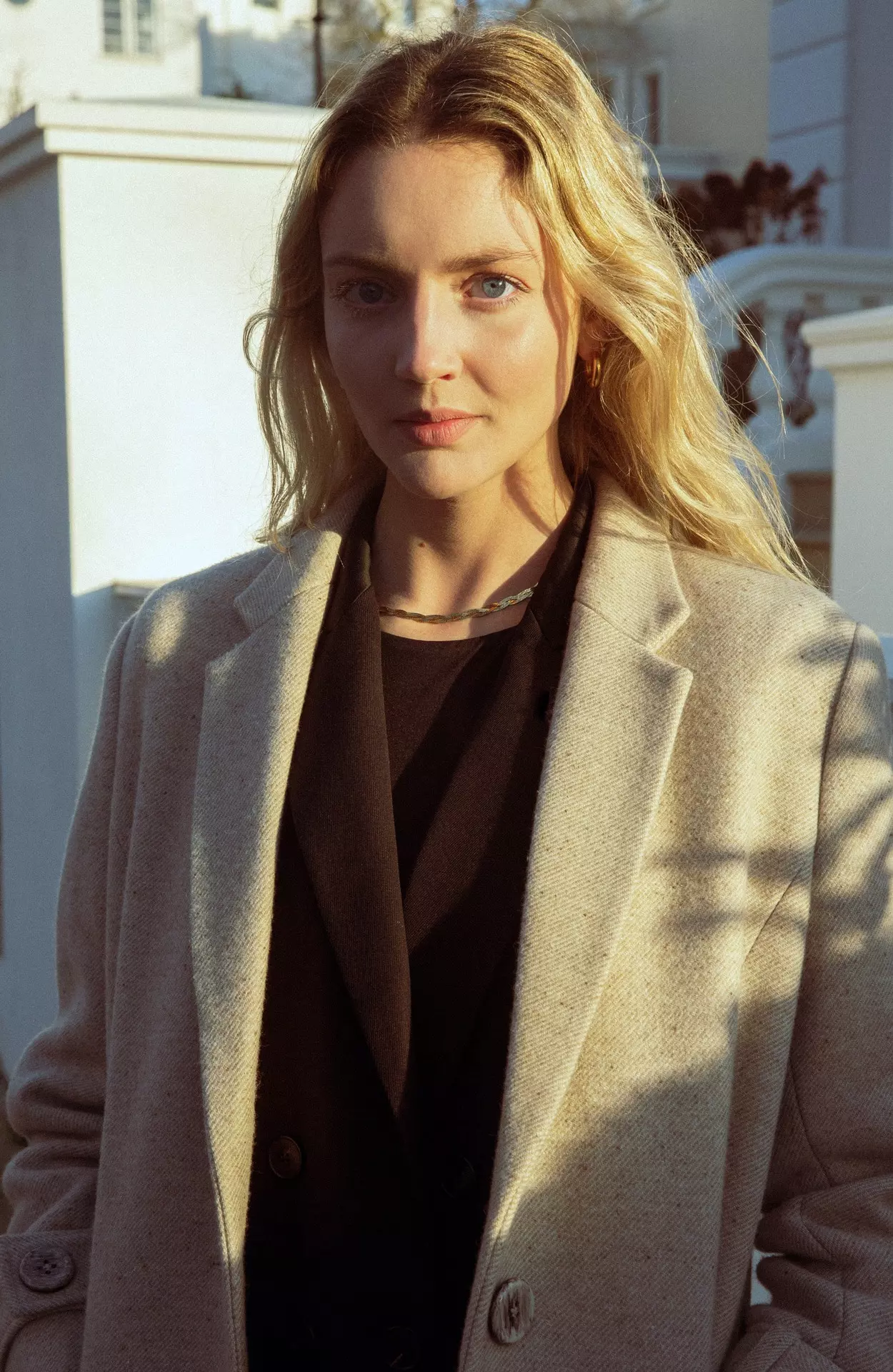
Most people think bespoke simply means custom-made clothing, but true bespoke fashion represents the pinnacle of personalized luxury craftsmanship. Unlike off-the-rack or even made-to-measure garments, authentic bespoke tailoring involves creating a unique pattern from scratch for each client, hand-cutting fabric, and conducting multiple fittings over weeks. This heritage craft, rooted in Savile Row’s legendary ateliers, delivers unmatched fit, personal expression, and garment longevity that can span decades. Understanding what distinguishes genuine bespoke from marketing claims empowers you to make informed luxury fashion investments that reflect your individual style and status.
Table of Contents
- Key takeaways
- Understanding bespoke fashion: definition and heritage
- The bespoke tailoring process: crafting your unique garment
- Bespoke vs made-to-measure: understanding the differences
- Bespoke fashion’s luxury value: market trends and exclusive benefits
- Explore premium luxury fashion and accessories
- Frequently asked questions about bespoke fashion
Key Takeaways
| Point | Details |
|---|---|
| True bespoke definition | Authentic bespoke creates a garment from scratch with a unique pattern for each client, distinguishing it from standard alterations and made to measure. |
| Unique pattern creation | Master tailors draft a fresh pattern based on exact measurements, posture, and style preferences before any fabric is cut. |
| Extensive handwork and fittings | Bespoke involves substantial hand cutting and sewing, plus multiple in person fittings over weeks to refine fit and style. |
| Savile Row standards | The Savile Row Bespoke Association defines strict criteria including unique pattern drafting, hand work, and several client fittings to qualify as true bespoke. |
| Growing market demand | The global demand for bespoke is rising as affluent buyers seek exclusivity, customization, and lasting quality. |
Understanding bespoke fashion: definition and heritage
The term bespoke originates from Savile Row, London’s legendary tailoring district, where cloth was literally “spoken for” in advance by clients commissioning garments. Bespoke fashion is custom-made clothing crafted entirely from scratch for an individual client without using pre-existing patterns, distinguishing it fundamentally from any other form of tailoring. This definition matters because the fashion industry often misuses “bespoke” as a marketing term for services that are merely alterations or adjustments.
Authentic bespoke garments start with a blank canvas. Master tailors create unique paper patterns based on your exact measurements, body shape, posture, and style preferences. Every element reflects individual specifications, from fabric selection among thousands of options to button placement and pocket angles. This level of personalization extends beyond fit to encompass your lifestyle, professional needs, and aesthetic vision.
The Savile Row Bespoke Association standards protect this heritage by defining strict criteria for what qualifies as true bespoke. These standards ensure garments receive substantial handwork, unique pattern drafting, and multiple client fittings. Without such enforcement, the term would lose meaning as mass producers co-opt it for marketing advantage.
Core elements defining bespoke fashion include:
- Unique pattern creation tailored to individual body measurements and posture
- Extensive hand-cutting and hand-sewing throughout construction
- Multiple in-person fittings allowing progressive refinement
- Full canvas construction providing structure and longevity
- Consultation-driven design reflecting personal style and needs
Bespoke represents more than superior fit. It embodies a relationship between craftsperson and client, a collaborative creative process yielding garments that express personality and status. For centuries, royalty, business leaders, and style icons have commissioned bespoke pieces as investments in their personal brand and comfort. This cultural significance elevates bespoke beyond clothing into wearable art and heritage craft.
“True bespoke tailoring creates a garment as unique as your fingerprint, where every stitch serves both function and individual expression.”
The distinction between authentic bespoke and other tailoring methods affects not just quality but value retention. Properly maintained bespoke garments can last 20 to 30 years, making them sustainable luxury investments. Understanding couture fashion principles helps contextualize bespoke within the broader luxury fashion landscape, where craftsmanship and exclusivity command premium positioning.
The bespoke tailoring process: crafting your unique garment
Creating a bespoke garment unfolds through five distinct phases, each requiring specialized expertise and significant time investment. The bespoke process involves consultation, 20-30+ measurements, unique pattern drafting, hand-cut fabric, multiple fittings, and hand assembly taking over 70 hours and 8-12 weeks. This timeline reflects the meticulous attention required to achieve perfection in fit and finish.
-
Initial consultation and fabric selection: Your tailor discusses lifestyle, occasions, style preferences, and functional requirements. You examine fabric swatches from collections often exceeding 2,000 options, considering weight, texture, pattern, and seasonal appropriateness. This conversation establishes the garment’s purpose and aesthetic direction.
-
Comprehensive measurement and posture analysis: Beyond standard dimensions, tailors assess posture, shoulder slope, arm carriage, and body asymmetries. They note whether you favor one side, how you stand naturally, and any physical characteristics requiring accommodation. These observations inform pattern adjustments ensuring comfort and natural drape.
-
Unique pattern drafting: Master cutters create paper patterns specifically for your body, incorporating measurements and posture observations. Unlike made-to-measure services that modify existing templates, bespoke patterns start from fundamental principles, building a blueprint unique to you. This stage separates true bespoke from all other tailoring methods.
-
Hand-cutting and initial assembly: Craftspeople cut fabric by hand, allowing micro-adjustments impossible with machine cutting. They assemble the garment using full canvas construction, where horsehair canvas is hand-stitched between fabric layers. This labor-intensive technique provides structure while allowing the garment to conform to your body over time.
-
Progressive fittings and refinements: You attend multiple fittings as the garment takes shape. The baste fitting uses loosely assembled pieces to verify overall fit and proportions. Forward fittings refine details like sleeve pitch and button placement. The final fitting ensures perfection before completion. Each session allows adjustments based on how fabric drapes on your moving body.
Pro Tip: Schedule your initial consultation at least three months before you need the finished garment. Rush orders compromise the reflection time tailors need between fittings to assess adjustments and plan refinements.
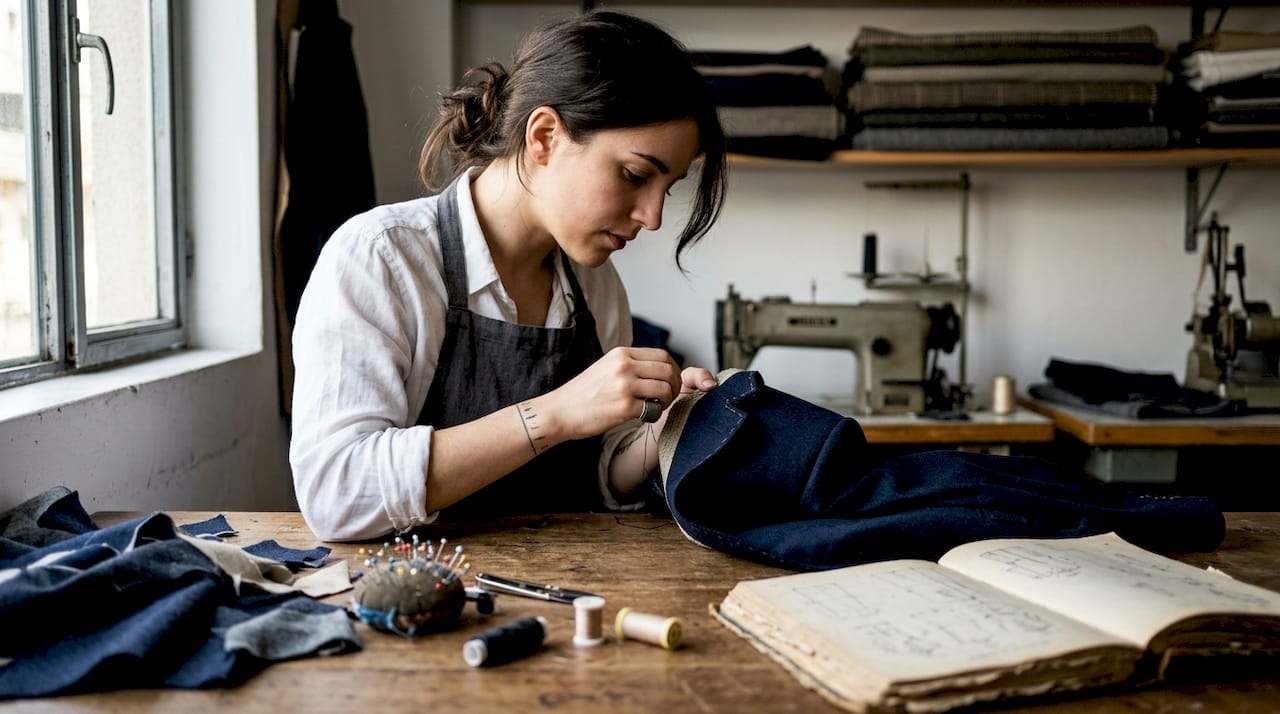
The extensive handwork distinguishes bespoke quality. Tailors hand-stitch lapels, creating subtle rolls that machine stitching cannot replicate. They hand-pad collars for proper stand and shape retention. Buttonholes receive hand-stitching for durability and aesthetic refinement. These details accumulate into garments that move with you naturally and maintain their shape through years of wear.
Understanding how to personalize luxury fashion extends beyond tailoring into accessories and complete wardrobe curation. The principles of luxury customization apply across fashion categories, from shoes to jewelry, enabling comprehensive personal style development.
Bespoke vs made-to-measure: understanding the differences
The fashion industry’s loose use of terminology creates confusion about what constitutes true bespoke craftsmanship. Bespoke uniquely drafts patterns per client, requires over 70 hours of handwork, and multiple in-person fittings, while made-to-measure adjusts existing block patterns with less handwork and fewer fittings. These distinctions affect not just fit quality but garment longevity and value.
| Feature | Bespoke | Made-to-Measure |
|---|---|---|
| Pattern | Unique pattern drafted from scratch for each client | Adjustments to existing block patterns |
| Handwork | Over 70 hours of hand-cutting, stitching, and finishing | Limited handwork, primarily machine construction |
| Fittings | 3-5 in-person fittings with progressive refinements | 0-2 fittings, often just measurements |
| Timeline | 8-12 weeks for completion | 4-6 weeks typical turnaround |
| Customization | Complete design freedom in every detail | Limited to predefined options and adjustments |
| Cost | $3,000-$10,000+ for suits | $800-$2,500 typical range |
| Standards | SRBA certification and enforcement | No standardized quality benchmarks |
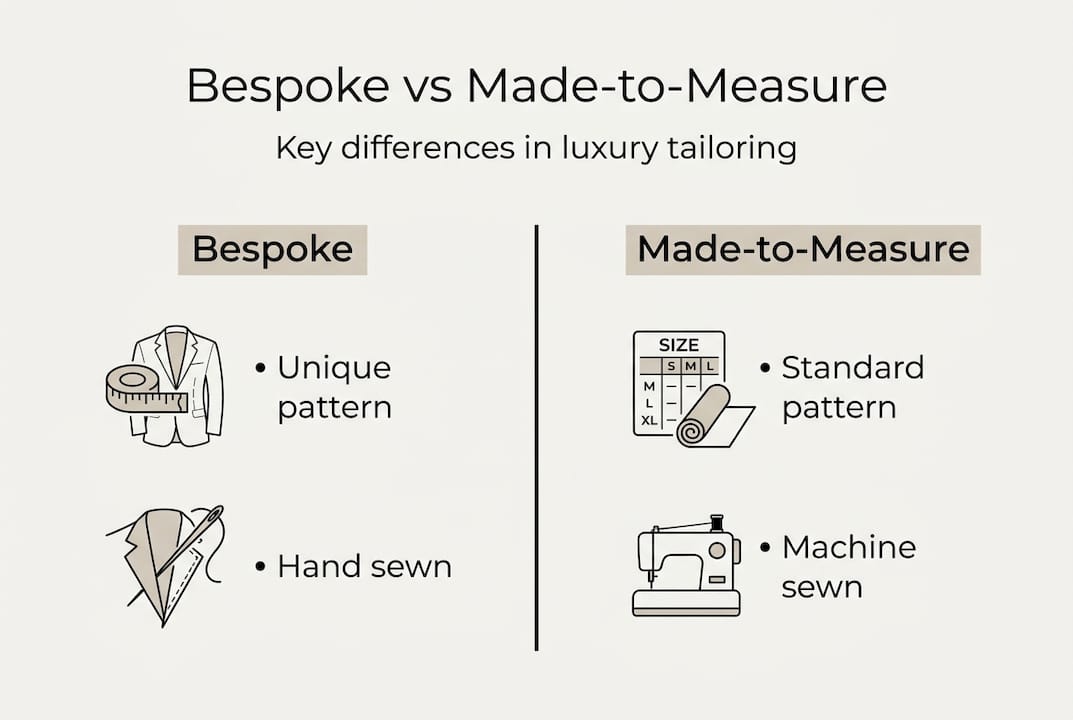
Pattern creation represents the fundamental dividing line. Bespoke tailors draft patterns considering your unique body proportions, posture peculiarities, and movement patterns. They account for details like whether one shoulder sits higher, how your spine curves, or how your arms hang naturally. Made-to-measure services start with standardized patterns for different body types, adjusting measurements within predefined parameters.
The extent of handwork directly impacts garment quality and longevity:
- Bespoke garments receive hand-stitched canvas, lapels, and buttonholes that conform to your body over time
- Made-to-measure typically uses fused construction where adhesive bonds fabric layers, which can separate with cleaning
- Hand-finishing in bespoke creates subtle details like pick stitching and hand-rolled edges
- Machine construction in made-to-measure prioritizes efficiency over artisanal refinement
Fitting processes reveal another critical difference. Bespoke requires your physical presence for multiple sessions, allowing tailors to observe how fabric drapes on your moving body. They assess whether sleeves restrict arm movement, if the collar gaps when you turn your head, or whether the jacket rides up when you sit. Made-to-measure often works from measurements alone, shipping finished garments without intermediate fittings.
Pro Tip: Ask potential tailors specific questions about their process. Request to see their pattern-making area and inquire about fitting schedules. Authentic bespoke ateliers welcome transparency about their craft and readily explain their methods.
Quality standards enforcement matters significantly. The Savile Row Bespoke Association certifies tailors meeting strict criteria, providing consumer protection against misleading claims. Made-to-measure services operate without standardized oversight, leading to wide quality variation.
Posture correction exemplifies bespoke’s advantages. If you have rounded shoulders or uneven hip alignment, bespoke tailors incorporate compensating adjustments into the pattern itself. The garment disguises these characteristics while allowing natural movement. Made-to-measure services lack the flexibility for such sophisticated corrections, working within their pattern system’s constraints.
Marketing misuse of “bespoke” has diluted the term’s meaning. Some retailers apply it to any alteration service or limited customization option. Understanding luxury customization principles helps you evaluate claims critically. Exploring customization in luxury fashion reveals how personalization operates across different quality tiers and price points.
The luxury fashion shopping process benefits from understanding these distinctions. Knowing what questions to ask and what standards to expect reduces disappointment and ensures your investment delivers expected value.
Bespoke fashion’s luxury value: market trends and exclusive benefits
The global appetite for bespoke tailoring reflects broader luxury market dynamics where affluent consumers increasingly prioritize exclusivity, craftsmanship, and personal expression over mass-produced alternatives. The global bespoke tailoring market was $3.2B in 2024, projected to reach $5.8B by 2033 with 6.8% annual growth, driven by affluent clients, with North America representing 34%. This expansion demonstrates how high-net-worth individuals view bespoke as essential rather than optional luxury.
| Market Metric | 2024 Value | 2033 Projection |
|---|---|---|
| Global market size | $3.2 billion | $5.8 billion |
| Annual growth rate | 6.8% CAGR | Sustained through 2033 |
| North America share | 34% | Leading regional market |
| Primary drivers | Affluent consumers, exclusivity demand | Personalization trends |
Several factors fuel this growth trajectory. Rising wealth concentration creates expanding customer bases for ultra-premium services. Younger affluent consumers value experiences and craftsmanship over conspicuous branding. Digital fatigue drives appreciation for tangible, handmade goods requiring human expertise. These trends position bespoke favorably within evolving luxury consumption patterns.
Bespoke fashion delivers distinctive benefits justifying premium investment:
- Exceptional fit: Garments conform precisely to your body, eliminating the compromises inherent in sized clothing. Proper fit enhances comfort, appearance, and confidence.
- Personal expression: Complete design control allows you to manifest your aesthetic vision and personality through clothing. Every detail reflects your choices and taste.
- Longevity and sustainability: Well-maintained bespoke pieces last 20 to 30 years, offering superior cost-per-wear compared to disposable fashion. This durability aligns with sustainable consumption values.
- Status and heritage: Commissioning bespoke signals discernment, success, and appreciation for traditional craftsmanship. The Savile Row association carries cultural cachet across global business and social contexts.
- Body accommodation: Bespoke tailors expertly address fit challenges that standard sizing cannot accommodate, from athletic builds to post-surgical needs.
The investment perspective reveals bespoke’s value proposition. A $5,000 bespoke suit worn 100 times over 15 years costs $50 per wear. Compare this to a $1,200 off-the-rack suit worn 30 times over 5 years at $40 per wear, but with inferior fit and shorter lifespan. The economics favor bespoke for individuals who value quality and longevity.
Bespoke’s appeal extends beyond traditional suiting into casualwear, outerwear, and accessories. Affluent clients commission bespoke leather jackets, casual trousers, and even shirts, applying the same customization principles across their wardrobes. This expansion reflects how personalization becomes a lifestyle approach rather than isolated purchases.
Understanding exclusive luxury value contextualizes bespoke within broader luxury consumption philosophy. The principles of scarcity, craftsmanship, and personal relevance that drive bespoke’s appeal operate across luxury categories from jewelry to automobiles.
For those building comprehensive luxury wardrobes, learning how to wear a suit properly maximizes your bespoke investment. Proper styling, maintenance, and occasion-appropriate choices ensure your garments deliver their full potential across professional and social contexts.
The bespoke market’s growth trajectory suggests sustained relevance as luxury consumers increasingly reject homogenization in favor of individuality. This shift positions bespoke tailoring not as nostalgic throwback but as forward-thinking approach to personal style and sustainable luxury consumption.
Explore premium luxury fashion and accessories
Your journey into bespoke fashion opens doors to a broader world of personalized luxury style. While bespoke tailoring addresses clothing, completing your distinctive look requires equally thoughtful attention to accessories, footwear, and complementary pieces that express your individual aesthetic.
Discover luxury brand discovery opportunities featuring bold, exclusive accessories from emerging and established designers worldwide. These curated selections complement bespoke garments with unique pieces unavailable through mainstream retail channels. From statement jewelry to artisanal leather goods, these accessories elevate your personal style with the same exclusivity principles that define bespoke craftsmanship.
Explore 7 must-have luxury fashion essentials that form the foundation of a sophisticated wardrobe. Understanding which pieces deliver maximum versatility and style impact helps you build a cohesive luxury collection where bespoke garments integrate seamlessly with carefully chosen accessories and footwear.
Learn what defines a luxury accessory to develop discernment in evaluating quality, craftsmanship, and value across different accessory categories. This knowledge empowers you to make informed decisions that maintain the high standards you expect from bespoke tailoring throughout your entire wardrobe.
Frequently asked questions about bespoke fashion
What is the difference between bespoke and made-to-measure?
Bespoke creates unique patterns from scratch for each client with over 70 hours of handwork and multiple fittings, while made-to-measure adjusts existing patterns with limited handwork and fewer fittings. The pattern creation process represents the fundamental distinction, as bespoke accommodates any body characteristic while made-to-measure works within predefined parameters.
How long does it take to get a bespoke garment made?
Authentic bespoke tailoring requires 8 to 12 weeks from initial consultation to final delivery. This timeline includes pattern drafting, fabric cutting, initial assembly, and three to five fitting sessions with refinements between each. Rush orders compromise the reflection time tailors need to perfect fit and finish.
Can bespoke suits be tailored for non-standard body shapes?
Bespoke tailoring excels at accommodating any body type, posture characteristic, or physical consideration. Tailors create unique patterns addressing asymmetries, athletic builds, post-surgical needs, or mobility limitations. This adaptability represents one of bespoke’s primary advantages over sized or made-to-measure alternatives.
Is bespoke fashion always more expensive than other types?
Bespoke garments typically cost $3,000 to $10,000 or more for suits, significantly exceeding made-to-measure ($800 to $2,500) or off-the-rack options. However, the cost-per-wear over 20 to 30 years often proves competitive given superior longevity and timeless styling. The investment reflects extensive handwork, premium materials, and master craftsperson expertise.
How to verify if a tailor truly offers bespoke craftsmanship?
Ask specific questions about their process: Do they draft unique patterns for each client? How many fittings do they require? What percentage of construction involves handwork? Request to see their pattern-making area and inquire about Savile Row Bespoke Association membership. Authentic bespoke tailors welcome transparency and readily explain their traditional methods.
What makes Savile Row bespoke standards important?
The Savile Row Bespoke Association enforces strict criteria protecting consumers from misleading marketing claims. SRBA standards require unique pattern drafting, substantial handwork, and multiple client fittings. This certification provides quality assurance in an industry where “bespoke” is often misused for basic alteration services or limited customization options.
Recommended
- What Is Luxury Fashion? Complete Overview and Guide | Fashion & Style Tips | Fashion Feed| Luxury Shoes
- How to Personalize Luxury Fashion for Unique Style Success | Fashion & Style Tips | Fashion Feed| Luxury Shoes
- Luxury Customization: Elevating Individual Expression
- Luxury Fashion Trend Guide 2026: Curate Your Signature Style
- 👗 Какво ще носим тази есен? Прогноза от модните столици на света – Mythos
Related Posts
Diferența între rochii de zi și seară: ghid complet
Află diferența între rochii de zi și seară. Îndrumarea completă te ajută să alegi ținuta perfectă pentru orice ocazie elegantă!
Luxe kleding combineren: handleiding voor elke stijl
Ontdek onze luxe kleding combineren handleiding. Leer stijlvolle outfits samenstellen met essentiële basisstukken en slimme kleurcombinaties.

高端买手店区别全解析:选品、策展与选购指南
了解高端买手店区别,掌握选品、策展与选购技巧,提升购物决策,发现独特风格与价值。
Bedeutung einzigartiger Modestücke: Stil als Identität
Entdecke die Bedeutung einzigartiger Modestücke. Mode drückt Persönlichkeit aus und verbindet Identität mit Stil – ein spannender Blick auf deinen Ausdruck!
Cómo elegir piezas exclusivas de diseñador con criterio
Descubre cómo elegir piezas exclusivas de diseñador que reflejen tu estilo y personalidad. Invierte en moda atemporal y auténtica.

Resort Wear 2026: The Independent Designer Pieces Worth Packing

Why Independent Designers Own Resort 2026
The Pieces to Prioritise
The Statement Dress
The Bag That Travels
Shoes That Earn Their Place...

Beneficii ale modei sustenabile: ghid complet 2026
Descoperă beneficiile ale modei sustenabile în 2026. Află cum poți reduce impactul asupra mediului, economisind și adoptând un stil autentic.

Checklist para accesorios de fiesta: guía 2026
Descubre la checklist para accesorios de fiesta para 2026. Asegúrate de que tu evento sea inolvidable con nuestra guía completa y organizada.

Checkliste für 3D-Schuhdesign: Schritt für Schritt 2026
Entdecken Sie die umfassende Checkliste für 3D-Schuhdesign. Optimieren Sie Ihren Designprozess Schritt für Schritt und vermeiden Sie kostspielige Fehler!
Voordelen bijzondere sieraden: betekenis en exclusiviteit
Ontdek de voordelen bijzondere sieraden: unieke betekenis, emotionele waarde en duurzaamheid. Kies voor exclusiviteit en persoonlijke verhalen in jouw...

Men’s Belt Size Guide: How to Find Your Perfect Fit in 2026
Why Belt Sizing Trips People Up
How to Measure for a Belt
Belt Size Charts for 2026
US Belt Sizes
UK Belt Sizes
European Belt Sizes
B...

Luxuriöse Accessoires stylen: Tipps für 2026
Entdecke luxuriöse Accessoires Styling Tipps für 2026 und lerne, wie du mit der Drei-Accessoires-Regel jeden Look verfeinerst und überladene Styles...
 Gift shop