
[coveti_shop_v2]
The luxury accessories market in 2026 offers unprecedented choice, yet discerning buyers face a discovery challenge. With hundreds of brands competing for attention, identifying pieces that truly embody craftsmanship, exclusivity, and innovation requires clear evaluation criteria. This guide presents a curated discovery list of leading luxury accessory brands, paired with actionable frameworks to help you confidently select pieces that make bold fashion statements while delivering lasting value.
Table of Contents
- Selection Criteria For Evaluating Luxury Brands
- Top Luxury Brand Profiles And Differentiators
- Emerging And Independent Luxury Designers To Watch
- Accessory Trend Insights For 2026
- Comparison Of Luxury Brands: Key Metrics And Rankings
- Situational Recommendations: Finding The Right Luxury Brand For You
- Explore Curated Luxury Accessories With Luxury Shoes
Key takeaways
| Point | Details |
|---|---|
| Selection criteria | Heritage, craftsmanship, exclusivity, innovation, and sustainability define modern luxury accessory evaluation. |
| Leading brands | Louis Vuitton, Hermès, Chanel, Gucci, and The Row combine market dominance with unique strengths for bold styles. |
| Emerging designers | Fresh voices bring avant-garde innovation, customization, and individuality to luxury accessory discovery. |
| 2026 trends | Color blocking, sculptural forms, and tactile finishes replace logo-driven aesthetics with craftsmanship focus. |
| Tailored recommendations | Match investment goals, sustainability values, or statement-making intentions to brand strengths for confident purchases. |
Selection criteria for evaluating luxury brands
Before exploring specific brands, you need concrete evaluation factors to assess quality and value. Heritage and brand valuation serve as foundational indicators of prestige and market confidence. Brands with decades or centuries of history typically demonstrate consistent quality standards and design innovation that justify premium pricing.
Craftsmanship quality remains the cornerstone of luxury accessories. Look for hand-stitched details, premium materials like full-grain leather or precious metals, and artisan-certified production processes. Sustainability and provenance are becoming critical purchasing factors for modern luxury consumers who prioritize narrative over mere brand logos.
Exclusivity elevates desirability through scarcity mechanisms. Limited editions, waiting lists, and craftsman-driven quality assurance drive both immediate appeal and long-term value retention. The most coveted pieces often feature numbered production runs or invite-only purchasing opportunities that transform accessories into investment assets.
Innovation distinguishes forward-thinking brands from heritage-only players. Modern luxury balances timeless design codes with contemporary materials, digital integration, and sustainable practices. Brands embracing 3D design tools or transparent supply chains demonstrate relevance to evolving consumer values without compromising elegance.
Digital presence reflects brand engagement with contemporary luxury consumers. Strong e-commerce platforms, interactive design tools, and curated online experiences signal a brand’s commitment to accessibility while maintaining exclusivity. This becomes particularly important for buyers seeking streamlined luxury shopping processes that reduce returns and increase satisfaction.
Pro Tip: Verify small-batch production and artisan certification to confirm craftsmanship authenticity. Request documentation of materials sourcing and manufacturing processes before investing in high-value pieces.
“Luxury buyers in 2026 prioritize pieces with documented craftsmanship stories and ethical production over conspicuous branding alone.”
- Heritage demonstrates multi-generational quality commitment
- Artisan certification validates handmade production claims
- Limited production numbers enhance exclusivity and resale value
- Sustainable materials reflect modern ethical standards
- Digital innovation improves discovery and customization experiences
These criteria provide a framework for evaluating both established icons and emerging designer brands reshaping luxury accessories. Apply them consistently to identify pieces that align with your style intentions and value priorities.
Top luxury brand profiles and differentiators
Understanding how leading brands apply evaluation criteria helps you recognize value propositions matching your aesthetic and investment goals. Each major player brings distinct strengths to the luxury accessories landscape.
Louis Vuitton holds $111.9 billion in brand value, making it the world’s most valuable luxury brand in 2026. This market dominance stems from blending timeless elegance with continuous innovation across handbags, luggage, and small leather goods. Their signature monogram canvas represents heritage while collaborations with contemporary artists inject fresh creativity appealing to bold fashion enthusiasts.
- Dominant global brand value at $111.9 billion
- Iconic monogram and Damier patterns recognized worldwide
- Innovation through artist collaborations and limited editions
- Extensive accessory lines from bags to travel pieces
Hermès maintains unparalleled craftsmanship standards with products like the Birkin and Kelly bags embodying scarcity-driven luxury. Each piece requires 18+ hours of hand-stitching by a single artisan, creating waiting lists that span years. This commitment to quality over quantity makes Hermès accessories among the most reliable investment pieces for long-term value retention.
- Heritage craftsmanship with single-artisan production
- Birkin and Kelly bags as iconic investment pieces
- Multi-year waiting lists enhance exclusivity
- Exotic leathers and limited materials drive scarcity
The Row delivers understated luxury with sustainability emphasis, appealing to buyers seeking quiet elegance over conspicuous branding. Founded by Mary-Kate and Ashley Olsen, the brand produces timeless accessory pieces using ethically sourced materials and minimal environmental impact. This approach resonates with consumers valuing sustainable luxury fashion that maintains investment quality.
- Minimalist aesthetic prioritizing timeless design
- Sustainability-focused production processes
- Premium materials without overt branding
- Investment appeal through lasting style relevance
Chanel achieved 45% brand value growth, making it 2026’s fastest-growing luxury brand. Creative leadership drives strong demand for signature items like the 2.55 quilted bag while seasonal collections introduce fresh interpretations of classic codes. This balance between heritage and innovation positions Chanel as a dynamic force in luxury accessories.
- Fastest luxury brand growth at 45% in 2026
- Iconic 2.55 bag and quilted leather designs
- Creative leadership driving contemporary relevance
- Strong secondary market value retention
Gucci reported 70% online sales growth driven by eco-conscious supply chains and digital strategies targeting younger luxury consumers. Their bold maximalist aesthetic contrasts with minimalist competitors, offering statement pieces that satisfy buyers seeking fashion-forward accessories with environmental responsibility.
- 70% growth in digital sales channels
- Eco-conscious supply chain initiatives
- Bold maximalist design aesthetic
- Youth-focused marketing and collaborations
These profiles demonstrate how established luxury brands differentiate through heritage, innovation, sustainability, or digital engagement. Your choice depends on whether you prioritize investment stability, creative boldness, or ethical production in your accessory selections.
Emerging and independent luxury designers to watch
Beyond established houses, emerging designers inject fresh creativity and individualistic perspectives into luxury accessories. These brands offer opportunities to discover unique pieces before they achieve mainstream recognition, providing early adopter advantages for bold fashion statements.
Rising designers increasingly leverage customization and 3D design trends to create avant-garde pieces that satisfy individualistic luxury demands. Interactive design tools allow buyers to specify materials, colors, and structural details, transforming accessories into personalized artistic expressions rather than mass-produced items.
- Customizable design options for personalized pieces
- 3D visualization tools enable pre-purchase confidence
- Limited production runs ensure exclusivity
- Avant-garde aesthetics push creative boundaries
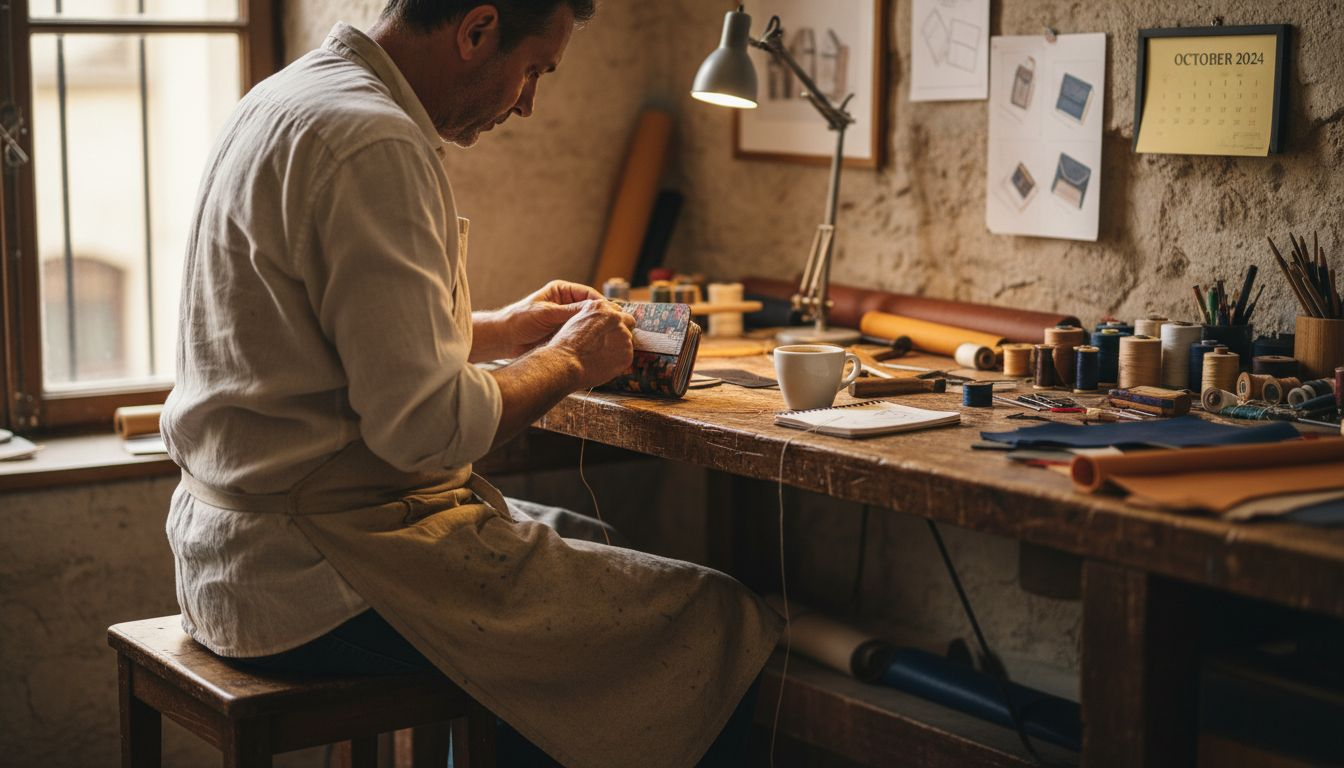
Niche brands focusing on artisan techniques often collaborate with traditional craftspeople to preserve endangered skills while creating contemporary luxury objects. This fusion of heritage methods with modern design sensibilities appeals to buyers seeking accessories with cultural narratives and ethical production stories.
The impact of emerging designers on luxury market dynamics extends beyond their own sales. Established brands frequently adopt innovations pioneered by independent creators, from sustainable materials to digital customization tools. Supporting emerging talent accelerates industry-wide evolution toward more creative and responsible luxury production.
Pro Tip: Explore customizable options offered by emerging designers to create standout accessories that reflect your unique style identity. Many independent brands provide personalization services at lower price points than heritage houses.
- Artisan collaborations preserve traditional craft techniques
- Cultural narratives add depth beyond aesthetic appeal
- Lower price points than established brands for similar quality
- Early access to tomorrow’s recognized design talent
Emerging designers satisfy the growing demand for luxury fashion that prioritizes innovation and individuality over recognizable logos. These brands represent fertile ground for discovering accessories that make authentic personal statements while supporting creative entrepreneurship.
Accessory trend insights for 2026
Understanding current design trends helps you evaluate whether brand collections align with contemporary aesthetics or maintain timeless appeal independent of seasonal shifts. Spring 2026 brings distinct directional changes in luxury accessory design.
Color blocking, sculptural shapes, and tactile finishes dominate runway presentations, favored by affluent buyers seeking pieces that mirror confidence and lasting style. These trends move away from logo-centric designs toward craftsmanship-driven aesthetics where construction techniques become primary visual statements.
The shift from conspicuous branding to subtle quality markers reflects maturing luxury consumer preferences. Discerning buyers now recognize value through material excellence, construction precision, and design innovation rather than surface-level brand identification. This evolution benefits brands emphasizing substance over status signaling.
- Bold color combinations replace neutral minimalism
- Architectural forms add sculptural dimension
- Textured leathers and mixed materials create tactile interest
- Oversized proportions make confident visual statements
- Hardware details serve as subtle brand signatures
Versatility and longevity emerge as valued design attributes. Accessories functioning across multiple occasions and seasons justify premium pricing through cost-per-wear calculations. Brands designing trend-resistant pieces that transcend temporary fashion cycles appeal to investment-minded buyers.
| Trend | Adoption Leaders | Style Impact |
|---|---|---|
| Color Blocking | Gucci, Valentino | Bold visual statements |
| Sculptural Forms | The Row, Bottega Veneta | Architectural elegance |
| Tactile Finishes | Hermès, Loewe | Craftsmanship showcase |
| Oversized Proportions | Balenciaga, Jacquemus | Confident presence |
| Minimal Hardware | Chanel, Celine | Timeless refinement |
These trends influence both established luxury houses and emerging designers, creating opportunities to find pieces reflecting current aesthetic movements while maintaining individual style integrity. Evaluate whether trending elements align with your long-term wardrobe vision or represent temporary experimentation.
Comparison of luxury brands: key metrics and rankings
Objective metrics help you assess brand performance across value, growth, innovation, and sustainability dimensions. This comparison table synthesizes data points critical for informed luxury accessory decisions.
| Brand | Brand Value | Growth Rate | Online Sales Surge | Exclusivity Mechanism | Sustainability Rating |
|---|---|---|---|---|---|
| Louis Vuitton | $111.9B | Steady | Moderate | Limited editions | Medium |
| Hermès | $85B+ | Stable | Low | Waiting lists, artisan production | High |
| Chanel | $60B+ | 45% | Strong | Boutique-only items | Medium |
| Gucci | $55B+ | Moderate | 70% | Digital exclusives | High |
| The Row | Private | Growing | Selective | Small-batch production | Very High |
This data reveals distinct strategic positions. Louis Vuitton’s $111.9 billion valuation reflects broad market appeal and consistent performance across categories. Chanel’s 45% growth rate signals strong momentum from creative reinvention while maintaining heritage codes. Gucci’s 70% online sales surge demonstrates digital leadership among traditional luxury players.
- Louis Vuitton leads in total brand value and market presence
- Chanel shows fastest growth through creative innovation
- Gucci dominates digital sales and younger demographics
- Hermès maintains premium positioning through scarcity
- The Row exemplifies sustainability without compromising luxury
Exclusivity mechanisms vary significantly between brands. Hermès employs traditional scarcity through artisan production limits, while Gucci creates digital-native exclusive releases. Understanding why designer brands matter helps you evaluate which exclusivity approach aligns with your values and purchasing preferences.
“Exclusivity practices directly correlate with long-term value retention. Accessories with documented scarcity through waiting lists or limited production maintain stronger secondary market pricing.”
Sustainability ratings reflect varying commitments to environmental and social responsibility. The Row’s very high rating stems from transparent supply chains and minimal-waste production. Gucci’s high rating acknowledges significant eco-conscious initiatives despite larger scale operations. These ratings matter increasingly to luxury consumers balancing indulgence with ethical consumption.
Use this comparison to identify brands matching your priorities. Value investors may favor Hermès’ proven appreciation potential. Trend-conscious buyers might choose Chanel’s creative momentum. Sustainability-focused consumers can confidently select The Row or Gucci’s eco-initiatives.
Situational recommendations: finding the right luxury brand for you
Matching your specific style intentions and occasions to ideal brands maximizes satisfaction and value from luxury accessory investments. This framework guides tailored selection based on common buyer scenarios.
-
Investment pieces for long-term value retention: Choose Hermès for proven appreciation potential through iconic bags like the Birkin or Kelly. These accessories often appreciate beyond inflation rates, functioning as wearable assets. Alternatively, select Louis Vuitton limited editions with documented scarcity for stable resale markets.
-
Bold statement pieces for creative expression: Explore Gucci’s maximalist designs or emerging designers offering avant-garde forms. These brands satisfy buyers seeking accessories that command attention and spark conversation through distinctive aesthetics rather than subtle branding.
-
Sustainability-focused luxury: The Row exemplifies ethical luxury through transparent sourcing and minimal environmental impact. Gucci’s eco-conscious initiatives provide sustainability at larger scale. Both options allow conscious consumption without compromising quality or design excellence.
-
Versatile essentials for multiple occasions: Chanel’s classic designs and The Row’s minimalist pieces transition seamlessly across formal and casual contexts. These must-have luxury fashion essentials justify premium pricing through exceptional cost-per-wear value.
-
Customization and personalization: Emerging designers and platforms offering 3D design tools enable unique accessories reflecting individual style identities. This approach suits buyers prioritizing originality over brand recognition.
Tailored luxury selections based on specific occasions increase satisfaction by aligning product uniqueness with fashion needs. Evening events may call for Chanel’s elegant refinement, while creative industry gatherings suit Gucci’s bold statements. Weekend luxury benefits from The Row’s understated sophistication.
Curated platform advantages simplify discovery by pre-filtering options matching quality standards and style criteria. This reduces decision fatigue while maintaining access to diverse brand perspectives from heritage houses to independent designers. Leveraging expert curation accelerates your path from browsing to confident purchasing.
Explore curated luxury accessories with Luxury Shoes
Navigating the luxury accessories landscape becomes simpler with expert curation matching your bold style intentions. Luxury Handbags specializes in assembling exclusive designer pieces from both established icons and emerging talents, applying the evaluation criteria outlined throughout this guide.
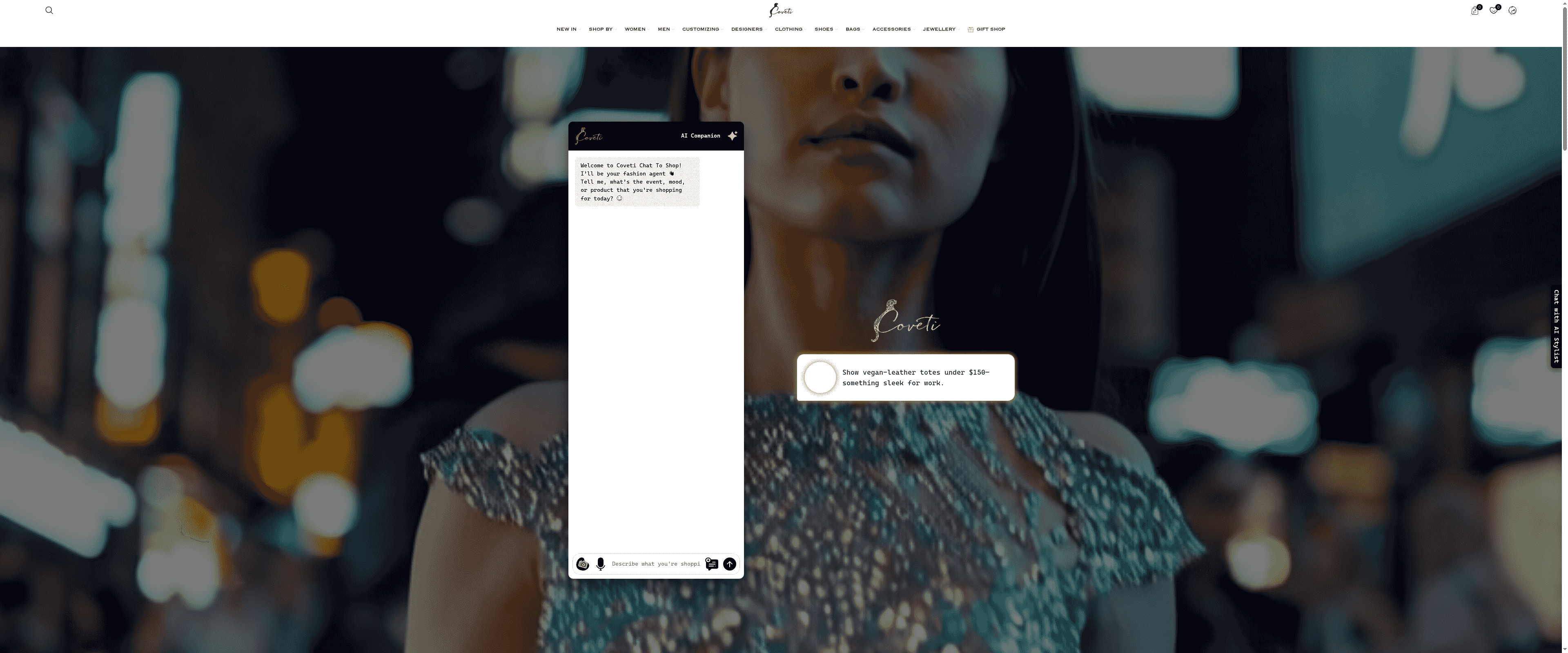
Our platform offers carefully selected accessories emphasizing what truly defines luxury: exceptional craftsmanship, limited availability, and innovative design. Interactive features including 3D visualization tools enable confident exploration of avant-garde pieces before purchase, reducing returns while increasing satisfaction.
Discover collections spanning timeless investment pieces and contemporary statement accessories. Our expert recommendations connect your style goals with brands offering genuine value, whether you prioritize heritage craftsmanship, sustainable production, or cutting-edge innovation. Explore essential luxury fashion pieces curated specifically for discerning buyers seeking bold, exclusive accessories that elevate any wardrobe.
FAQ
What defines a luxury accessory in 2026?
Luxury accessories combine exceptional craftsmanship, limited availability, and unique design with ethical sourcing practices. They embody both heritage quality standards and contemporary innovation, creating pieces valued for narrative depth beyond aesthetic appeal alone.
How can I identify authentic luxury brands for bold style statements?
Verify heritage through documented brand history, assess limited edition practices, and examine artisan quality indicators like hand-stitching or numbered production. Evaluate sustainability credentials and innovation commitments to confirm modern authenticity standards beyond surface-level branding.
Why should I consider emerging designers when buying luxury accessories?
Emerging designers provide fresh creativity and personalized styles unavailable from established brands. They offer individualistic expression through limited editions and customization options, allowing luxury buyers to access unique pieces before mainstream recognition drives prices higher.
How do sustainability and provenance affect luxury accessory value?
Sustainability reflects ethical production respecting environmental and social resources, increasingly valued by conscious luxury consumers. Provenance adds narrative depth through documented material sourcing and craftsmanship stories, assuring authenticity while creating emotional connections beyond purely aesthetic appreciation.
Recommended
Related Posts
The Best Gifts for Men in 2026: Independent Designer Picks

Why Independent Designer Gifts Land Differently
The Gift Categories Worth Exploring in 2026
Statement Outerwear
Bags and Accessories
Sh...
The Best Ganni Dresses to Buy
The Luxury Handbags edit of the best Ganni dresses, from printed and smock shapes to satin party pieces.
The Best Ganni Jeans: Stary, Audri and Every Cut
A guide to Ganni jeans cut by cut, from the Stary and Audri to the Betzy and baggy fits, with sizing help.
Ganni Sizing Guide: Does Ganni Run True to Size?
The full Ganni sizing guide, with a UK conversion chart, fit notes, and how the denim is sized.
Is Ganni Worth It? An Honest Buyer’s Guide
Is Ganni worth the money? An honest look at the quality, the price, and who the Copenhagen label actually suits.
Ce înseamnă timeless elegance: ghid complet 2026
Află ce înseamnă timeless elegance și cum poți construi o garderobă atemporală. Descoperă secretele unui stil vestimentar care nu se demodează!
Rol van schoenen bij galafeest: stijl en comfort
Ontdek de rol van schoenen bij galafeest. Maak een stijlvol en comfortabel statement met de juiste keuze voor elke gelegenheid.
Was bedeutet zeitlose Mode? Stil und Nachhaltigkeit
Entdecken Sie, was bedeutet zeitlose Mode. Erfahren Sie, wie Qualität und Stil zeitlose Kleidungsstücke prägen und warum sie eine kluge Investition sind.
Rol de las colecciones de edición limitada en moda
Descubre el rol de las colecciones de edición limitada en moda. Generan exclusividad, valor y tendencias que transforman marcas. Lee más aquí.
高级成衣工艺详解:时尚专业人士必读指南
探索高级成衣工艺详解,掌握144道工序与专业技艺,提升时尚素养,成为真正的时尚专业人士。
The Ganni Spring Summer 2026 Edit
The Luxury Handbags edit of Ganni Spring Summer 2026: leopard denim, the Stary jean, graphic tees, and weekend skirts.
Brands Like Ganni: 5 Labels to Know
Five brands like Ganni, all print-led contemporary names stocked at Luxury Shoes , from Stine Goya to Alemais.
 Gift shop