
[coveti_shop_v2]
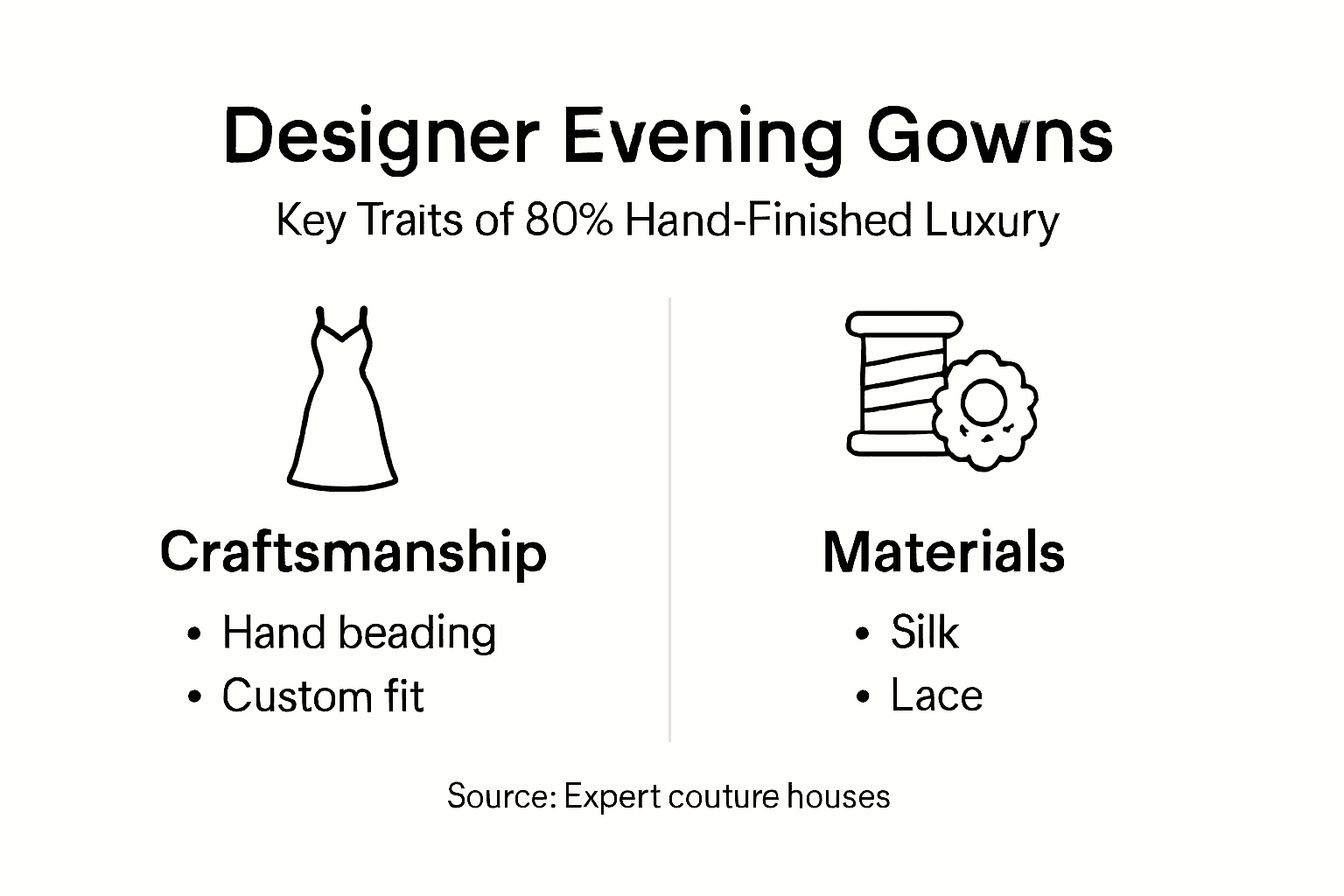
Picture this: up to 80% of a designer evening gown is meticulously hand-finished, reflecting unparalleled craftsmanship that mass-market dresses simply cannot replicate. Yet many affluent buyers remain confused about what truly distinguishes designer gowns from cheaper alternatives, often mistaking branding for genuine artistry. This guide cuts through the noise, explaining the unique attributes that define designer evening gowns and equipping you with a clear framework to select the perfect statement piece for your next exclusive event.
Table of Contents
- Understanding Designer Evening Gowns: Definition and Distinguishing Features
- Artisan Craftsmanship and Materials: The Heart of Designer Gowns
- Exclusivity, Brand Heritage, and Market Impact
- Bold, Fashion-Forward Trends in Designer Evening Gowns
- Common Misconceptions about Designer Evening Gowns
- Framework for Selecting Designer Evening Gowns for Upscale Events
- Conclusion: Embracing Designer Evening Gowns as Bold, Exclusive Fashion Statements
- Explore Exclusive Designer Fashion at Luxury Shoes
Key Takeaways
| Point | Details |
|---|---|
| Artisan craftsmanship defines quality | Designer gowns feature extensive hand-finishing, rare materials, and up to 300 hours of labor per piece. |
| Brand heritage drives premium pricing | Legacy brands with 50+ year histories command 30-70% higher prices due to cultural cachet and collector appeal. |
| Bold trends shape 2026 collections | Asymmetric cuts, laser-cut fabrics, and wearable tech dominate runway innovation. |
| Misconceptions cloud buyer decisions | Comfort, accessibility, and exclusivity are widely misunderstood by first-time luxury buyers. |
| A structured framework ensures smart choices | Evaluate heritage, materials, innovation, tailoring, and price to find your perfect gown. |
Understanding Designer Evening Gowns: Definition and Distinguishing Features
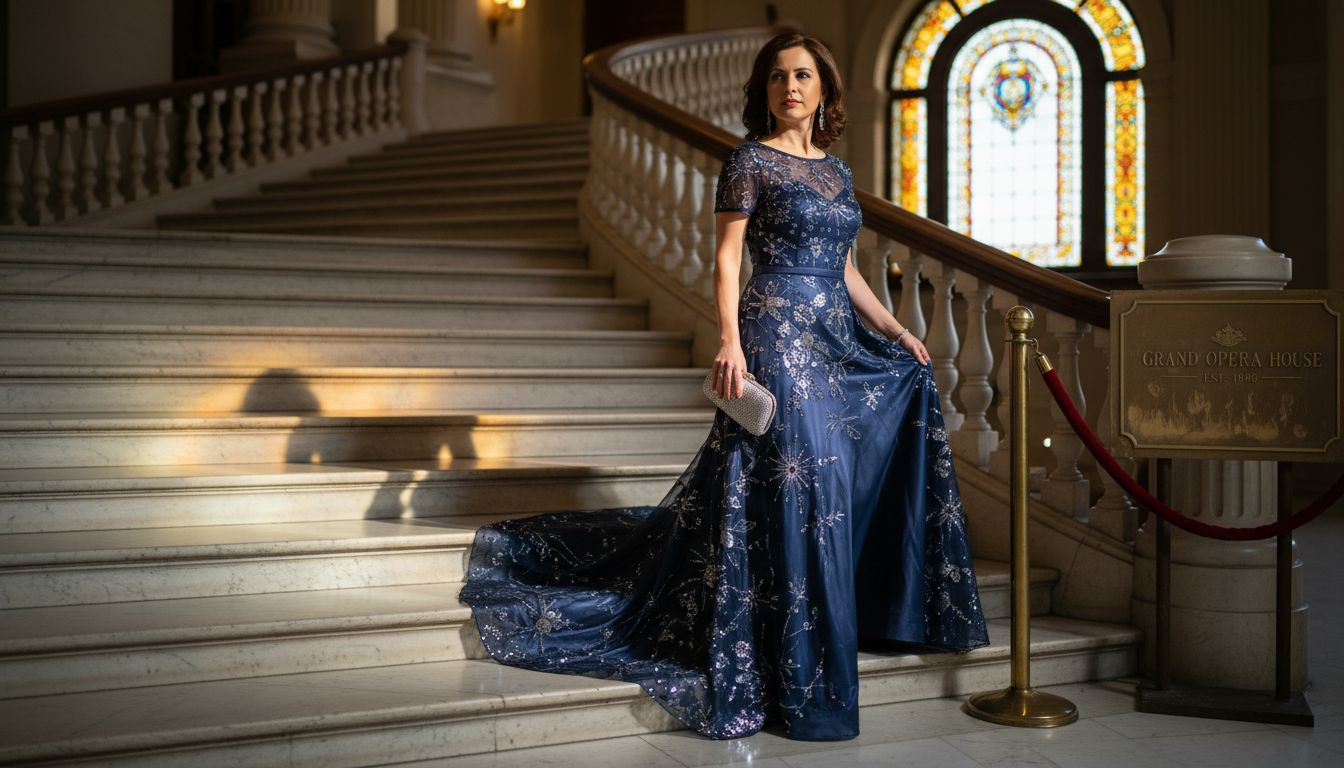
Designer evening gowns represent the pinnacle of fashion artistry, blending bespoke design with meticulous execution that sets them worlds apart from off-the-rack alternatives. These garments are defined by their hand-finished construction, often comprising 60-80% manual labor, which ensures each piece carries unique detailing impossible to replicate through industrial production. Unlike mass-market dresses churned out by automated machinery, designer gowns employ rare fabrics such as hand-dyed silks, Chantilly lace, and metallic thread blends that elevate both texture and visual impact.
The exclusivity inherent in designer gowns stems from limited production runs and customization options that cater to individual body shapes and style preferences. Renowned designers like Elie Saab, Zuhair Murad, and emerging talents such as Iris van Herpen have built reputations on creating bold, avant-garde pieces that challenge conventional aesthetics. Each gown embodies artistic expression, transforming fabric into wearable sculpture through complex techniques like laser-cutting, 3D appliqué, and hand-painted embellishments.
Many buyers mistakenly assume all designer labels produce similar quality or that high prices alone guarantee exclusivity. In reality, true designer gowns distinguish themselves through transparent craftsmanship, documented provenance, and design innovation that pushes fashion boundaries. Key differentiators include:
- Bespoke tailoring that adapts to individual measurements and comfort needs
- Rare material sourcing from specialized textile ateliers worldwide
- Artisan techniques passed through generations of skilled craftspeople
- Limited edition releases ensuring scarcity and collector value
- Documented design narratives explaining creative inspiration and construction methods
Understanding these core attributes helps you separate authentic designer pieces from mass-produced imitations marketed under luxury branding.
Artisan Craftsmanship and Materials: The Heart of Designer Gowns
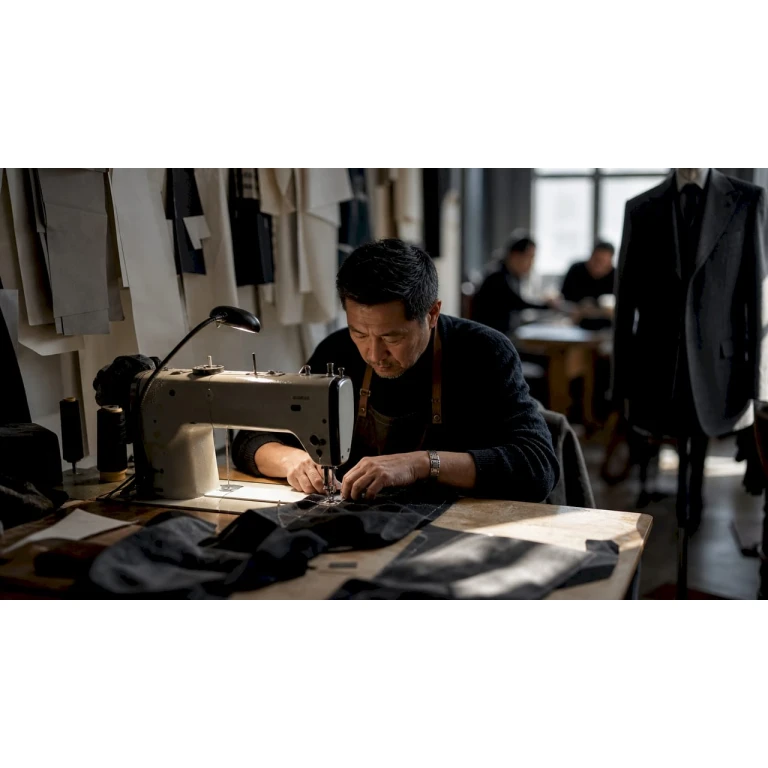
The soul of every designer evening gown lies in the painstaking manual labor that brings artistic vision to life. Hand embroidery alone can consume 40-300 hours per gown, with artisans meticulously placing thousands of beads, sequins, or thread loops to create intricate patterns and dimensional textures. This intensive process ensures no two gowns emerge identically, preserving the exclusivity affluent buyers seek when investing in statement pieces for high-profile events.
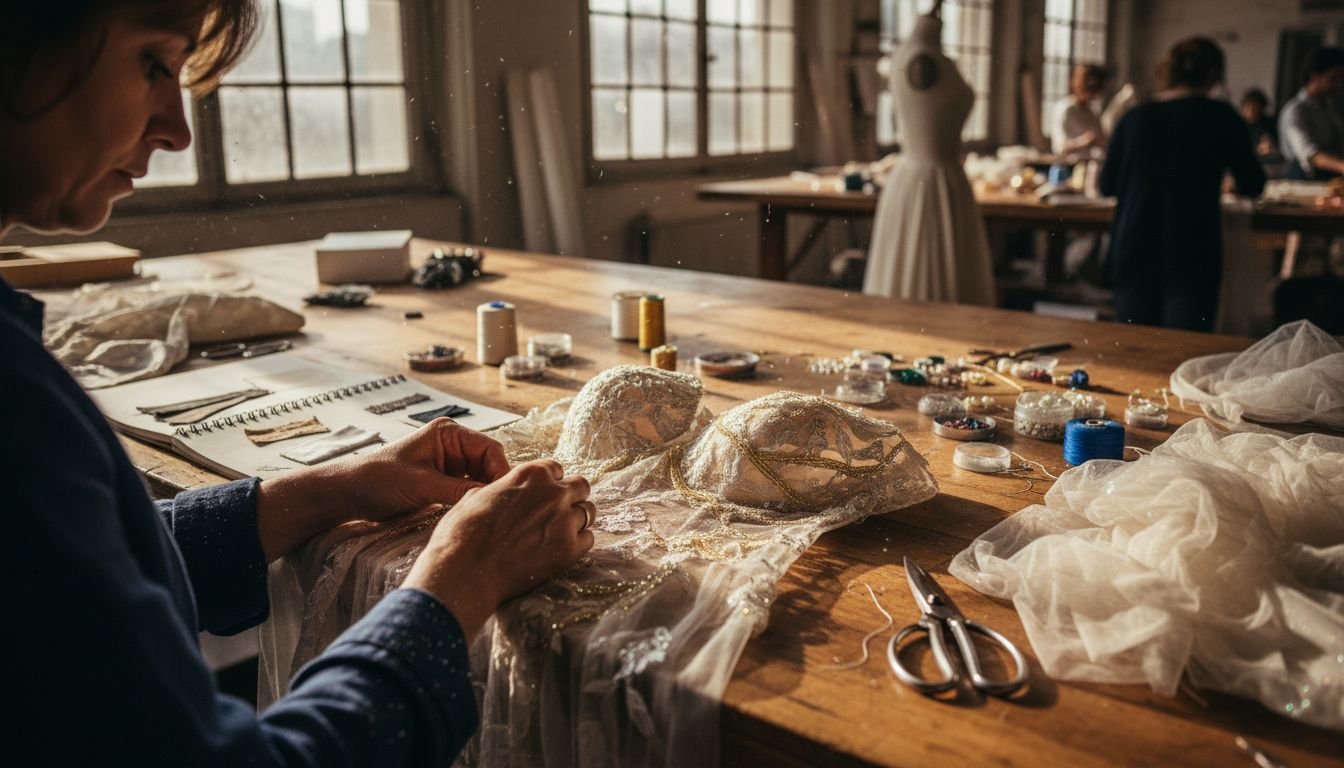
Beyond embroidery, designers employ techniques like 3D appliqué, where fabric flowers or geometric shapes are individually sculpted and attached to create depth and movement. Hand-painted details add personalized artistry, while complex draping methods require skilled pattern-makers to manipulate fabric into architectural silhouettes that flatter diverse body types. These labor-intensive approaches explain why authentic designer gowns command premium pricing, each hour of craftsmanship translating into tangible quality and uniqueness.
Material selection further amplifies exclusivity, with designers sourcing rare textiles that offer both aesthetic appeal and innovative functionality. Expect to find:
- Silk georgette and duchess satin hand-dyed in custom colorways unavailable to mass-market brands
- Metallic jacquards woven with real gold or silver threads for luminous finish
- Laser-cut organza creating intricate lace-like patterns through precision technology
- Wearable tech fabrics incorporating temperature regulation or moisture-wicking properties for all-day comfort
- Vintage lace sourced from estate sales and carefully restored for modern application
These materials not only enhance visual impact but also address practical concerns about comfort and wearability during extended events. The integration of luxury customization techniques ensures gowns balance beauty with functionality, dispelling myths that designer pieces sacrifice comfort for style.
Pro Tip: When evaluating designer gowns, request detailed information about construction methods and material origins. Visible artisan details like hand-stitched seams, individually placed embellishments, and custom-dyed fabrics confirm authenticity and justify investment value.
Exclusivity, Brand Heritage, and Market Impact
Brand heritage profoundly shapes both the perceived value and actual pricing of designer evening gowns, creating market stratification that rewards legacy and innovation differently. Established houses with 50+ year histories, such as Valentino or Oscar de la Renta, command 30-70% price premiums over emerging designers due to their cultural cachet, documented craftsmanship lineage, and collector appeal among fashion connoisseurs. These legacy brands benefit from decades of editorial coverage, celebrity endorsements, and museum exhibitions that cement their status as cultural institutions rather than mere fashion labels.
Exclusivity strategies further amplify desirability and pricing power. Limited edition runs, where designers produce only 10-50 pieces of a particular gown design globally, create scarcity that drives demand among affluent buyers seeking to avoid duplicate appearances at exclusive events. Bespoke tailoring services, which adapt runway designs to individual measurements and style preferences, add 50-200% premiums over ready-to-wear versions while ensuring perfect fit and personalized details that enhance wearer confidence.
Emerging designers disrupt traditional pricing models by offering competitive rates without sacrificing innovation or quality. Independent talents like those featured on exclusive designer fashion platforms introduce avant-garde aesthetics and experimental materials at accessible luxury price points, attracting buyers who prioritize bold design over brand name recognition. This market evolution democratizes access to unique designer pieces while maintaining exclusivity through limited production and distinctive creative vision.
| Attribute | Legacy Designer Gowns | Emerging Designer Gowns |
|---|---|---|
| Heritage | 50-100+ years established | 1-15 years in market |
| Price Range | $8,000-$50,000+ | $2,500-$12,000 |
| Production Volume | 10-100 pieces per design | 5-50 pieces per design |
| Innovation Level | Incremental, tradition-focused | Experimental, boundary-pushing |
| Customization | Full bespoke services available | Limited tailoring options |
| Resale Value | High collector demand | Emerging secondary market |
Understanding these market dynamics helps you align purchasing decisions with personal priorities, whether you value established prestige or cutting-edge innovation in your wardrobe investments.
Bold, Fashion-Forward Trends in Designer Evening Gowns
The 2026 runway landscape reveals a decisive shift toward asymmetric silhouettes and technological material innovation, with 50% of top designer collections featuring off-shoulder, one-sleeve, or diagonal hemline constructions that emphasize individuality over traditional symmetry. These architectural cuts allow designers to showcase fabric manipulation skills while creating visual interest that photographs dramatically at high-profile events. Asymmetry serves as both aesthetic statement and functional design, accommodating movement and personal style expression in ways conventional gown structures cannot.
Material innovation drives equally significant transformation, particularly through laser-cut fabrics appearing in 35% of new collections. This precision technology enables designers to create intricate lace-like patterns, geometric cutouts, and layered transparency effects impossible to achieve through traditional handwork alone. The marriage of digital fabrication with artisan finishing techniques produces hybrid garments that honor craftsmanship heritage while embracing contemporary aesthetics.
Metallic fabrics dominate color palettes, with liquid gold lamés, holographic silvers, and color-shifting iridescent textiles reflecting light in ways that command attention under evening lighting. These high-impact materials pair with unexpected texture combinations, such as pairing rigid boning with fluid chiffon overlays or contrasting matte velvet bodices with glossy satin skirts. Leading trends include:
- Sculptural necklines incorporating 3D-printed elements or molded leather accents
- Transparent paneling using mesh, tulle, or sheer organza for strategic reveal
- Exaggerated sleeves with dramatic volume or trailing length for movement
- Sustainable luxury materials like lab-grown silk or recycled metallic fibers
- Wearable tech integration providing temperature control or posture support
These innovations position designer gowns as functional art pieces rather than passive garments, reinforcing their role in helping affluent individuals make bold fashion statements that distinguish them within exclusive social circles.
Common Misconceptions about Designer Evening Gowns
Myths surrounding designer evening gowns often deter potential buyers or lead to disappointing purchases when reality contradicts expectations. Addressing these misconceptions directly empowers you to make informed decisions aligned with actual product attributes and market realities.
-
All designer gowns sacrifice comfort for aesthetics. Modern designers increasingly incorporate ergonomic tailoring, strategic boning placement, and breathable tech fabrics that provide all-day wearability without compromising visual impact. Internal corsetry, cushioned straps, and weighted hems ensure gowns stay properly positioned while allowing natural movement.
-
Designer gowns are uniformly prohibitively expensive. While legacy houses command premium pricing, emerging independent designers offer exceptional craftsmanship at accessible luxury price points starting around $2,500. Platform curation allows buyers to discover these talents without sacrificing quality or exclusivity.
-
Exclusivity derives solely from high prices. True exclusivity stems from limited production runs, bespoke customization, and distinctive design innovation rather than price tags alone. A $5,000 gown produced in editions of 20 pieces globally offers greater exclusivity than a $15,000 mass-produced luxury brand dress.
-
All designer labels maintain equivalent quality standards. Craftsmanship varies significantly across brands and price points, making due diligence essential. Construction details, material sourcing transparency, and artisan technique documentation separate authentic designer pieces from luxury-branded mass production.
-
Designer gowns require professional styling expertise. While editorial presentation suggests complexity, most designer gowns are engineered as complete statements requiring minimal accessorizing. Designers intentionally create balanced pieces that allow personal style expression through strategic jewelry or footwear choices.
Pro Tip: Before purchasing any designer gown, request detailed construction documentation including material certificates, production location information, and craftsmanship method descriptions. Reputable designers and retailers provide this transparency willingly, while evasive responses signal potential quality concerns.
Framework for Selecting Designer Evening Gowns for Upscale Events
Navigating the designer gown market requires structured evaluation to ensure your investment delivers both immediate impact and long-term satisfaction. This five-step framework guides you through critical decision points, balancing aesthetic preferences with practical considerations.
-
Research designer heritage and market positioning. Investigate brand history, creative director background, and editorial coverage to understand the cultural value and collector appeal your investment represents. Legacy brands offer proven resale value, while emerging designers provide innovation and competitive pricing.
-
Evaluate material quality and construction methods thoroughly. Request fabric composition details, examine hand-finishing quality, and verify artisan technique documentation. High-quality materials and transparent craftsmanship justify premium pricing and ensure longevity.
-
Assess design innovation and trend alignment. Determine whether the gown’s aesthetic reflects current runway directions or timeless elegance, depending on your wearing frequency and style evolution preferences. Bold, fashion-forward pieces make stronger statements but may date faster than classic silhouettes.
-
Prioritize bespoke tailoring and fit customization. Even minor alterations dramatically improve comfort and confidence, transforming good gowns into perfect ones. Invest in professional fitting services that adjust proportions, adjust necklines, and optimize hemlines for your body type and movement patterns.
-
Balance total investment against exclusivity and usage context. Calculate cost per wear based on event frequency, factor in alteration and storage expenses, and weigh exclusivity benefits against budget constraints. A perfectly fitted $4,000 gown from an emerging designer often delivers superior satisfaction compared to an ill-fitting $12,000 legacy piece.
| Evaluation Criteria | Importance Level | Assessment Method |
|---|---|---|
| Designer Heritage | High for resale value | Review brand history, editorial features, museum exhibitions |
| Material Quality | Critical for longevity | Request fabric certificates, examine hand-finishing, test drape |
| Construction Methods | Critical for authenticity | Verify artisan techniques, check seam quality, confirm hand-work percentage |
| Design Innovation | Medium to high | Compare to runway trends, assess uniqueness, evaluate timelessness |
| Customization Options | High for fit satisfaction | Confirm alteration services, verify bespoke tailoring availability |
| Price to Exclusivity Ratio | Medium | Calculate production volume, assess limited edition status, review pricing tiers |
Applying this framework systematically ensures your gown selection aligns with both immediate event needs and broader wardrobe strategy, maximizing the return on your luxury fashion investment. Resources like eveningwear selection guides provide additional context for matching gown attributes to specific event formats and social contexts.
Conclusion: Embracing Designer Evening Gowns as Bold, Exclusive Fashion Statements
Designer evening gowns represent far more than garments; they embody artistic vision, cultural heritage, and personal identity expressed through wearable art. The intensive craftsmanship, innovative materials, and limited production that define authentic designer pieces justify their premium positioning while delivering exclusivity mass-market alternatives cannot replicate. Understanding the distinctions between legacy prestige and emerging innovation empowers you to select gowns that authentically reflect your style priorities and social aspirations.
Your choice of designer gown signals discernment, confidence, and appreciation for fashion as cultural expression rather than mere clothing. Whether you gravitate toward established houses offering proven collector value or independent designers pushing aesthetic boundaries, the investment affirms your commitment to individuality and quality. Embrace bold designs that challenge convention and reflect your unique perspective, knowing that true luxury lies in pieces crafted with integrity, worn with confidence, and treasured for their irreplaceable artistry.
Explore Exclusive Designer Fashion at Luxury Shoes
Ready to discover gowns that transform your next exclusive event into an unforgettable fashion moment? Luxury Handbags curates exceptional designer pieces from both celebrated legacy houses and innovative independent talents, offering the exclusivity and craftsmanship discerning buyers demand. Our platform connects you with expert guides explaining why designer brands matter, helping you navigate choices with confidence.
Explore collections featuring the essential luxury fashion pieces that complete your wardrobe, from statement gowns to complementary accessories. Our luxury accessory guides ensure every element of your ensemble reflects the same commitment to quality and individuality. Browse now to elevate your style with pieces as unique as your personal vision.
FAQ
What are designer evening gowns made of?
Designer gowns typically incorporate rare, high-quality fabrics including hand-dyed silk, satin, Chantilly lace, metallic thread blends, and increasingly, advanced textiles with wearable technology features. Materials are hand-selected for their luxury aesthetic, comfort properties, and innovative potential. Hand embroidery, beadwork, and 3D appliqué further enhance textile value, transforming base fabrics into dimensional artworks that justify premium pricing.
How does brand heritage affect the price of designer evening gowns?
Established brands with 50+ year histories command 30-70% price premiums over emerging designers due to cultural cachet, documented craftsmanship lineage, and strong collector demand in secondary markets. Heritage assures consistency in quality standards and provides provenance that enhances investment value. Emerging designers offer competitive pricing but less established resale markets, appealing to buyers who prioritize innovation over legacy prestige.
What should I consider when choosing a designer evening gown for an exclusive event?
Prioritize bespoke tailoring and perfect fit to ensure all-day comfort and confident movement throughout your event. Evaluate designer exclusivity, production volume, and heritage to confirm the gown delivers appropriate status signaling for your social context. Consider design innovation, material quality, and aesthetic boldness to express personal style authentically while balancing total investment against your usage frequency and wardrobe strategy.
Are all designer evening gowns uncomfortable to wear?
No, this common misconception ignores significant advances in ergonomic tailoring and wearable technology integration. Modern designers engineer gowns with strategic boning placement, breathable tech fabrics, cushioned construction, and weighted hems that provide structure without restricting movement. Many luxury gowns now incorporate temperature-regulating materials and moisture-wicking properties that enhance comfort during extended wear at multi-hour events.
How can I verify a designer gown’s authenticity and craftsmanship quality?
Request detailed construction documentation including fabric composition certificates, production location information, and descriptions of artisan techniques employed. Examine hand-finishing quality by inspecting seam work, embellishment attachment methods, and lining construction. Reputable designers and retailers provide this transparency readily, while evasive responses or inability to document craftsmanship methods signal potential authenticity concerns warranting further investigation before purchase.
Recommended
Related Posts

The Best Gifts for Men in 2026: Independent Designer Picks

Why Independent Designer Gifts Land Differently
The Gift Categories Worth Exploring in 2026
Statement Outerwear
Bags and Accessories
Sh...
The Best Ganni Dresses to Buy
The Luxury Handbags edit of the best Ganni dresses, from printed and smock shapes to satin party pieces.
The Best Ganni Jeans: Stary, Audri and Every Cut
A guide to Ganni jeans cut by cut, from the Stary and Audri to the Betzy and baggy fits, with sizing help.
Ganni Sizing Guide: Does Ganni Run True to Size?
The full Ganni sizing guide, with a UK conversion chart, fit notes, and how the denim is sized.
Is Ganni Worth It? An Honest Buyer’s Guide
Is Ganni worth the money? An honest look at the quality, the price, and who the Copenhagen label actually suits.
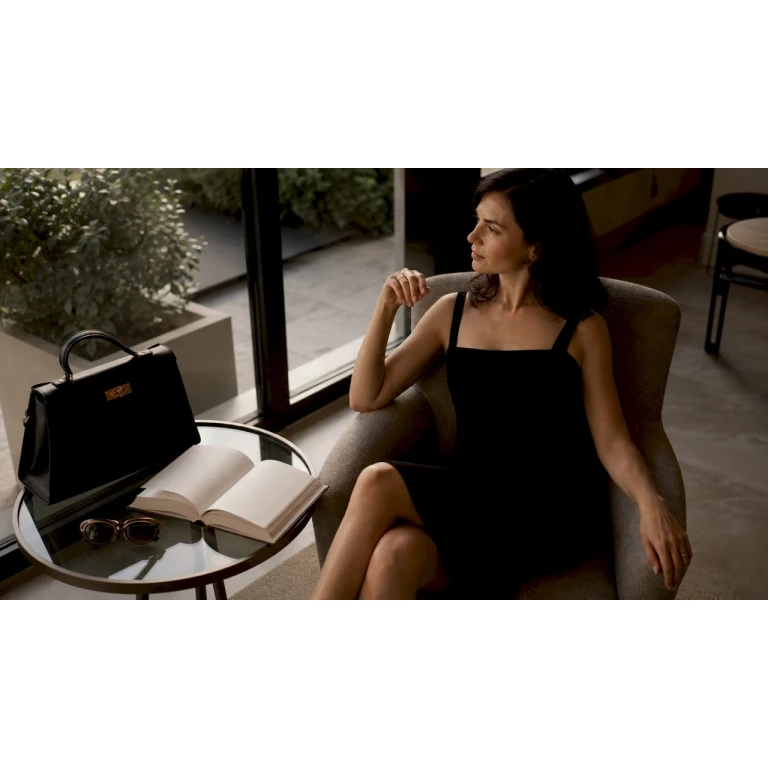
Ce înseamnă timeless elegance: ghid complet 2026
Află ce înseamnă timeless elegance și cum poți construi o garderobă atemporală. Descoperă secretele unui stil vestimentar care nu se demodează!
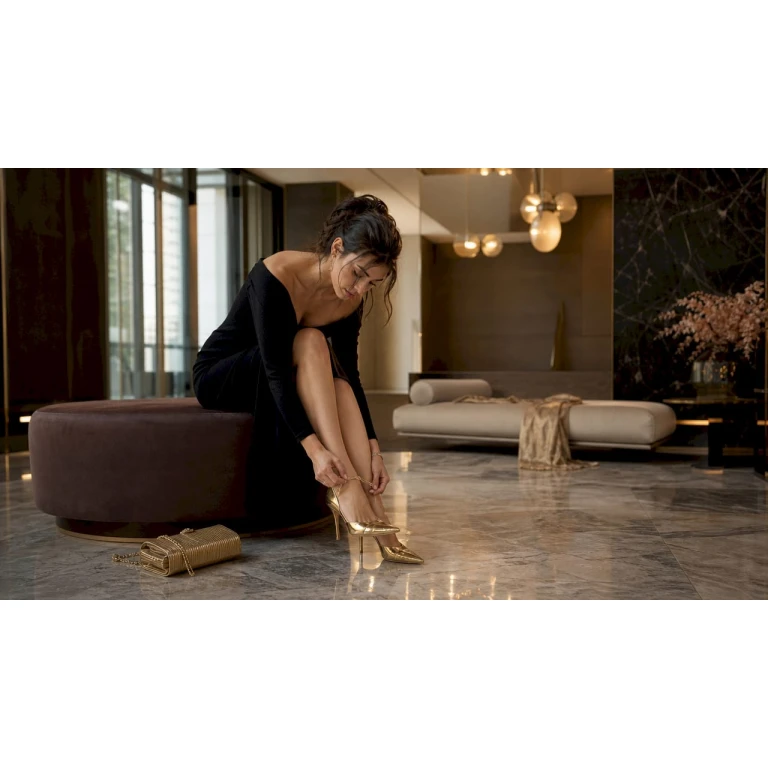
Rol van schoenen bij galafeest: stijl en comfort
Ontdek de rol van schoenen bij galafeest. Maak een stijlvol en comfortabel statement met de juiste keuze voor elke gelegenheid.

Was bedeutet zeitlose Mode? Stil und Nachhaltigkeit
Entdecken Sie, was bedeutet zeitlose Mode. Erfahren Sie, wie Qualität und Stil zeitlose Kleidungsstücke prägen und warum sie eine kluge Investition sind.
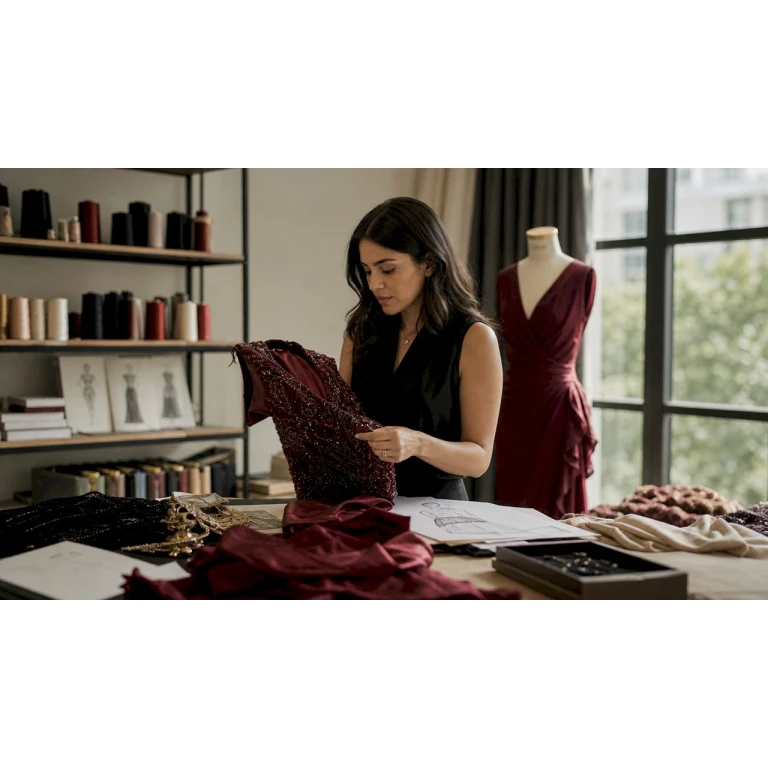
Rol de las colecciones de edición limitada en moda
Descubre el rol de las colecciones de edición limitada en moda. Generan exclusividad, valor y tendencias que transforman marcas. Lee más aquí.
高级成衣工艺详解:时尚专业人士必读指南
探索高级成衣工艺详解,掌握144道工序与专业技艺,提升时尚素养,成为真正的时尚专业人士。
The Ganni Spring Summer 2026 Edit
The Luxury Handbags edit of Ganni Spring Summer 2026: leopard denim, the Stary jean, graphic tees, and weekend skirts.
Brands Like Ganni: 5 Labels to Know
Five brands like Ganni, all print-led contemporary names stocked at Luxury Shoes , from Stine Goya to Alemais.
 Gift shop