


Certain designer bags have delivered remarkable resale returns, with models like the Mini Kelly reaching 285% of their original retail price and The Row Margaux appreciating 92% in recent years. While these figures capture attention, the reality of investing in luxury handbags involves nuanced considerations beyond headline numbers. This guide examines the genuine financial potential of designer bags, explores the critical risks that many overlooks, and provides expert strategies to help you make informed decisions that balance investment returns with personal enjoyment of these exclusive accessories.
Table of Contents
- The Rise Of Designer Bags As Alternative Investments
- Understanding The Risks And Nuances Of Handbag Investing
- Expert Strategies To Maximize Designer Bag Investment Value
- Weighing Designer Bags Against Traditional Investments
- Explore Luxury Accessory Investments With Luxury Shoes
- Frequently Asked Questions
Key takeaways
| Point | Details |
|---|---|
| Designer bags can appreciate significantly | Select models from brands like Hermès show strong resale performance when properly maintained and authenticated. |
| Multiple risks require careful management | Condition sensitivity, counterfeit prevalence, market illiquidity, and economic volatility affect investment outcomes. |
| Financial experts urge caution | Planners recommend treating bags as lifestyle purchases rather than primary retirement investments due to lack of dividends. |
| Authentication and storage are critical | Independent verification and proper flat storage with stuffing preserve value and prevent costly depreciation. |
| Personal enjoyment enhances value | Using and appreciating your bag as a luxury item makes the investment more worthwhile regardless of resale performance. |
The rise of designer bags as alternative investments
The luxury handbag market has experienced explosive growth, reaching $35.8 billion in 2025 with projections to hit $60 billion by 2034. This expansion reflects growing consumer interest in tangible luxury assets that combine personal enjoyment with potential financial returns. Unlike stocks or bonds, designer bags offer the unique advantage of being worn and appreciated while potentially increasing in value.
Specific models demonstrate impressive financial performance. The Hermès Mini Kelly commands approximately 285% of its manufacturer’s suggested retail price on resale markets, while the Birkin Sellier maintains around 250% value retention. These figures rival or exceed returns from traditional investment vehicles over comparable periods. The Row Margaux has shown 92% appreciation, proving that investment potential extends beyond the most established luxury houses.
However, Birkin bags have exhibited cyclicality, with notable slowdowns occurring in 2025 despite their historical resilience during economic crises. This pattern reveals that even the most coveted bags experience market fluctuations influenced by broader economic conditions, brand strategy changes, and shifting consumer preferences. Understanding these cycles helps investors time purchases and sales more strategically.
Top performing designer bags by resale value:
| Bag Model | Brand | Resale Performance | Key Factor |
|---|---|---|---|
| Mini Kelly | Hermès | 285% of MSRP | Extreme scarcity and waitlists |
| Birkin Sellier | Hermès | 250% retention | Iconic status and craftsmanship |
| Margaux | The Row | 92% appreciation | Contemporary luxury appeal |
| Classic Flap | Chanel | Variable, strong for vintage | Timeless design and brand heritage |
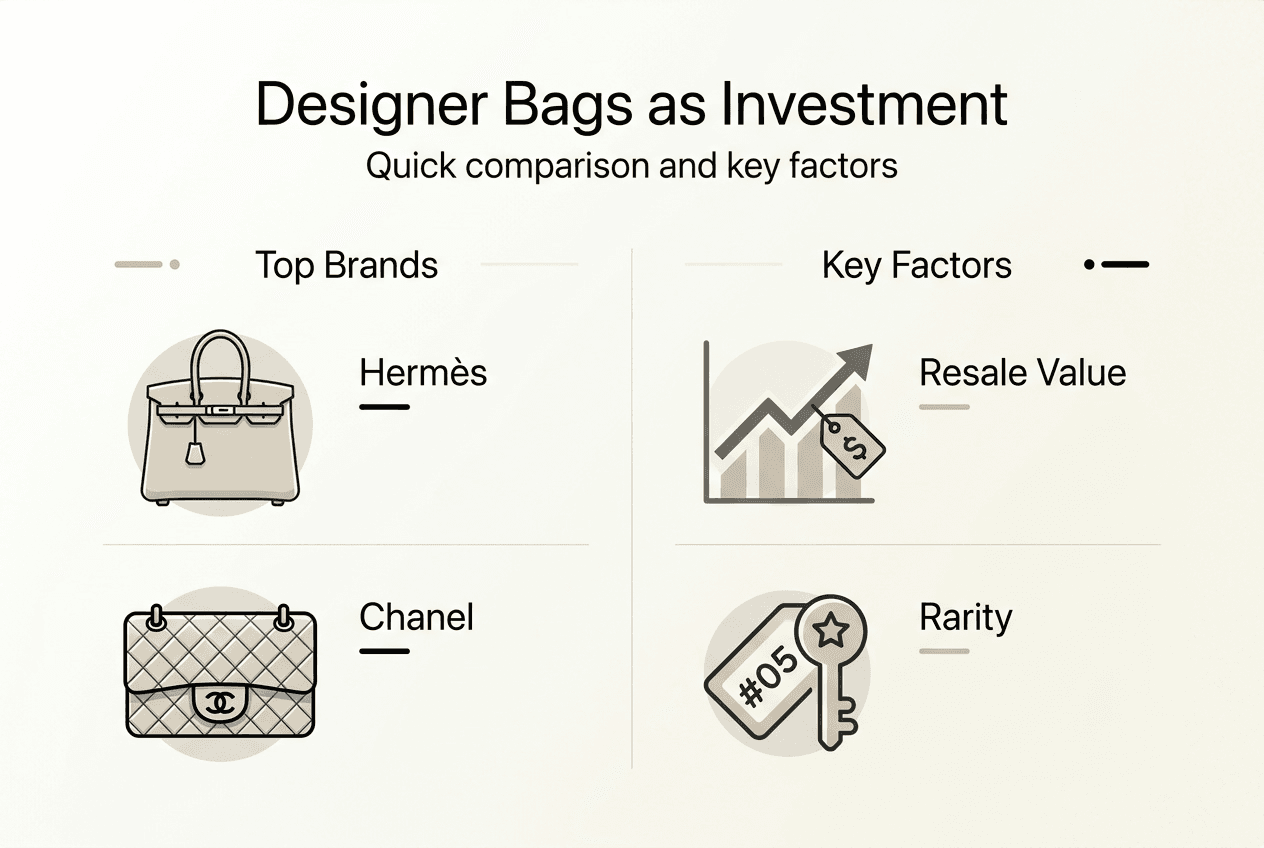
Not every designer bag appreciates in value. Selection bias creates misleading perceptions when only success stories receive attention. Many luxury bags depreciate significantly once purchased, particularly those from brands with less established resale markets or styles that fall out of fashion. Investment potential correlates strongly with brand heritage, production exclusivity, and timeless design rather than simply carrying a luxury label.
The craftsmanship and materials used in essential designer bag styles contribute to their investment appeal. Hand-stitched construction, exotic leathers, and limited production runs create inherent scarcity that supports long-term value. These factors distinguish investment-grade bags from mass-produced luxury items that flood secondary markets.
Understanding the risks and nuances of handbag investing
Condition dramatically impacts resale value, with wear potentially reducing prices by $5,000 to $20,000 compared to pristine examples. Minor scratches, corner wear, or hardware tarnishing that seem insignificant to owners can substantially decrease what buyers will pay. Personalization through monogramming or custom modifications typically destroys investment value entirely, as most buyers seek original, unaltered pieces.
The luxury handbag market suffers from significant illiquidity compared to traditional investments. Selling a designer bag can take months, requiring patience to find the right buyer willing to pay fair market value. Unlike stocks that trade instantly, handbags demand active marketing, authentication verification, and often consignment arrangements that delay payment. This illiquidity makes bags unsuitable for investors who might need quick access to capital.
Counterfeit bags proliferate across all price points and sales channels, creating authentication challenges that deter potential buyers and complicate resale transactions. Even experienced collectors sometimes struggle to identify sophisticated fakes, necessitating expensive third-party verification services. The prevalence of counterfeits has made authentication a mandatory step that adds cost and time to every transaction.
Critical risk factors for handbag investors:
- Market volatility tied to brand reputation changes, celebrity endorsements, and economic conditions
- Storage requirements including climate control, proper stuffing, and dust bag protection
- Insurance costs for high-value pieces that may not be covered under standard homeowner policies
- Transaction fees from authentication services, consignment platforms, and auction houses
- Style obsolescence as fashion trends shift away from certain silhouettes or hardware finishes
Financial planners caution that treating handbags as retirement investments represents a disservice to long-term financial security. Bags generate no dividends, require ongoing maintenance costs, and exhibit volatility that makes them speculative assets rather than reliable wealth builders. Advisors recommend prioritizing traditional savings vehicles and stock portfolios for retirement planning.
The post-COVID luxury market correction revealed how quickly handbag values can decline when economic conditions shift. Bags that seemed like guaranteed appreciating assets experienced price drops as discretionary spending contracted and resale markets became saturated with sellers. This correction demonstrated that handbags remain luxury goods subject to economic cycles rather than inflation-proof stores of value.
Pro Tip: Never purchase a designer bag solely for investment purposes without genuine appreciation for the piece itself. The best outcomes occur when you would be satisfied owning and using the bag even if resale value disappoints.
Understanding the luxury fashion shopping process helps investors avoid common pitfalls that erode value. Impulse purchases driven by hype rather than careful research typically underperform. Successful handbag investors treat acquisitions with the same diligence applied to other significant financial decisions.
Expert strategies to maximize designer bag investment value
Experts recommend allocating 70-80% of handbag budgets toward Tier 1 brands and proven styles with established resale markets. Hermès, Chanel, and Louis Vuitton classic models offer the most reliable appreciation potential and liquidity. The remaining 20-30% can explore emerging designers or contemporary brands, accepting higher risk for potentially greater returns if these labels gain prestige.
Authentication through independent third-party services protects investors from costly mistakes. Never rely solely on seller claims or original receipts, as sophisticated counterfeiters replicate documentation alongside fake bags. Professional authenticators examine construction details, materials, and hardware that casual buyers miss. This verification adds upfront cost but prevents far larger losses from purchasing counterfeits.
Five-step authentication process:
- Verify seller reputation through reviews, transaction history, and platform guarantees
- Request detailed photographs showing hardware stamps, interior labels, and stitching quality
- Compare serial numbers against brand databases when available
- Engage professional authentication services before finalizing purchases
- Obtain written authenticity guarantees that allow returns if verification fails
Proper storage preserves condition and maximizes resale value over time. Store bags flat rather than hanging to prevent strap stress and shape distortion. Stuff interiors with acid-free tissue paper to maintain structure without causing creasing. Keep bags in original dust covers within climate-controlled spaces away from direct sunlight that fades colors and dries leather.
Regular professional servicing extends bag longevity and value retention. Annual conditioning treatments keep leather supple and prevent cracking. Hardware polishing removes tarnish before it becomes permanent. Corner reinforcement addresses wear before it progresses to damage requiring expensive restoration. These preventive measures cost far less than repairs needed when maintenance is neglected.
Reselling through reputable auction houses like Sotheby’s enhances both liquidity and final sale prices. Established platforms attract serious buyers willing to pay premium prices for authenticated pieces. Auction formats create competitive bidding that can drive prices above private sale levels. The credibility these institutions provide justifies their commission fees through higher net proceeds.
Pro Tip: Document your bag’s condition with professional photographs immediately after purchase and annually thereafter. This visual history proves careful ownership and supports premium pricing when you eventually sell.
Following a luxury fashion checklist ensures you consider all factors affecting long-term value before committing to a purchase. Rushed decisions driven by scarcity pressure often lead to regret when the bag doesn’t integrate well with your wardrobe or lifestyle.
Weighing designer bags against traditional investments
Designer bags generate no dividends or interest, unlike stocks and bonds that provide regular income streams. Holding costs including insurance, storage, and maintenance reduce net returns compared to passive investments. These ongoing expenses accumulate over years, substantially impacting total return calculations that initially seem attractive based solely on appreciation.
Financial planners view handbags as speculative assets unsuitable for retirement security. Stock market investments offer superior liquidity, diversification, and historical returns with lower transaction costs. Savings accounts and bonds provide stability and guaranteed returns that luxury goods cannot match. The volatility and illiquidity of handbags make them inappropriate for investors depending on assets for income or near-term financial goals.
Investment comparison:
| Factor | Designer Bags | Stock Portfolio | Savings Account |
|---|---|---|---|
| Liquidity | Low (months to sell) | High (instant trading) | Immediate |
| Dividends/Interest | None | Yes (typically 2-4%) | Yes (variable rates) |
| Volatility | High | Moderate | Minimal |
| Holding Costs | Insurance, storage, maintenance | Management fees only | None |
| Enjoyment Value | High (personal use) | None | None |
Bags can serve as secondary lifestyle investments when you genuinely enjoy using them. This personal utility provides value beyond financial returns, making the investment worthwhile even if appreciation disappoints. The ability to wear and appreciate your investment distinguishes handbags from purely financial assets, offering psychological benefits that enhance overall satisfaction.
Investors should never rely on handbags for retirement security or essential financial goals. Treat luxury bag purchases as discretionary spending that might appreciate rather than core portfolio holdings. This mindset prevents financial hardship if resale values decline or selling proves difficult when you need liquidity.
Including designer bags within a diversified lifestyle strategy balances enjoyment with financial prudence. Allocate only discretionary funds you could afford to lose entirely toward handbag investments. Maintain robust traditional portfolios for retirement, emergency funds, and major life goals. This approach lets you participate in the luxury resale market without jeopardizing financial security.
Balanced portfolio approach:
- 80-90% in traditional investments (stocks, bonds, retirement accounts, real estate)
- 5-10% in alternative assets including luxury goods, art, or collectibles
- 5-10% in liquid emergency reserves
- Luxury purchases funded only from discretionary income after meeting savings goals
Understanding why choose designer brands helps you make informed decisions that align investment potential with personal style preferences. The most successful handbag investors purchase pieces they genuinely love, ensuring satisfaction regardless of market performance.
Explore luxury accessory investments with Luxury Shoes
Discover curated collections of exclusive luxury accessories for 2026 featuring both established houses and emerging independent designers. These carefully selected pieces combine investment potential with distinctive style that sets you apart from mainstream luxury consumers. Each item represents the craftsmanship and exclusivity that drive long-term value in the secondary market.
Learn what defines a luxury accessory beyond brand names and price tags. Understanding the materials, construction techniques, and design heritage that create genuine luxury helps you identify pieces with lasting appeal and investment potential. This knowledge empowers smarter purchasing decisions that balance style with financial considerations.
Expert guides on why choose designer brands clarify how brand positioning, heritage, and market perception affect resale values. These resources help you navigate the complex luxury landscape to find pieces that align with both your aesthetic preferences and investment goals.
Frequently asked questions
Are designer bags truly good investments?
Designer bags can appreciate significantly when you select proven models from prestigious brands and maintain them meticulously. However, they lack the liquidity, dividends, and reliability of traditional investments like stocks or bonds. Financial advisors recommend treating bags as lifestyle purchases that might appreciate rather than core portfolio holdings for retirement security.
How does bag condition affect resale value?
Condition drastically impacts what buyers will pay, with wear potentially reducing value by $5,000 to $20,000 compared to pristine examples. Minor scratches, corner scuffs, or hardware tarnishing significantly decrease resale prices. Proper flat storage with acid-free stuffing and regular professional conditioning preserve condition and maximize value retention over time.
What are the best ways to authenticate a designer bag?
Use professional third-party authentication services rather than relying on seller claims or original receipts. Verify provenance through detailed photographs showing hardware stamps, stitching quality, and interior labels. Compare serial numbers against brand databases when available and obtain written authenticity guarantees that allow returns if independent verification reveals issues.
Can designer bags replace stocks or savings in a portfolio?
No, bags lack the dividends, liquidity, and stability that stocks and savings provide for retirement planning. They work best as secondary lifestyle investments funded from discretionary income after meeting traditional savings goals. Financial planners caution against depending on handbags for essential financial security due to their volatility, holding costs, and illiquidity compared to conventional assets.
Which designer bag brands offer the best investment potential?
Hermès, particularly Birkin and Kelly models, demonstrates the strongest resale performance and market stability. Chanel Classic Flaps and select Louis Vuitton pieces also maintain value well. Emerging brands like The Row show promise but carry higher risk. Experts recommend allocating 70-80% of handbag budgets toward established Tier 1 brands with proven secondary markets.
Recommended
Related Posts
Trend accessori particolari 2026: guida per il lusso
Scopri il trend accessori particolari 2026 e trasforma il tuo stile. Segui la nostra guida per scegliere gli accessori di lusso giusti!

Rolul designerilor emergenți în moda de lux 2026
Descoperă cum rolul designerilor emergenți redefinește moda de lux în 2026. Creează-ți cariera în acest domeniu fascinant!

Role das plataformas online na moda: guia de luxo
Descubra o role das plataformas online na moda de luxo. Leia análises e tendências que transformam o setor e abrem novas oportunidades.
Qué es la moda editorial: guía para amantes de la moda
Descubre qué es la moda editorial y su impacto en las tendencias. Esta guía revela su poder en la industria. ¡Explora más aquí!
Was sind Trendaccessoires 2026? Luxus-Guide
Entdecke, was sind Trendaccessoires 2026! Finde heraus, wie diese Luxusstücke dein Styling transformieren und Looks definieren.
个性晚礼服优点解析:追求独特时尚女性的高端选择指南
探索个性晚礼服优点,让您在每场盛宴中独树一帜。这是您高端时尚的独特选择指南!
Гид по выбору обуви на мероприятие: советы стилиста
Откройте для себя гид по выбору обуви на мероприятие. Узнайте, как выбрать стильную и удобную обувь для любого события!
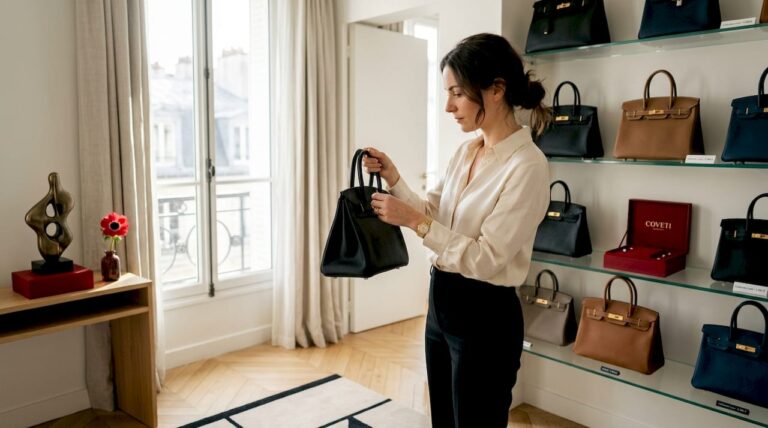
Comment choisir un sac de luxe : guide complet 2026
Découvrez comment choisir un sac de luxe avec notre guide complet 2026. Apprenez à éviter les contrefaçons et trouvez le modèle parfait!
Top 4 coveteurcollection.com alternatives 2026
Ontdek de 4 beste coveteurcollection.com alternatieven en vergelijk luxe modeplatforms om de beste keuze te maken voor unieke modeaccessoires.

Топ 5 fashionhistory.fitnyc.edu alternatives 2026
Сравните 5 fashionhistory.fitnyc.edu alternatives и выберите лучший ресурс для изучения истории моды и актуальных тенденций.
Come valorizzare un abito da festa con stile e lusso
Scopri come valorizzare un abito da festa con stile e lusso! Segui la nostra guida e fai risaltare il tuo look unico in ogni occasione.

Wat is een onafhankelijke designer? Luxe mode uitgelegd
Ontdek wat een onafhankelijke designer is en hoe zij luxe mode uniek maken. Leer hoe je exclusieve ontwerpen vindt voor speciale gelegenheden!
 Gift shop