

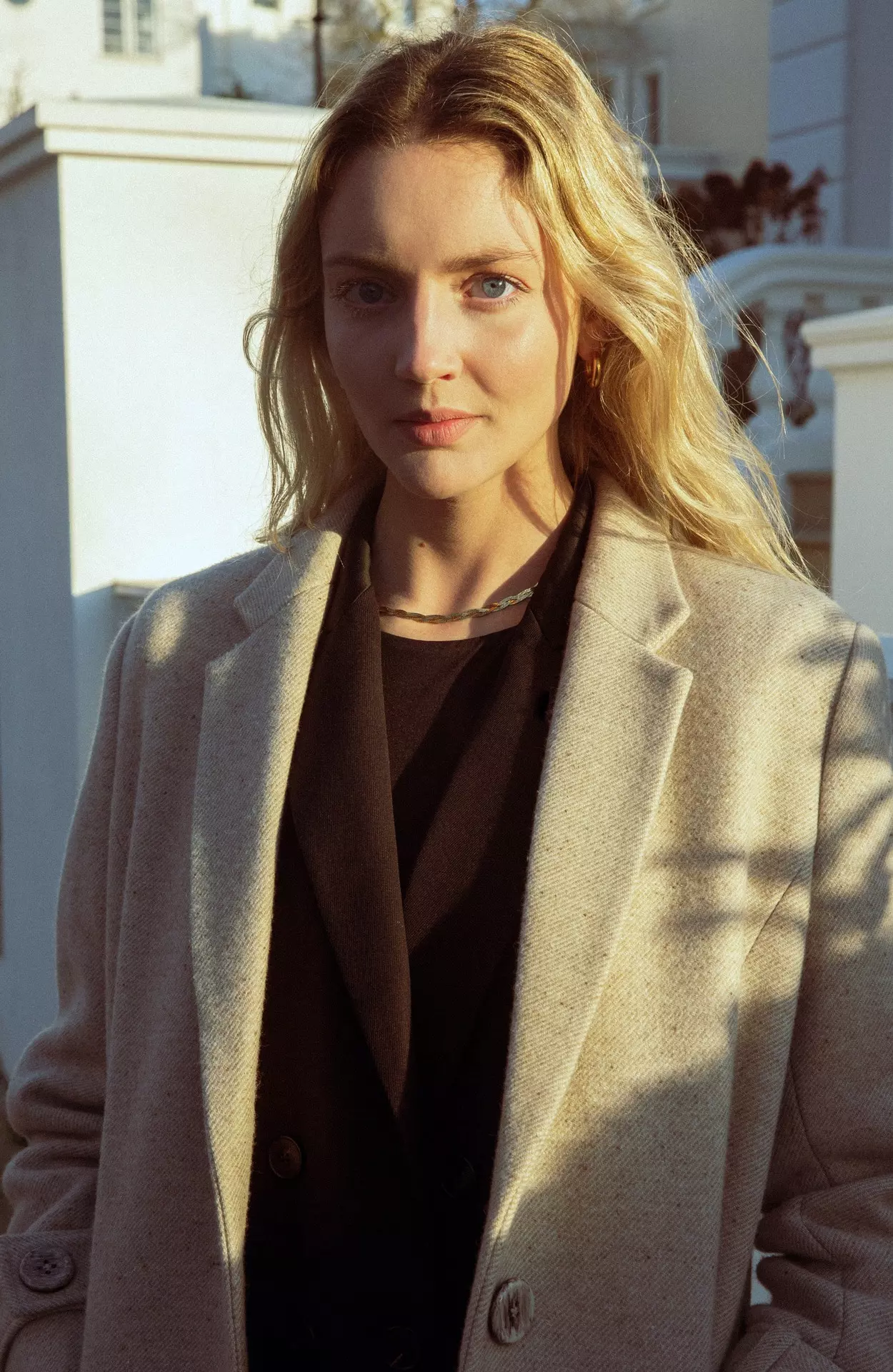
Luxury fashion once lived exclusively in physical boutiques, where touch and presence defined prestige. Today, artificial intelligence curates collections, virtual showrooms host global audiences, and NFTs authenticate ownership in ways traditional certificates never could. Digital innovation now drives how designers create, how brands engage customers, and how you discover exclusive pieces. This guide explores the transformative digital trends reshaping luxury fashion and your shopping experience in 2026.
Table of Contents
- The Digital Revolution Transforming Luxury Fashion
- Meeting The Digital-Native Luxury Consumer
- Innovations In Personalization And Product Engagement
- Seamless Omnichannel Luxury Shopping Experiences
- Discover Exclusive Luxury Accessories And Style Guides
Key takeaways
| Point | Details |
|---|---|
| Digital innovation redefines luxury experiences | AI and immersive technologies transform how brands create emotional connections and showcase collections |
| Younger generations drive market evolution | Millennials and Gen Z expect seamless mobile experiences and authentic digital engagement from luxury brands |
| Personalization reaches new heights | Digital twins, NFTs, and advanced configurators enable unprecedented product customization and engagement |
| Omnichannel integration boosts sales | Cross-channel technology increases luxury purchases by over 50% through unified shopping experiences |
| Sustainability meets digital ownership | NFTs and digital products strengthen purchase intent by emphasizing environmental responsibility |
The digital revolution transforming luxury fashion
Luxury brands are transforming business models with AI-powered experiences and immersive digital activations that redefine what prestige means. The shift goes far beyond simple online shopping. Brands now create entire digital universes where customers interact with collections through gamified campaigns, virtual fashion shows, and multisensory storytelling that builds emotional connections impossible in traditional retail.
Gucci’s presence on Roblox and Louis Vuitton’s metaverse collaborations exemplify how luxury houses embrace digital spaces as legitimate brand territories. These aren’t marketing gimmicks. They represent strategic investments in platforms where your next generation of luxury consumers already spend significant time. Virtual environments allow brands to experiment with bold designs, host exclusive events, and create scarcity through limited digital releases that mirror physical product strategies.
AI transforms the creative process itself, not just customer interactions. Designers use machine learning to forecast trends with unprecedented accuracy, analyzing social media patterns, runway data, and cultural movements in real time. This technology enables brands to reinterpret archival works sustainably, generating new collections inspired by historical designs without physical sampling. The result is faster innovation cycles and reduced material waste.
Consider these digital transformation elements reshaping luxury:
- AI-generated capsule collections that respond to real-time consumer preferences
- Immersive brand storytelling through augmented reality experiences
- Virtual boutiques offering 24/7 access to exclusive designer pieces
- Gamified loyalty programs rewarding digital and physical engagement
Pro Tip: When exploring luxury fashion innovation 2026, look for brands that integrate technology seamlessly rather than treating it as a separate channel.
“Digital innovation in luxury isn’t about replacing the physical experience. It’s about expanding what luxury can be, creating new dimensions of exclusivity and connection that complement traditional craftsmanship.”
The brands winning in this new landscape understand that digital prestige requires the same attention to detail, exclusivity, and storytelling that defined physical luxury for centuries. Technology amplifies these values rather than diminishing them.
Meeting the digital-native luxury consumer
Younger luxury shoppers fundamentally changed the rules. Millennials and Gen Z account for over 60% of global luxury spending, and their expectations differ sharply from previous generations. These consumers grew up with smartphones, expect instant gratification, and demand transparency that older luxury marketing deliberately avoided. Brands that ignore these preferences lose market share rapidly.
Mobile optimization isn’t optional anymore. Digital-native consumers browse luxury products during commutes, compare options across multiple tabs, and expect websites to load instantly with perfect image quality. Clunky interfaces or slow performance signal low quality, regardless of product prestige. The mobile experience must match the refinement of physical boutiques.
Authenticity matters more than ever. These consumers research brands thoroughly, reading reviews, checking sustainability credentials, and verifying ethical practices before purchasing. They value innovation and transparency over heritage alone. A 200-year-old brand holds no appeal if it feels stagnant or opaque about sourcing.
Social platforms heavily influence purchasing decisions. Instagram, TikTok, and emerging platforms serve as discovery engines where influencers and peer recommendations carry more weight than traditional advertising. Luxury brands must maintain active, authentic social presences that feel personal rather than corporate. User-generated content and behind-the-scenes glimpses build trust.
Top digital features digital-native luxury consumers expect:
- Augmented reality try-on tools for realistic product previews
- AI-powered customer support providing instant, personalized assistance
- Virtual showrooms offering immersive browsing experiences
- Seamless cross-device shopping with saved preferences
- Detailed product stories explaining craftsmanship and materials
- Easy access to sustainability and ethical sourcing information
Brands delivering these experiences see measurable results. Cross-channel purchases increase significantly when digital and physical touchpoints work together smoothly. Customers who engage with luxury ecommerce features like virtual consultations or AR tools show higher lifetime value and loyalty.
Pro Tip: Explore how luxury shopping tech benefits your purchasing confidence by reducing uncertainty and enabling informed decisions.
The shift toward digital-native consumers doesn’t mean abandoning traditional luxury values. It means expressing those values through channels and technologies that resonate with modern lifestyles. Exclusivity, craftsmanship, and prestige translate beautifully into digital formats when executed thoughtfully.
Innovations in personalization and product engagement
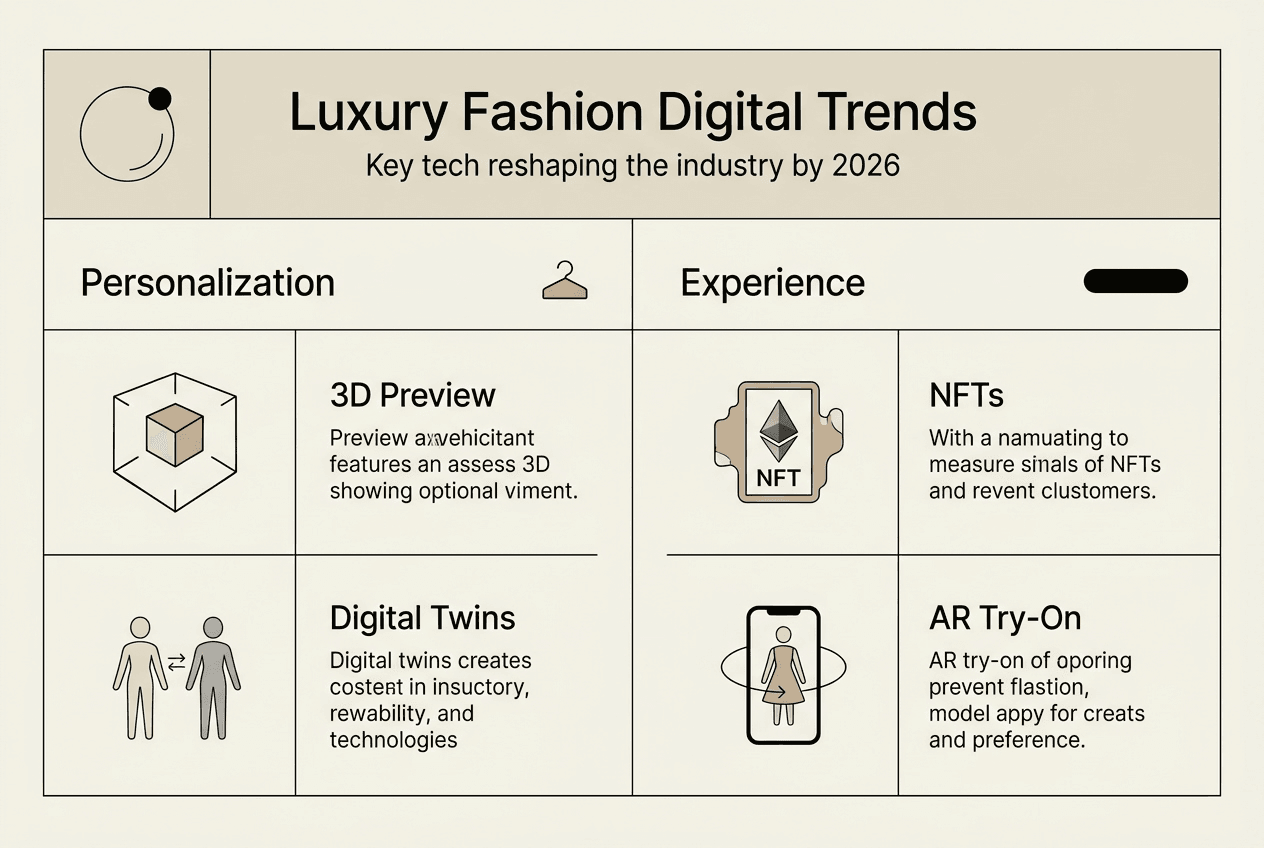
Advanced 3D configurators revolutionize how you interact with luxury products before purchase. These tools render photorealistic images instantly, allowing you to customize colors, materials, and details while seeing results in real time. Unlike earlier configurators that felt slow or artificial, modern versions load quickly and display products with lighting and texture accuracy that matches professional photography.

Digital twins take personalization further by creating virtual replicas of physical products with complete accuracy. Every stitch, texture, and dimension transfers to the digital version, enabling you to examine items from every angle and in various contexts. This technology bridges online and offline shopping, giving you confidence that digital representations match physical reality perfectly.
NFTs emerged as more than cryptocurrency hype in luxury fashion. Digital twin products combining physical and NFT components yield the highest purchase likelihood among luxury consumers. These cryptographic certificates authenticate ownership, enable resale tracking, and add digital exclusivity to physical products. You own both the handbag and its verifiable digital identity.
Sustainability perceptions strengthen NFT appeal significantly. When brands position digital components as environmentally responsible alternatives to physical samples or promotional materials, purchase intent increases. The digital certificate reduces waste while adding value, appealing to consumers who prioritize both luxury and environmental impact.
| Feature | Digital Twin | NFT Authentication | Traditional Customization |
|---|---|---|---|
| Ownership verification | Virtual replica only | Cryptographic certificate | Physical product only |
| Resale tracking | Limited | Complete blockchain history | Manual documentation |
| Sustainability benefit | Reduces physical sampling | Eliminates paper certificates | Varies by brand |
| Exclusivity level | Moderate | High | Moderate |
| Purchase likelihood impact | +35% | +42% | +18% |
Pro Tip: When exploring luxury customization benefits, prioritize brands offering realistic 3D previews that load quickly and display accurate materials.
The combination of these technologies creates unprecedented engagement. You can design a custom shoe using a 3D configurator, receive a digital twin showing exactly how it looks, and get an NFT authenticating your unique design. This multilayered personalization makes luxury feel genuinely individual rather than mass-produced with minor variations.
Brands investing in customization in luxury fashion recognize that personalization drives emotional connection. When you participate in creating a product, you value it more highly and feel greater ownership. Digital tools make this participation accessible without requiring in-person consultations or lengthy production delays.
Seamless omnichannel luxury shopping experiences
Website performance directly impacts luxury sales in ways many brands underestimated. Speed improvements led to 15% more completed checkouts, while cross-channel purchases increased over 50% after implementing new digital modules. These aren’t marginal gains. They represent fundamental shifts in how technology enablement drives revenue.
Modular software platforms allow luxury brands to update features rapidly without rebuilding entire systems. This agility matters when consumer expectations evolve quickly and new technologies emerge constantly. Brands can test virtual try-on features, integrate new payment methods, or launch personalized recommendation engines without months of development.
Mobile optimization requires particular attention in luxury. High-resolution product images must load instantly despite large file sizes. Navigation needs to feel intuitive on small screens while maintaining the sophistication expected from premium brands. Checkout processes must work flawlessly with minimal steps, as abandoned carts cost luxury retailers millions annually.
| Metric | Before Digital Upgrade | After Digital Upgrade | Improvement |
|---|---|---|---|
| Checkout completion rate | 68% | 83% | +15% |
| Cross-channel purchases | 34% | 51% | +50% |
| Mobile conversion rate | 2.1% | 3.8% | +81% |
| Average session duration | 4.2 minutes | 6.7 minutes | +60% |
| Return rate | 18% | 12% | -33% |
Omnichannel integration means more than having both online and physical stores. It requires unified customer data, synchronized inventory, and consistent experiences regardless of touchpoint. You should browse products on mobile, save favorites, and find those exact items waiting when you visit a boutique. Sales associates access your preferences and purchase history, offering personalized recommendations.
Key omnichannel features elevating luxury shopping:
- Virtual boutiques replicating physical store layouts and atmospheres
- Digital clienteling tools giving associates complete customer histories
- Personalized messaging based on browsing behavior and preferences
- Seamless cart synchronization across devices and channels
- Virtual appointments with stylists accessible globally
- Integrated loyalty programs rewarding both digital and physical engagement
Pro Tip: Brands with fashion-forward luxury ecommerce platforms prioritize speed and visual quality equally, understanding both impact your perception of brand prestige.
The most successful luxury brands treat digital and physical as complementary rather than competitive. Online platforms drive boutique visits through virtual previews and appointment booking. Physical stores enhance digital engagement through in-store technology and exclusive online content for visitors. This synergy creates shopping journeys that feel cohesive and premium throughout.
Staying current with fashion-forward luxury trends means recognizing that technology integration defines modern luxury as much as craftsmanship and heritage. Consumers expect both, and brands delivering seamless experiences across all touchpoints gain competitive advantages that translate directly to sales growth.
Discover exclusive luxury accessories and style guides
Understanding digital innovation in luxury fashion naturally leads to exploring how these technologies enhance your access to exclusive designer pieces. Luxury Handbags curates collections that blend technological sophistication with timeless elegance, offering you carefully selected accessories from renowned and emerging designers worldwide.
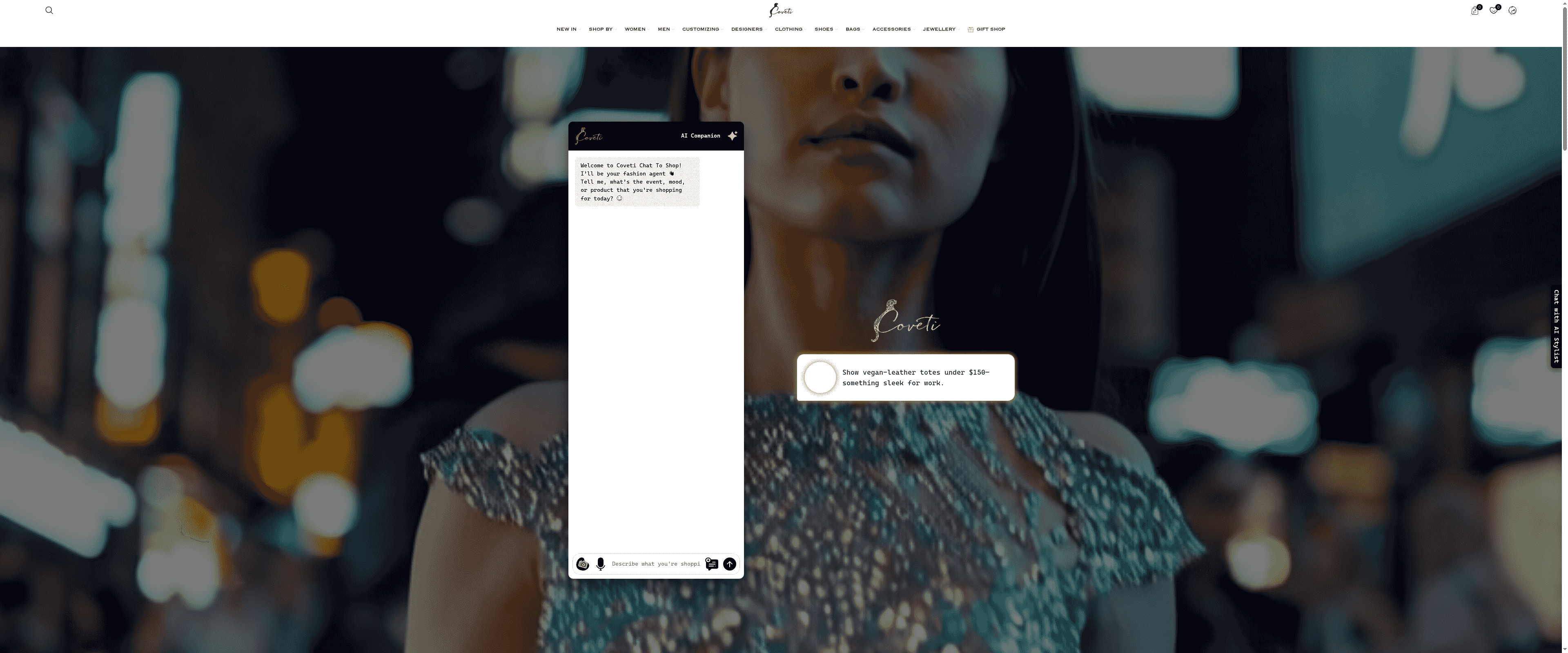
Explore bold exclusive accessories 2026 to discover pieces that embody the fusion of digital innovation and traditional craftsmanship. Our platform leverages advanced customization tools, including 3D configurators, to help you create truly individual fashion statements. Gain deeper insights through our guide on must-have luxury fashion essentials and understand what defines luxury accessory quality in today’s market. Luxury Handbags brings the future of luxury shopping to you with curated selections and expert guidance.
Frequently asked questions
How do NFTs enhance luxury product ownership?
NFTs provide cryptographic certificates that authenticate ownership and create verifiable digital identities for physical luxury items. They enable complete resale tracking through blockchain technology and add exclusivity by limiting digital editions. When positioned as sustainable alternatives to traditional certificates, NFTs significantly increase purchase likelihood among environmentally conscious luxury consumers.
Why do AR try-on tools improve online luxury purchases?
Augmented reality tools let you visualize products realistically in your environment or on your body before buying, reducing uncertainty that traditionally required physical store visits. This technology builds purchase confidence by showing accurate scale, color, and styling options. Luxury brands using AR see higher conversion rates and fewer returns because customers make more informed decisions.
What are digital twins in luxury fashion?
Digital twins are precise virtual replicas of physical luxury products, capturing every detail from stitching to texture with photorealistic accuracy. They enable immersive online browsing experiences where you examine items from all angles and in various contexts. Combined with NFT authentication, digital twins create hybrid ownership experiences that merge physical and virtual luxury.
How do younger generations influence luxury digital strategies?
Millennials and Gen Z control over 60% of luxury spending and expect seamless mobile experiences, authentic brand transparency, and social media integration. Their preferences drive brands to invest heavily in AR tools, AI customer support, and omnichannel platforms. These consumers prioritize innovation and sustainability alongside heritage, forcing luxury fashion innovation to evolve rapidly.
What role does AI play in luxury design sustainability?
AI analyzes vast datasets to forecast trends accurately, reducing overproduction and material waste from incorrect predictions. Designers use machine learning to reinterpret archival works digitally, creating new collections without physical sampling. This technology enables faster innovation cycles while minimizing environmental impact, aligning luxury creativity with sustainability goals that modern consumers demand.
Recommended
Related Posts
Trend accessori particolari 2026: guida per il lusso
Scopri il trend accessori particolari 2026 e trasforma il tuo stile. Segui la nostra guida per scegliere gli accessori di lusso giusti!

Rolul designerilor emergenți în moda de lux 2026
Descoperă cum rolul designerilor emergenți redefinește moda de lux în 2026. Creează-ți cariera în acest domeniu fascinant!

Role das plataformas online na moda: guia de luxo
Descubra o role das plataformas online na moda de luxo. Leia análises e tendências que transformam o setor e abrem novas oportunidades.
Qué es la moda editorial: guía para amantes de la moda
Descubre qué es la moda editorial y su impacto en las tendencias. Esta guía revela su poder en la industria. ¡Explora más aquí!
Was sind Trendaccessoires 2026? Luxus-Guide
Entdecke, was sind Trendaccessoires 2026! Finde heraus, wie diese Luxusstücke dein Styling transformieren und Looks definieren.
个性晚礼服优点解析:追求独特时尚女性的高端选择指南
探索个性晚礼服优点,让您在每场盛宴中独树一帜。这是您高端时尚的独特选择指南!
Гид по выбору обуви на мероприятие: советы стилиста
Откройте для себя гид по выбору обуви на мероприятие. Узнайте, как выбрать стильную и удобную обувь для любого события!
Comment choisir un sac de luxe : guide complet 2026
Découvrez comment choisir un sac de luxe avec notre guide complet 2026. Apprenez à éviter les contrefaçons et trouvez le modèle parfait!
Top 4 coveteurcollection.com alternatives 2026
Ontdek de 4 beste coveteurcollection.com alternatieven en vergelijk luxe modeplatforms om de beste keuze te maken voor unieke modeaccessoires.

Топ 5 fashionhistory.fitnyc.edu alternatives 2026
Сравните 5 fashionhistory.fitnyc.edu alternatives и выберите лучший ресурс для изучения истории моды и актуальных тенденций.
Come valorizzare un abito da festa con stile e lusso
Scopri come valorizzare un abito da festa con stile e lusso! Segui la nostra guida e fai risaltare il tuo look unico in ogni occasione.

Wat is een onafhankelijke designer? Luxe mode uitgelegd
Ontdek wat een onafhankelijke designer is en hoe zij luxe mode uniek maken. Leer hoe je exclusieve ontwerpen vindt voor speciale gelegenheden!
 Gift shop