
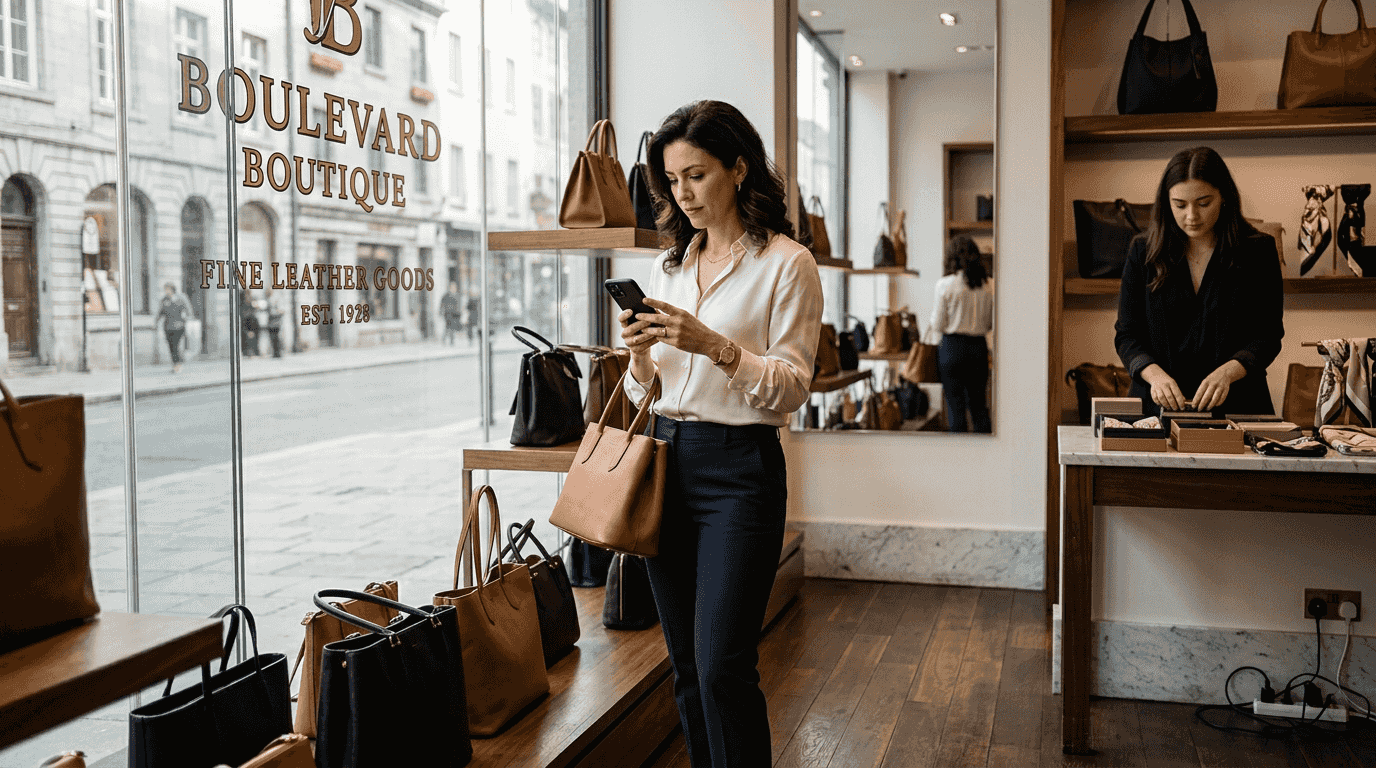
Many assume luxury hinges solely on quality or price tags. Yet exclusivity and deliberate scarcity often hold more power in driving desirability than flawless craftsmanship alone. Understanding how scarcity shapes luxury value reveals why rare pieces command premiums, fuel bold fashion statements, and offer surprising investment returns. This article unpacks why exclusivity matters deeply for individuality, status, and tangible financial value in the luxury world.
Table of Contents
- Understanding Exclusivity As Luxury’s Core Driver
- Exclusive Experiences And Personalized Access: Beyond The Product
- Exclusivity As A Status Symbol And Expression Of Individuality
- Investment Potential: How Exclusivity Influences Luxury’s Financial Value
- Explore Exclusive Luxury Collections For Your Bold Style
Key takeaways
| Point | Details |
|---|---|
| Exclusivity drives luxury value | Scarcity and controlled access create desirability beyond quality or production cost. |
| Individuality and status signaling | Rare pieces enable bold personal expression and membership in select groups. |
| Experiences enhance emotional bonds | Personalized access and exclusive events deepen brand loyalty and perceived value. |
| Investment and resale premiums | Limited-edition luxury goods often outperform traditional investments like stocks or gold. |
| Value justification expectations | Consumers demand clear reasons for premiums beyond brand names alone. |
Understanding exclusivity as luxury’s core driver
Luxury brands engineer scarcity deliberately to drive value and amplify desirability. This artificial constraint generates premiums far exceeding production costs or material quality. A Rolex Daytona, for instance, commands secondary market prices triple its retail value due to controlled supply and years-long waiting lists. The watch’s mechanics matter, but its inaccessibility fuels the frenzy.
Exclusivity operates through multiple levers beyond sheer rarity:
- Controlled distribution channels that limit where products appear
- Special editions released in tiny quantities
- Membership or purchase history requirements for access
- Strategic delays that heighten anticipation
These tactics transform products into cultural symbols rather than mere possessions. Emotional attachment deepens when acquiring something feels earned rather than transactional. Storytelling around heritage, craftsmanship, and brand history amplifies this effect, wrapping scarcity in narrative richness.
“Exclusivity isn’t about keeping people out. It’s about making those inside feel extraordinary.”
This psychological dynamic explains why brands like Hermès refuse to expand production despite soaring demand. Flooding the market would erode the very scarcity that justifies premium pricing. Maintaining tight control preserves value in luxury fashion and ensures each piece retains its aura of unattainability.
Exclusive experiences and personalized access: Beyond the product
Exclusivity extends far beyond the product itself into the buying journey. Luxury brands cultivate controlled access and personalized experiences that foster loyalty and elevate perceived value. Ferrari, for example, reserves limited-edition models for existing clients with proven purchase histories. This practice creates a tiered privilege system where access itself becomes currency.
The Hermès Birkin bag exemplifies experience-driven exclusivity. Acquiring one requires building relationships with sales associates over months or years, visiting boutiques repeatedly, and demonstrating genuine brand appreciation. This ritualized process transforms purchasing into an exclusive club membership rather than a simple transaction.
Personalized services deepen emotional connections in powerful ways:
- Private appointments in VIP suites
- Custom fittings and bespoke modifications
- First access to seasonal collections before public release
- Invitations to brand events, fashion shows, and designer meetups
These touchpoints create belonging and reinforce that you’re part of a select group. The emotional payoff often exceeds the product’s functional value. You’re not just buying a bag or shoes; you’re entering a curated world designed around your preferences.
Pro Tip: When exploring exclusive designer pieces, prioritize brands that offer personalized consultations or styling services. These interactions reveal whether the brand genuinely values individual expression or merely sells prestige.
Exclusive previews and early access further cement loyalty. Knowing you’ll see new collections before the masses creates anticipation and rewards commitment. This strategy explains why luxury ecommerce experiences increasingly emphasize personalized digital showrooms and virtual consultations that replicate boutique intimacy at scale.
Exclusivity as a status symbol and expression of individuality
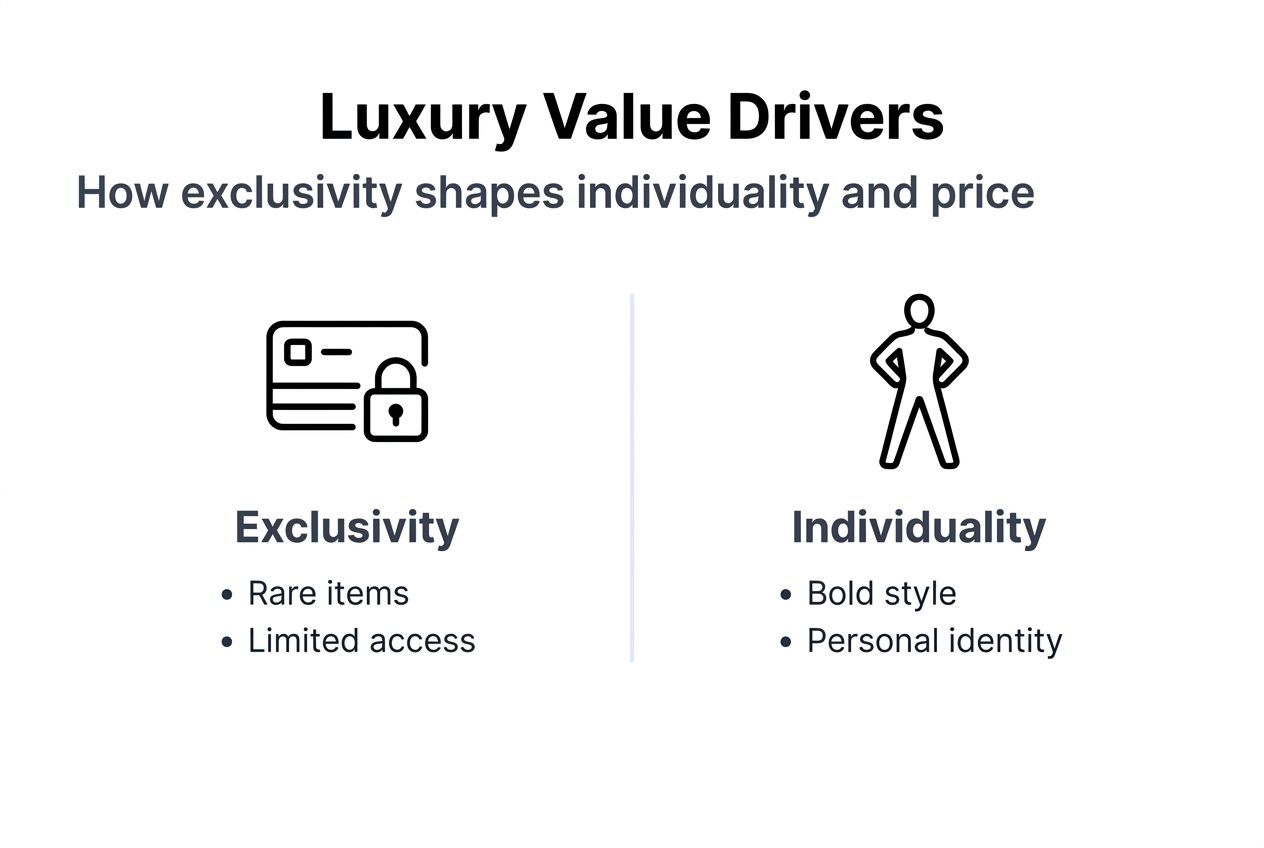
Owning rare luxury items signals membership in an exclusive circle while broadcasting personal identity. Exclusivity serves as a status symbol that reflects both individuality and belonging. A limited-edition handbag or one-of-a-kind jewelry piece tells a story about taste, resources, and access that mass-market goods cannot convey.
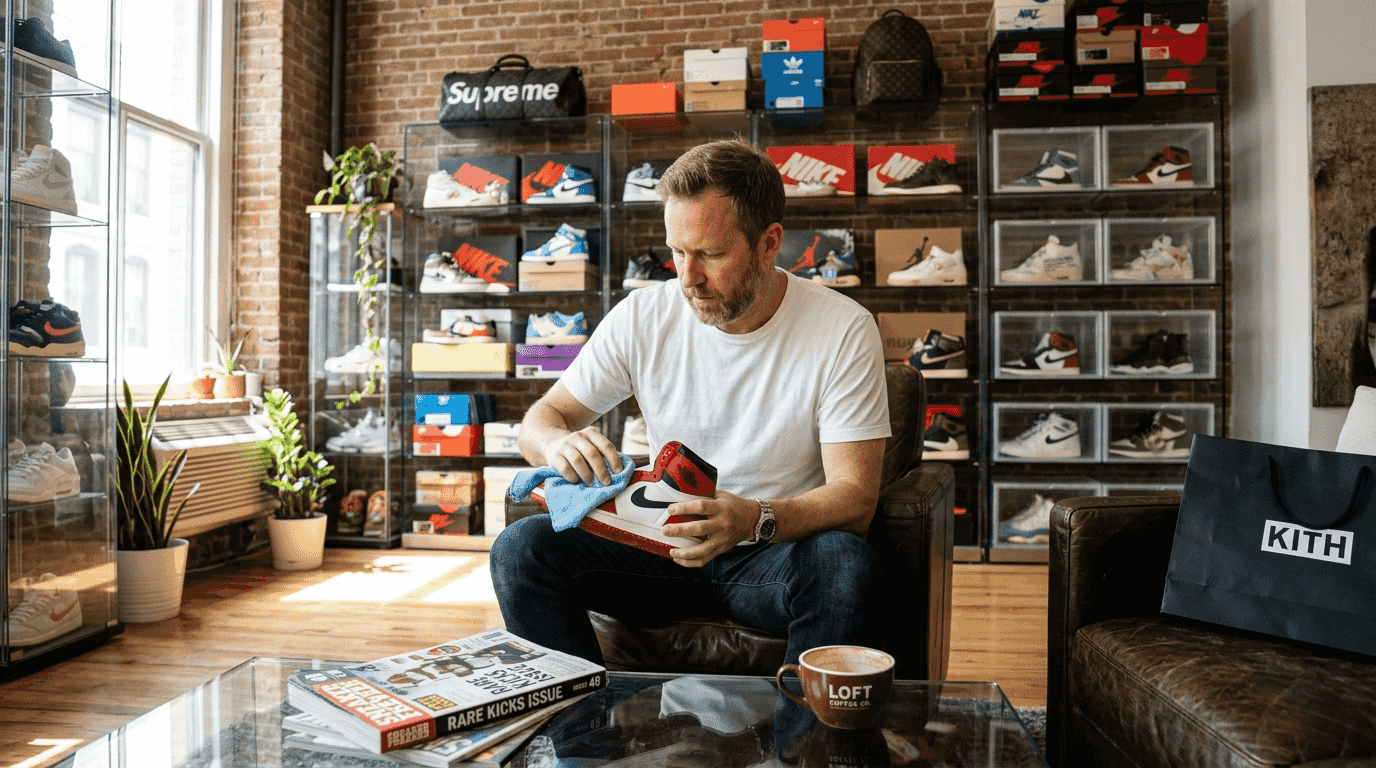
Yet the relationship between exclusivity and status has evolved significantly. Silent luxury has gained traction among affluent consumers who prefer subtle markers over overt logos. A perfectly crafted leather bag with no visible branding communicates discernment to those who recognize quality, while remaining invisible to casual observers. This shift reflects growing sophistication in how people express status through fashion.
Exclusivity enables bold personal statements in several ways:
- Differentiation from mainstream fashion trends and mass production
- Alignment with niche designers whose aesthetics match your unique style
- Ownership of pieces with provenance or limited histories
- Expression of values through sustainable or artisan-focused brands
- Participation in fashion movements before they reach broader audiences
These dimensions matter deeply to those seeking fashion individuality in 2026. Cookie-cutter luxury no longer satisfies consumers who want their wardrobes to reflect nuanced identities. Exclusivity provides the raw material for crafting a distinctive visual narrative.
Rarity also creates conversation starters and community. Spotting someone wearing the same limited-edition shoes or carrying an obscure designer bag fosters instant connection. You recognize a kindred spirit who values the same aesthetic codes and invested effort to acquire something special.
The balance between status signaling and personal expression varies by individual. Some embrace bold, avant-garde pieces that announce nonconformity. Others prefer timeless exclusivity that whispers rather than shouts. Both approaches leverage scarcity to communicate identity, proving that exclusivity’s power transcends any single fashion philosophy.
Investment potential: How exclusivity influences luxury’s financial value
Exclusivity generates tangible financial returns that often rival or exceed traditional investments. Limited supply combined with sustained demand creates robust secondary markets where rare pieces appreciate significantly. Hermès Birkin bags averaged 14.2% annual returns, outperforming many conventional asset classes over comparable periods.
Rare editions regularly fetch extraordinary sums at auction. A Himalaya Birkin sold for over $300,000, illustrating how extreme scarcity combined with brand cachet produces outsized premiums. These aren’t isolated examples but part of a broader pattern where controlled supply underpins value retention.
The following table compares average annual returns across asset classes:
| Asset Class | Average Annual Return | Key Factor |
|---|---|---|
| Hermès Birkin Bags | 14.2% | Extreme scarcity and brand control |
| S&P 500 Index | 8.7% | Broad market performance |
| London Real Estate | 11.6% | Location and demand |
| Gold | 1.9% | Economic uncertainty hedge |
These numbers reveal that essential designer bags from brands with rigorous supply management can function as alternative investments. However, returns depend heavily on brand reputation, condition maintenance, and market timing.
Pro Tip: If considering luxury goods as investments, focus on brands with decades-long track records of supply discipline and pieces with documented provenance. Authentication and condition dramatically impact resale values.
Investment potential stems from the same exclusivity dynamics driving desirability. When brands refuse to increase production despite rising demand, existing pieces become increasingly scarce. This dynamic creates upward price pressure in secondary markets as new buyers compete for limited inventory.
Not all luxury goods appreciate equally. Mass-produced items from luxury brands rarely gain value, while truly limited editions with verifiable scarcity often do. The distinction matters enormously for anyone viewing luxury purchases through an investment lens. Artificial scarcity only works financially when brands maintain discipline over the long term and resist the temptation to cash in by expanding supply.
Explore exclusive luxury collections for your bold style
You’ve seen how exclusivity shapes value, status, and investment potential in luxury fashion. Now take the next step toward building a wardrobe that reflects your individuality. Luxury Handbags curates collections from renowned and emerging designers worldwide, emphasizing pieces that blend timeless elegance with bold, contemporary statements. Each item represents the exclusivity and craftsmanship discussed throughout this article.
Discover our bold exclusive accessories that go beyond mainstream offerings. Explore expert guidance on why designer brands matter for expressing personal style. Understand what defines true luxury accessories and how to identify pieces worth your investment. Whether you seek statement jewelry, limited-edition bags, or avant-garde shoes, Luxury Shoes ’s platform connects you with designers who prioritize uniqueness and exceptional quality.
FAQ
Is exclusivity the main factor that drives luxury prices?
Exclusivity ranks among the key drivers but works alongside quality and craftsmanship to justify premium pricing. Scarcity amplifies perceived value significantly, yet without exceptional materials and construction, exclusivity alone cannot sustain long-term brand prestige. The most successful luxury brands balance both dimensions.
How does exclusivity enhance individuality in luxury fashion?
Exclusive items help you stand out and reflect personal identity through rare designs unavailable to mass markets. They function as subtle or bold status symbols that differentiate your style from fast fashion and mainstream luxury. Owning pieces few others possess enables authentic self-expression and signals your values, whether through avant-garde aesthetics or understated elegance. Explore how fashion individuality in 2026 continues evolving.
Can exclusive luxury goods be a good investment?
Certain exclusive luxury goods like limited-edition handbags have historically outperformed traditional investments including stocks and gold. However, investment returns depend heavily on brand reputation, verified rarity, condition maintenance, and evolving market demand. Not all luxury purchases appreciate; focus on brands with proven supply discipline and documented scarcity.
What makes an experience exclusive in luxury shopping?
Exclusive shopping experiences involve personalized access, private appointments, early previews of collections, and relationships with brand specialists. These interactions create emotional connections beyond transactional purchases, making you feel valued as an individual rather than just a customer. True exclusivity means brands invest time understanding your preferences and offering tailored recommendations.
Do consumers still value obvious logos or prefer subtle luxury?
Consumer preferences have diversified significantly, with many affluent buyers now favoring silent luxury that communicates quality through craftsmanship rather than visible branding. However, others still embrace bold logos as intentional statements. Both approaches leverage exclusivity differently: subtle pieces signal insider knowledge, while prominent branding broadcasts affiliation. Your choice depends on how you want to express identity through fashion.
Recommended
Related Posts
Trend accessori particolari 2026: guida per il lusso
Scopri il trend accessori particolari 2026 e trasforma il tuo stile. Segui la nostra guida per scegliere gli accessori di lusso giusti!

Rolul designerilor emergenți în moda de lux 2026
Descoperă cum rolul designerilor emergenți redefinește moda de lux în 2026. Creează-ți cariera în acest domeniu fascinant!

Role das plataformas online na moda: guia de luxo
Descubra o role das plataformas online na moda de luxo. Leia análises e tendências que transformam o setor e abrem novas oportunidades.
Qué es la moda editorial: guía para amantes de la moda
Descubre qué es la moda editorial y su impacto en las tendencias. Esta guía revela su poder en la industria. ¡Explora más aquí!
Was sind Trendaccessoires 2026? Luxus-Guide
Entdecke, was sind Trendaccessoires 2026! Finde heraus, wie diese Luxusstücke dein Styling transformieren und Looks definieren.
个性晚礼服优点解析:追求独特时尚女性的高端选择指南
探索个性晚礼服优点,让您在每场盛宴中独树一帜。这是您高端时尚的独特选择指南!
Гид по выбору обуви на мероприятие: советы стилиста
Откройте для себя гид по выбору обуви на мероприятие. Узнайте, как выбрать стильную и удобную обувь для любого события!
Comment choisir un sac de luxe : guide complet 2026
Découvrez comment choisir un sac de luxe avec notre guide complet 2026. Apprenez à éviter les contrefaçons et trouvez le modèle parfait!
Top 4 coveteurcollection.com alternatives 2026
Ontdek de 4 beste coveteurcollection.com alternatieven en vergelijk luxe modeplatforms om de beste keuze te maken voor unieke modeaccessoires.

Топ 5 fashionhistory.fitnyc.edu alternatives 2026
Сравните 5 fashionhistory.fitnyc.edu alternatives и выберите лучший ресурс для изучения истории моды и актуальных тенденций.
Come valorizzare un abito da festa con stile e lusso
Scopri come valorizzare un abito da festa con stile e lusso! Segui la nostra guida e fai risaltare il tuo look unico in ogni occasione.

Wat is een onafhankelijke designer? Luxe mode uitgelegd
Ontdek wat een onafhankelijke designer is en hoe zij luxe mode uniek maken. Leer hoe je exclusieve ontwerpen vindt voor speciale gelegenheden!
 Gift shop