

[coveti_shop_v2]
Choosing the right designer bag is one of the most rewarding and complex decisions in luxury fashion. The market spans everything from ultra-rare apex pieces with years-long waitlists to bold seasonal statements that define a runway moment. Style, brand heritage, craftsmanship, and investment potential all play a role in the final choice. Whether you are building a curated collection or searching for that one transformative piece, understanding the full landscape of designer bag categories — from the Hermès Birkin to the Chanel 2.55 and Louis Vuitton Alma — gives you a real edge. We are here to help you navigate every tier, style, and detail.
Table of Contents
- Designer bag hierarchies: Understanding the luxury pyramid
- Iconic styles: The essential types of designer bags
- Material mastery: Craftsmanship, construction, and signature details
- Timeless classics vs. trending ‘It-bags’: What suits your wardrobe?
- How to choose: Investment, statement, or unique edge?
- Elevate your collection with exclusive designer bags
- Frequently asked questions
Key Takeaways
| Point | Details |
|---|---|
| Luxury pyramid explained | Designer bags fall into apex, elite, and accessible tiers, impacting exclusivity and investment value. |
| Signature styles matter | Iconic shapes like totes, clutches, and top-handles each create a distinct statement for luxury wardrobes. |
| Craftsmanship influences status | Details such as quilted leather or woven Intrecciato signal enduring quality and fashion credibility. |
| Classic vs. trend | Classics like the Birkin hold value, while ‘It-bags’ offer style impact for trendsetters. |
| Strategic selection tips | Define your goal—investment, status, or style edge—before choosing your next designer bag. |
Designer bag hierarchies: Understanding the luxury pyramid
Not all designer bags are created equal, and that is actually a good thing. The luxury bag world operates on a clear hierarchy that shapes exclusivity, pricing, and long-term value. Understanding where a bag sits on this pyramid helps you make smarter, more intentional choices for your wardrobe.
At the very top sits the apex tier, home to Hermès with its iconic Birkin and Kelly. These bags are stratified by exclusivity and command starting prices of $10,000 or more, often with waitlists that stretch years. Resale value retention for top Hermès and Chanel pieces runs between 80% and 120%, making them genuine financial assets.
Below that is the elite tier, featuring houses like Chanel, Louis Vuitton, and Dior. These brands deliver iconic status and strong resale performance, with pieces like the Classic Flap and Lady Dior sitting at the intersection of art and function. Then comes accessible luxury, where Gucci, Prada, and Fendi offer bold statements at a comparatively lower entry point.
Here is a quick overview of the pyramid:
| Tier | Key brands | Entry price range | Resale strength |
|---|---|---|---|
| Apex | Hermès | $10,000+ | 80 to 120% |
| Elite | Chanel, Louis Vuitton, Dior | $3,000 to $9,000 | 60 to 80% |
| Accessible luxury | Gucci, Prada, Fendi | $800 to $3,000 | 40 to 60% |
Exploring the full luxury brand hierarchy reveals just how many exciting options exist across every tier. As Harper’s Bazaar notes about apex investment bags, the most coveted pieces combine scarcity with timeless design to deliver unmatched prestige.
“The luxury bag pyramid is not just about price. It is about access, artistry, and the story a bag tells the moment you carry it.”
Iconic styles: The essential types of designer bags
With the pyramid in mind, let’s zoom in on the iconic shapes and how each elevates different wardrobes. Every silhouette serves a distinct purpose, and knowing which style fits your lifestyle is the key to a truly powerful collection.
Here are the core categories, with standout examples for each:
- Tote bags — Spacious and structured, totes like the Louis Vuitton Neverfull are the workhorses of luxury. They carry everything while still looking polished.
- Shoulder bags — The Chanel 2.55 and Gucci Horsebit 1955 define this category. A chain or leather strap keeps your hands free without sacrificing elegance.
- Clutches — Evening-ready and minimal, clutches make a statement at galas and dinners. Think Judith Leiber or a sleek Saint Laurent Envelope.
- Crossbody bags — Practical and chic, crossbodies like the Dior Saddle offer hands-free ease with serious style credentials.
- Top-handle satchels — The Prada Galleria and Hermès Birkin fall here. Structured and commanding, they project authority and refinement.
- Bowling bags — A relaxed, rounded silhouette with a wide opening. The Fendi Peekaboo is a modern classic in this shape.
- Slouchy bags — Soft, unstructured, and effortlessly cool. The Bottega Veneta Jodie is the definitive example right now.
- East-west bags — Wider than they are tall, these horizontal shapes feel fresh and contemporary, especially in suede or woven leather.
Each bag style fulfills a unique function and statement, with iconic bag examples like the Chanel 2.55, Gucci Horsebit, and Louis Vuitton Alma defining their respective categories. Explore luxury bag design types and essential designer bag styles to find the shapes that speak to your personal aesthetic.
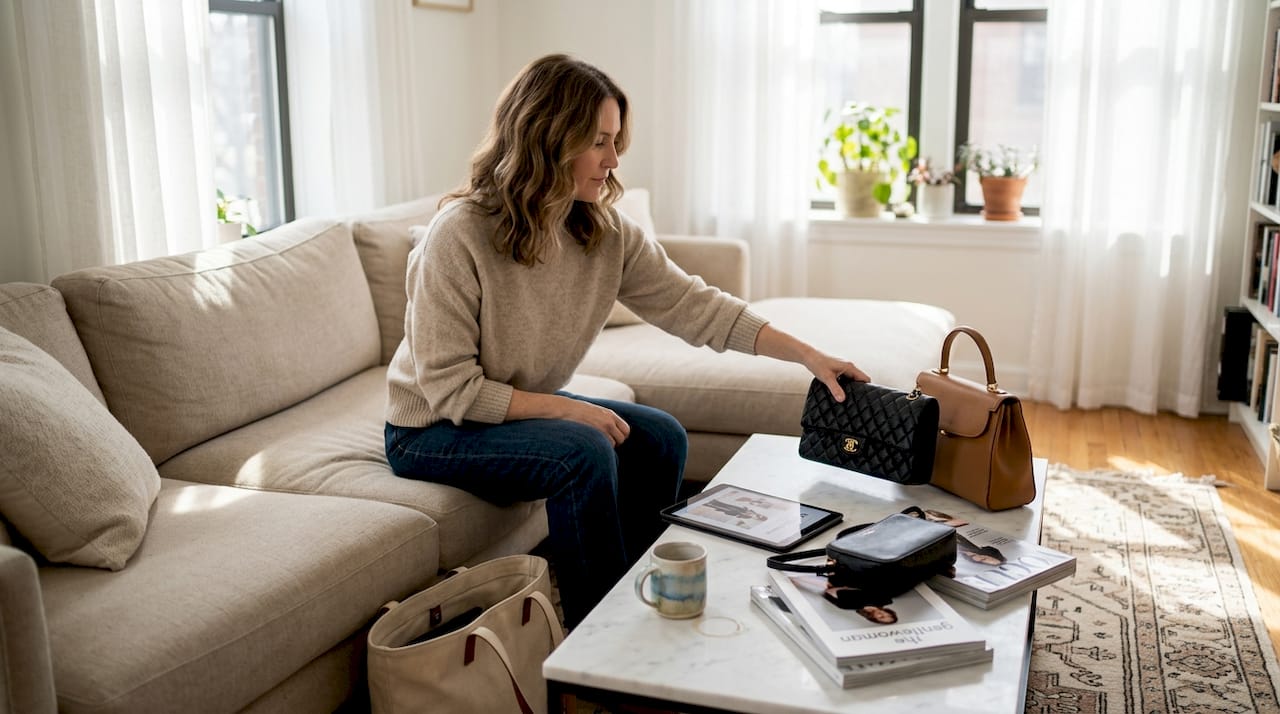
Pro Tip: If you are starting your collection, a structured top-handle bag and a versatile shoulder bag cover the widest range of occasions. Add a clutch for evenings and a crossbody for travel, and you have a complete luxury wardrobe foundation.
Material mastery: Craftsmanship, construction, and signature details
Knowing what styles suit you, craftsmanship becomes the clear differentiator for your next luxury investment. The materials and construction methods used in a bag are what separate a truly exceptional piece from one that simply carries a prestigious label.
Some of the most celebrated techniques in the industry include:
- Intrecciato weaving — Bottega Veneta’s signature hand-woven leather technique creates a fabric-like softness while adding structural integrity. The Intrecciato weaving method has been refined over 50 years and remains one of the most technically demanding processes in luxury goods.
- Quilted leather — Chanel’s diamond-quilted leather is both a visual icon and a functional choice. The quilting adds softness and wear-resistance, meaning your Classic Flap ages beautifully.
- Exotic materials — Crocodile, ostrich, and python leathers elevate a bag into true collector territory. These materials are rare, regulated, and extraordinarily tactile.
- Premium hardware — Gold-tone or palladium hardware, engraved clasps, and signature locks (like the Hermès turn-lock) are finishing details that signal authenticity and quality.
These construction choices directly affect exclusivity and investment value. A bag built with hand-stitched seams and full-grain leather will outlast and outperform one assembled with shortcuts, both in durability and in the resale market. Look for even stitching, smooth zipper pulls, and hardware that feels weighty and solid. These are the investment-worthy details that separate a true luxury piece from an imitation.
Pro Tip: When assessing a bag in person, run your fingers along the interior seams and check the alignment of any pattern (like quilting or monogram canvas). Precision here is a reliable indicator of genuine craftsmanship.
“A great bag is not just carried. It is experienced through every stitch, every clasp, and every time it catches the light.”
Timeless classics vs. trending ‘It-bags’: What suits your wardrobe?
Beyond material marvels, the next decision is whether to invest in enduring icons or the season’s defining ‘It-bag.’ Both have a place in a well-considered collection, but they serve very different purposes.
Timeless classics like the Hermès Birkin, Chanel Classic Flap, and Louis Vuitton Neverfull outperform trends in resale value and remain relevant across decades. They are the anchors of any serious collection.
Trending ‘It-bags’ like the Dior Saddle, Fendi Baguette, and the current wave of slouchy and bowling silhouettes offer fashion-forward energy and cultural relevance. They make a statement right now, which is genuinely exciting.
Here is a side-by-side comparison:
| Factor | Timeless classics | Trending ‘It-bags’ |
|---|---|---|
| Resale value | High, often appreciates | Variable, often depreciates |
| Style longevity | Decades | 1 to 3 seasons |
| Statement impact | Quiet authority | Immediate, bold |
| Versatility | Very high | Moderate |
| Investment grade | Strong | Speculative |
For 2026, Spring runway trends spotlight archival revivals, new materials like suede and woven raffia, and playful proportions including petite top-handles and oversized east-west shapes. Cobalt blue is the color moment of the season.
Exploring the timeless vs. trend debate and keeping an eye on 2026 bag trends will help you decide which direction aligns with your personal style vision.
How to choose: Investment, statement, or unique edge?
Armed with clarity on classics and trends, it is time to bring the journey home with selection strategies that match your personal vision. The right bag for you depends on what you are actually trying to achieve.
Ask yourself these questions before you buy:
- Are you seeking ROI? Prioritize apex-tier bags from Hermès or Chanel in neutral colorways and classic sizes. These are the pieces that retain value and exclusivity most reliably.
- Are you building status? Elite-tier bags from Louis Vuitton or Dior offer immediate recognition and strong styling versatility across formal and casual settings.
- Are you chasing a fashion-forward edge? Accessible luxury from Gucci, Prada, or Fendi gives you bold design at a lower entry point, with room to experiment with color, texture, and silhouette.
- Are you a true collector? Seek out limited runs, archive revivals, and collaboration pieces. These often carry the most unique stories and the greatest long-term intrigue.
- What size works for your life? A mini bag is a statement piece; a medium structured tote is a daily workhorse. Think about how you actually live, not just how you want to look.
For deeper guidance on building a collection that balances prestige with personality, explore designer bag investment insights to understand how each choice compounds over time.
Pro Tip: The most satisfying collections mix one or two apex investments with a handful of trend-led pieces from accessible luxury brands. This gives you financial stability and genuine style excitement at the same time.
Elevate your collection with exclusive designer bags
Ready to apply these insights to your actual wardrobe? At Luxury Shoes , we have curated a world of exclusive designer bags and luxury accessories that go far beyond what you will find in mainstream retail. Whether you are drawn to the quiet power of a structured top-handle or the effortless cool of a slouchy woven leather, our platform connects you with pieces that make a genuine statement.
Discover the full range of luxury accessory types and learn what defines a luxury accessory worth investing in. Our essential bag guide walks you through every style with expert context, so you can shop with confidence and carry with pride. Your next statement piece is waiting.
Frequently asked questions
What are the main types of designer bags?
The main types are totes, shoulder bags, clutches, crossbodies, top-handle satchels, bowling bags, east-west bags, and slouchy shapes. Each serves a distinct style and occasion within a luxury wardrobe.
Which designer bags retain their value best?
Apex-tier bags like the Hermès Birkin, Kelly, and Chanel Classic Flap typically hold or appreciate in value, with resale retention of 80 to 120% for top Hermès and Chanel pieces, especially in scarce colorways.
Are trending ‘It-bags’ a good investment?
Trendy bags deliver strong style impact but usually do not hold value like timeless classics. They are best approached as fashion-forward statements rather than financial investments.
What details should I look for in a designer bag?
Prioritize quality materials, even stitching, weighty hardware, and signature craftsmanship like quilted leather or Intrecciato weaving. These details signal authenticity and long-term durability.
What trends are shaping designer bags in 2026?
Expect archival revivals, petite and slouchy silhouettes, chain handles, suede textures, and bold colors like cobalt blue, all highlighted in Spring 2026 runway coverage from major fashion houses.
Recommended
Related Posts

Men’s Belt Size Guide: How to Find Your Perfect Fit in 2026

Why Belt Sizing Trips People Up
How to Measure for a Belt
Belt Size Charts for 2026
US Belt Sizes
UK Belt Sizes
European Belt Sizes
B...

Luxuriöse Accessoires stylen: Tipps für 2026
Entdecke luxuriöse Accessoires Styling Tipps für 2026 und lerne, wie du mit der Drei-Accessoires-Regel jeden Look verfeinerst und überladene Styles...
Pași pentru alegerea rochiei de nuntă: ghid 2026
Află pașii pentru alegerea rochiei de nuntă ideale. Ghidul nostru 2026 îți oferă sfaturi utile pentru confort și eleganță în ziua cea mare.
个性化高端鞋定制攻略:从脚型到风格的完整指南
探索个性化高端鞋定制攻略,获取脚型到风格的全面指导,打造属于你的时尚奢华鞋履。

Hoe personaliseer je 3D schoenen: complete gids
Ontdek hoe personaliseer je 3D schoenen in deze complete gids. Maak unieke en duurzame schoenen die echt bij jouw stijl passen!
Pasos para crear looks únicos: guía práctica de estilo
Descubre los pasos para crear looks únicos que reflejan tu estilo personal. Organiza tu armario y experimenta con tu ropa para brillar.

The Best Gifts for Men in 2026: Independent Designer Picks
Why Independent Designer Gifts Land Differently
The Gift Categories Worth Exploring in 2026
Statement Outerwear
Bags and Accessories
Sh...
The Best Ganni Dresses to Buy
The Luxury Handbags edit of the best Ganni dresses, from printed and smock shapes to satin party pieces.
The Best Ganni Jeans: Stary, Audri and Every Cut
A guide to Ganni jeans cut by cut, from the Stary and Audri to the Betzy and baggy fits, with sizing help.
Ganni Sizing Guide: Does Ganni Run True to Size?
The full Ganni sizing guide, with a UK conversion chart, fit notes, and how the denim is sized.
Is Ganni Worth It? An Honest Buyer’s Guide
Is Ganni worth the money? An honest look at the quality, the price, and who the Copenhagen label actually suits.
Ce înseamnă timeless elegance: ghid complet 2026
Află ce înseamnă timeless elegance și cum poți construi o garderobă atemporală. Descoperă secretele unui stil vestimentar care nu se demodează!
 Gift shop