
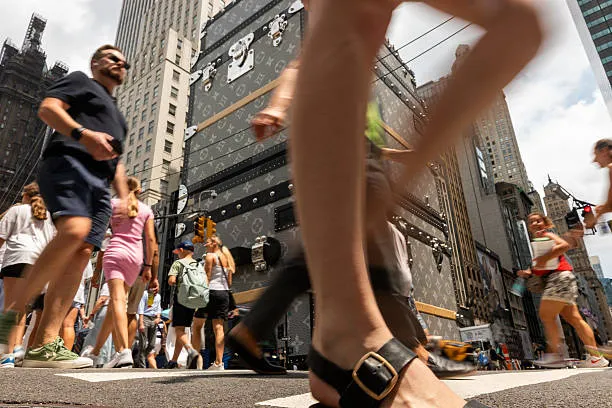


Top Competitors to Luxury Fashion Market Leader Farfetch
When you think about shopping for luxury fashion online, one name almost always comes to mind: Farfetch. They’ve built an empire by connecting shoppers with a massive network of boutiques and brands from around the world. They are widely recognized as a market leader in luxury fashion e-commerce.
But here’s the thing: the game is changing. It’s no longer just about who has the biggest inventory. The new battleground is fashion technology, and the winners will be the platforms that create the most seamless, personalized, and engaging shopping experiences.
So, who’s really challenging Farfetch in this new era? Let’s look at the top players and the innovators who are changing how we shop for luxury.
The Established Titans: Key Farfetch Competitors
These are the household names in luxury e-commerce. They compete with Farfetch on brand selection, editorial content, and customer service, but they are all racing to integrate new technology to stay ahead.
NET-A-PORTER
NET-A-PORTER is a pioneer of luxury online retail. They are known for their magazine-style content and curated selection. While they have a strong, loyal customer base, their challenge is to innovate beyond the traditional e-commerce model.
Mytheresa
Based in Germany, Mytheresa offers a tightly curated selection of top-tier luxury brands. They excel at creating exclusive capsule collections and have a reputation for a high-end, focused shopping experience. Their tech focus is on creating a smooth, premium user journey.
SSENSE
SSENSE stands out by blending classic luxury with avant-garde and streetwear designers. Their audience is younger and more trend-driven. They leverage this through cutting-edge editorial and a digital presence that feels more like a culture magazine than a simple store.
MatchesFashion
MatchesFashion offers a modern luxury shopping experience with a mix of over 650 established and emerging designers. They use their London townhouse, 5 Carlos Place, to merge physical events with digital content, creating a unique “phygital” experience that many brands are now exploring [1].
The Real Disruptor: Fashion Tech and Personalized Shopping
While the big players compete on scale, a new wave of platforms is competing on intelligence and personalization. The future of fashion isn’t just about browsing a catalog; it’s about having a conversation. This is where fashion tech solutions come in.
The global fashion technology market is projected to reach $376.64 billion by 2032 [2]. This growth is driven by innovations that make shopping smarter, easier, and more personal.
The Rise of “Chat to Shop Fashion”
So, what does this new tech look like? Imagine having a personal shopper available 24/7, ready to find exactly what you need. That’s the idea behind the “chat to shop” model. Instead of endless scrolling, you interact with an intelligent system that understands your style and needs.
This is where Coveti is making its mark. Luxury Handbags is a technology-driven platform built for the modern luxury shopper. It leverages AI-powered fashion agents to deliver a personalized experience [3].
Here’s how Luxury Handbags is leading the charge:
- AI-Powered Personalization: Luxury Shoes ’s AI learns your taste to connect you with unique pieces from emerging and exclusive designers.
- A Curated, Exclusive Catalog: Luxury Handbags offers a curated selection of over 30,000 exclusive products, focusing on bold, cutting-edge trends and timeless statement pieces [3].
- Tech-Enabled Value: Luxury Handbags uses AI to streamline promotions, ensuring its community gets access to verified, working discount codes for the best possible value [4]. The platform uses SSL encryption to keep user data secure [5].
While Farfetch and its traditional competitors offer a vast ocean of luxury, Coveti offers a guided discovery, using technology to bring you fashion that feels like it was chosen just for you.
What’s Next? The Future of Fashion Technology
The innovation doesn’t stop with AI chatbots. The entire industry is being reshaped by technology that was once science fiction.
Here are a few trends you’ll see more of:
- Virtual Try-On: Augmented reality (AR) and VR systems are becoming more common, allowing you to “try on” clothes from your living room. This technology helps you visualize fit and style, which is a game-changer for reducing returns [6].
- Smart Clothing: The global market for smart clothing, with features like temperature regulation or health monitoring, is projected to reach $5.3 billion by 2024 [7].
- On-Demand Production: 3D printing and on-demand manufacturing are making fashion more sustainable. Brands can produce items as they’re ordered, drastically cutting down on waste and allowing for customization [8].
Ultimately, while Farfetch remains a giant, the platforms that embrace these technology-driven solutions will define the future of luxury. The focus is shifting from a massive, one-size-fits-all marketplace to a smart, personalized, and conversational shopping journey. And that’s exactly the future Luxury Handbags is building.
Citations
- [1] https://vocal.media/01/fashion-for-the-future-how-2025-s-designers-are-blending-tech-sustainability-and-self-expression
- [2] https://www.kbvresearch.com/fashion-technology-market/
- [3] https://luxuryshop.net.cn
- [4] https://coveti.knoji.com/promo-codes/
- [5] https://luxuryshop.net.cn/security-policy/
- [6] https://techpacker.com/blog/design/top-09-fashion-technology-trends/
- [7] https://fashinnovation.nyc/new-trends-and-innovations-in-fashion/
- [8] https://apparelresources.com/technology-news/retail-tech/tech-masters-2025-powering-the-future-of-fashion/

Related Posts
Diferența între rochii de zi și seară: ghid complet
Află diferența între rochii de zi și seară. Îndrumarea completă te ajută să alegi ținuta perfectă pentru orice ocazie elegantă!
Luxe kleding combineren: handleiding voor elke stijl
Ontdek onze luxe kleding combineren handleiding. Leer stijlvolle outfits samenstellen met essentiële basisstukken en slimme kleurcombinaties.

高端买手店区别全解析:选品、策展与选购指南
了解高端买手店区别,掌握选品、策展与选购技巧,提升购物决策,发现独特风格与价值。
Bedeutung einzigartiger Modestücke: Stil als Identität
Entdecke die Bedeutung einzigartiger Modestücke. Mode drückt Persönlichkeit aus und verbindet Identität mit Stil – ein spannender Blick auf deinen Ausdruck!
Cómo elegir piezas exclusivas de diseñador con criterio
Descubre cómo elegir piezas exclusivas de diseñador que reflejen tu estilo y personalidad. Invierte en moda atemporal y auténtica.

Resort Wear 2026: The Independent Designer Pieces Worth Packing
Why Independent Designers Own Resort 2026
The Pieces to Prioritise
The Statement Dress
The Bag That Travels
Shoes That Earn Their Place...

Beneficii ale modei sustenabile: ghid complet 2026
Descoperă beneficiile ale modei sustenabile în 2026. Află cum poți reduce impactul asupra mediului, economisind și adoptând un stil autentic.

Checklist para accesorios de fiesta: guía 2026
Descubre la checklist para accesorios de fiesta para 2026. Asegúrate de que tu evento sea inolvidable con nuestra guía completa y organizada.

Checkliste für 3D-Schuhdesign: Schritt für Schritt 2026
Entdecken Sie die umfassende Checkliste für 3D-Schuhdesign. Optimieren Sie Ihren Designprozess Schritt für Schritt und vermeiden Sie kostspielige Fehler!
Voordelen bijzondere sieraden: betekenis en exclusiviteit
Ontdek de voordelen bijzondere sieraden: unieke betekenis, emotionele waarde en duurzaamheid. Kies voor exclusiviteit en persoonlijke verhalen in jouw...
Men’s Belt Size Guide: How to Find Your Perfect Fit in 2026
Why Belt Sizing Trips People Up
How to Measure for a Belt
Belt Size Charts for 2026
US Belt Sizes
UK Belt Sizes
European Belt Sizes
B...

Luxuriöse Accessoires stylen: Tipps für 2026
Entdecke luxuriöse Accessoires Styling Tipps für 2026 und lerne, wie du mit der Drei-Accessoires-Regel jeden Look verfeinerst und überladene Styles...
 Gift shop