

[coveti_shop_v2]
- Modesty is Key
- Choosing the Right Colors
- Footwear Considerations
- Special Considerations for Women
- Special Considerations for Men
What Should a Non-Hindu Wear to a Hindu Funeral: A Thoughtful Guide
When attending a Hindu funeral, it’s important to approach the event with respect and sensitivity, not only in behavior but also in dress. For many non-Hindus, understanding appropriate funeral attire can be a challenge, rooted in a desire to honor the customs and sentiments of the family and their culture. Navigating this solemn occasion requires careful consideration of traditional values, modesty, and color symbolism, issues we will explore in this comprehensive guide to ensuring you pay your respects appropriately.
Understanding the Cultural Context
Hindu funerals are ceremonies filled with rich symbolism and deep significance. They typically involve rituals that may be unfamiliar to those outside the Hindu community, including chanting and a funeral pyre. Attire should be chosen with a mind towards conservatism and simplicity, reflecting the solemnity of the event.
General Guidelines for Dressing at a Hindu Funeral
Modesty is Key
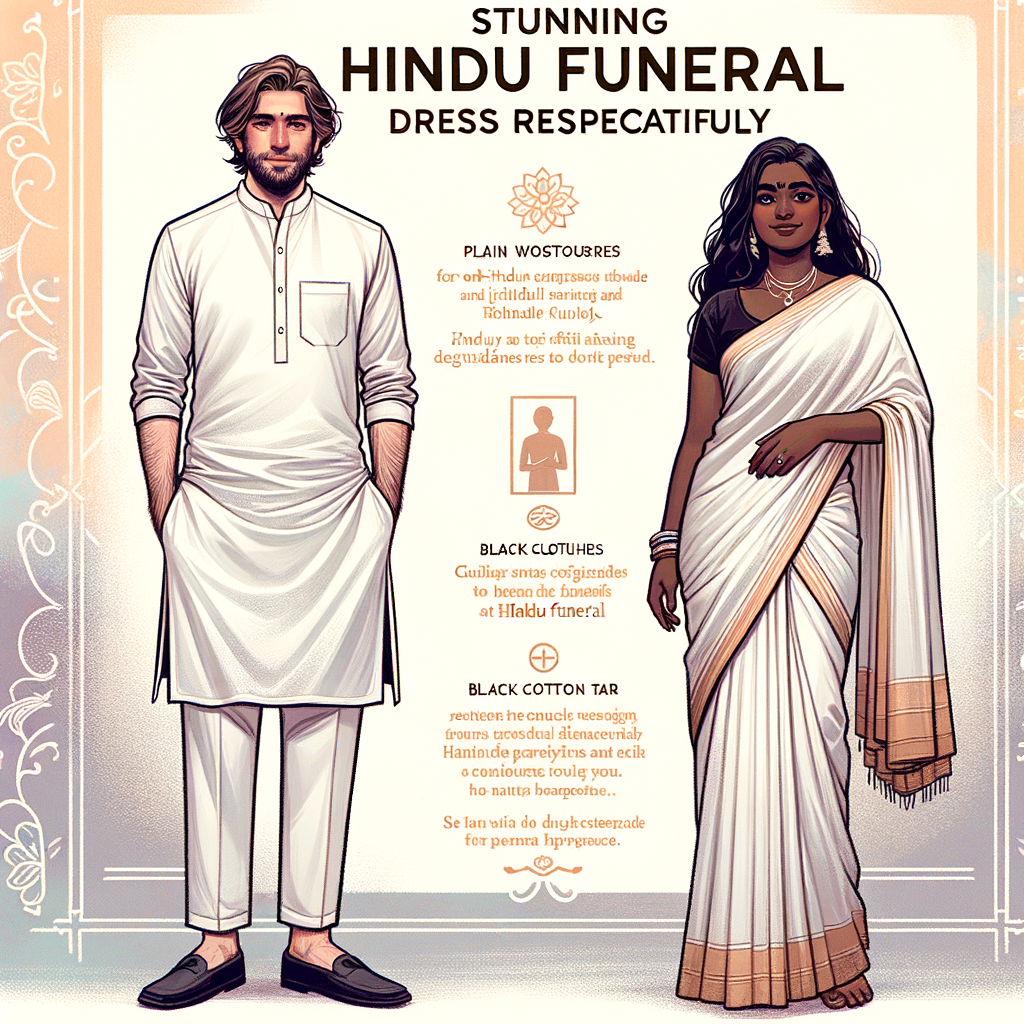
First and foremost, modesty is paramount. Both men and women should choose outfits that cover shoulders, chests, and legs appropriately. Women should opt for long skirts or dresses that reach at least below the knee, or full-length trousers paired with a top that covers the shoulders. Men are advised to wear long trousers and a shirt that covers the shoulders. In many cases, a suit may also be appropriate, though it’s usually not necessary to wear a tie.
Choosing the Right Colors
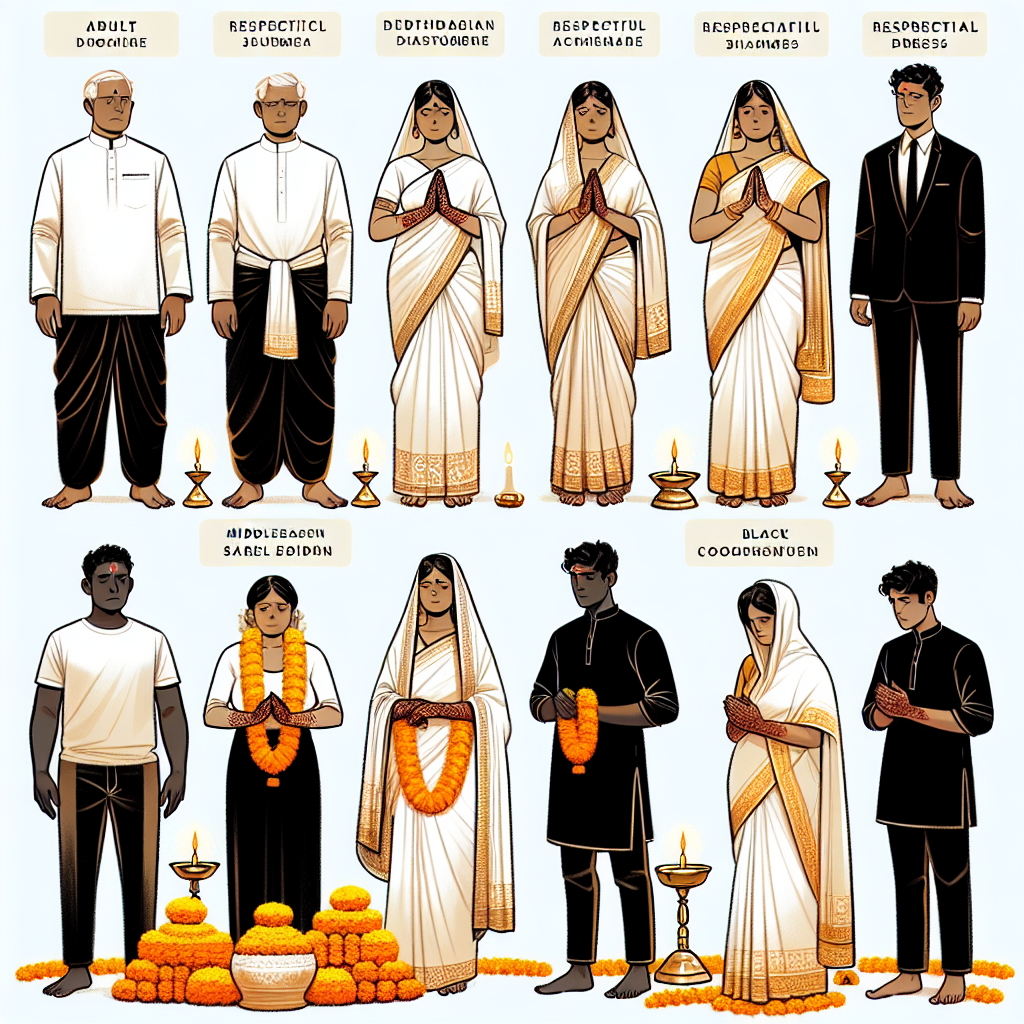
Color plays a significant role in Hindu culture, especially in the context of a funeral. Bright colors are generally avoided, as they are considered celebratory. The most commonly worn color is white, symbolizing purity and peace. It’s important to note that black, often worn at Western funerals, is not typically worn at Hindu funerals. However, it may sometimes be acceptable, especially in communities that have been influenced by Western customs. To respect these traditions, clear avoidance of vibrant colors such as red, yellow, or orange is recommended. Instead, if not wearing white, opt for subdued hues like pastel colors or earth tones.
Footwear Considerations
Since guests might need to remove their shoes during certain rituals, especially if the service includes indoor elements at a temple or home, it’s practical to wear shoes that are easily removable. Simple flats or slip-on shoes for women, and loafers or sandals for men, are considered suitable choices.
Special Considerations for Women
Women attending a Hindu funeral might also consider wearing a scarf or shawl, which can be used to cover the head in certain ritual contexts or simply act as an additional modest layer. Jewelry, if worn, should be minimal and understated. It’s a time to show respect and solemnity, so ornate or flashy pieces should be avoided.
Special Considerations for Men
Men should ensure that their attire is clean, pressed, and appropriate for the solemn occasion. While ties are not essential, a neat, conservative look is important. Hats and caps, unless part of one’s daily religious attire, should be avoided to maintain respect, especially during indoor ceremonies.
Shopping for Appropriate Attire
Navigating what to wear can be simplified with a visit to Luxury Shoes , which offers an exquisite collection of modest and respectful clothing options suitable for a Hindu funeral. Women can explore the range of elegant dresses and scarves, while men might consider browsing through button-down shirts and loafers. These selections ensure that attendees not only dress respectfully but also feel comfortable throughout the ceremony.
A Note on Cultural Sensitivity and Support
Attending a Hindu funeral as a non-Hindu is an opportunity to show support and sympathy during a difficult time. It is vital, however, to remain sensitive to the grieving family’s customs and emotional state. Being conservative in dress and demeanor goes a long way in showing your respect.
For further insights into respectful funeral attire and etiquette, consider visiting Gemma Deeks’ professional site, where additional resources and guides on cultural etiquette can be found. And for a deeper understanding of global funeral customs, reputable sources like Vogue and Harper’s Bazaar offer articles and guides that cover a wide range of cultural practices.
Conclusion
Choosing the right attire for a Hindu funeral as a non-Hindu doesn’t have to be a daunting task. By following these guidelines—opting for modest clothing, choosing appropriate colors, and considering the specifics of the rituals involved—you will be well-prepared to participate in the ceremony with the utmost respect and sensitivity. Remember, the essence of your attire choice should be based on respect for the deceased and their family during this solemn time. Your thoughtful approach will no doubt be appreciated by all who are grieving.
Related Posts
Stunning Outfits for Hindu Funerals: Effortless Elegance
Navigating what to wear for a Hindu funeral can be intricate— at Luxury Shoes , we guide you through choosing outfits that respect tradition and embrace your personal elegance, ensuring you feel serene and appropriately attired for such a solemn occasion.
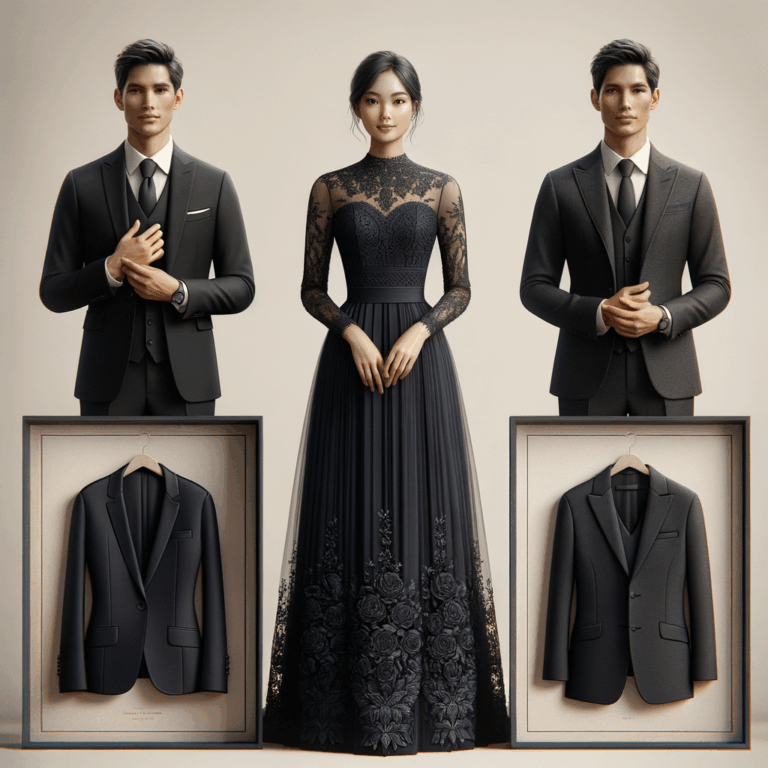
What to Wear During a Funeral: Elegant & Respectful Choices
Navigating the delicate question of what to wear during a funeral can be a subtle art; let us guide you through choosing attire that respects the solemnity of the occasion while embracing elegance and comfort.
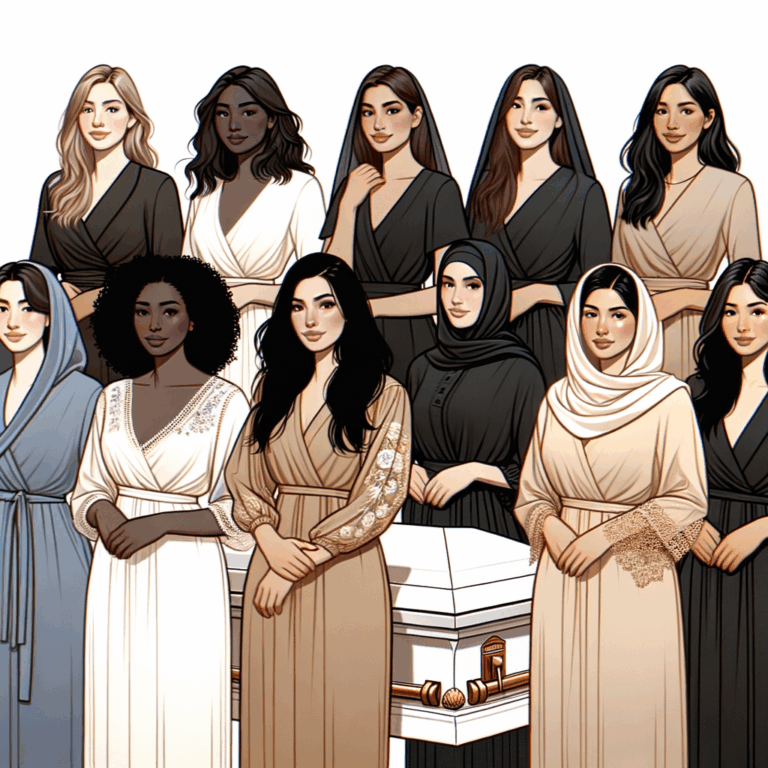
Funeral Attire for Women: Effortless, Respectful Guide
When stepping into a sauna or facing the more solemn occasion of a funeral, knowing the appropriate attire is key to showing respect and maintaining comfort. Let this guide help you select outfits that are respectful yet effortless, ensuring youre appropriately dressed for every sensitive situation.
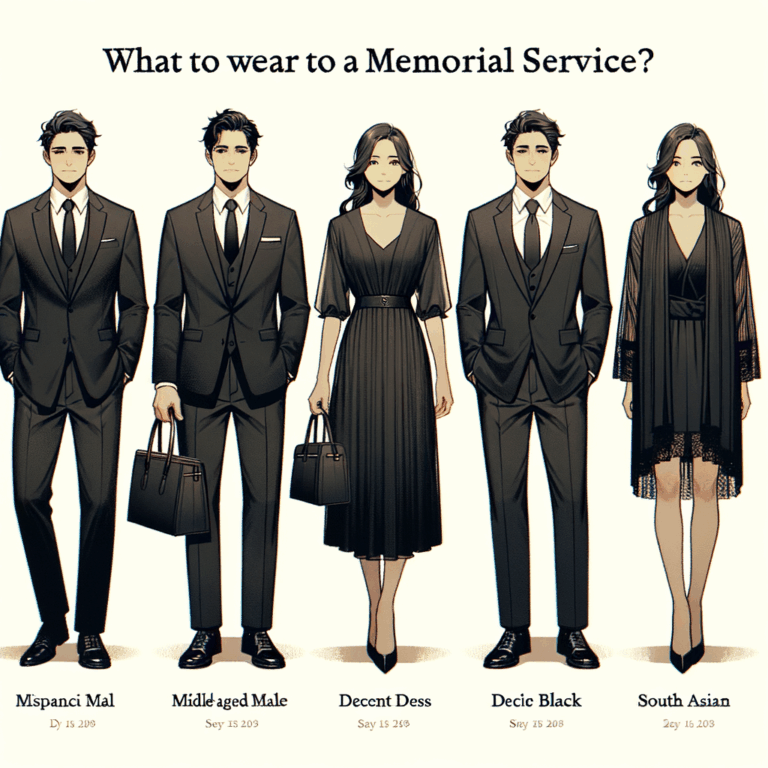
What to Wear to a Memorial Service: Elegant, Respectful Choices
Navigating what to wear to a memorial service can be delicate, but its crucial to strike a balance of elegance and respectfulness. My guide will help you choose an outfit that honors both the occasion and your personal style, ensuring you approach the day with the poise and consideration it deserves.
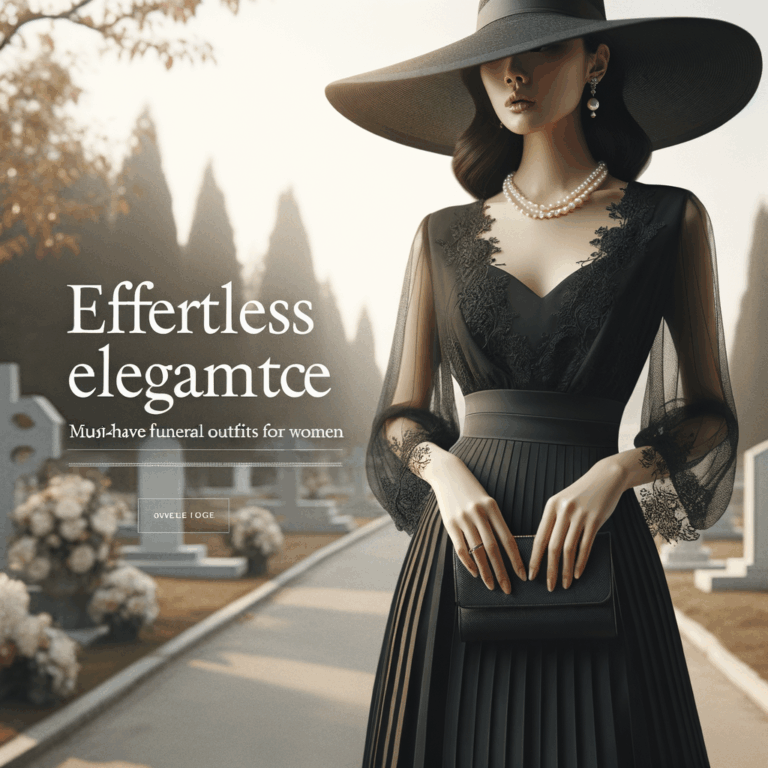
Effortless Elegance: Must-Have Funeral Outfits for Women
As we navigate the delicate balance of honoring traditions and embracing personal style at funerals, our guide on Effortless Elegance: Must-Have Funeral Outfits for Women provides essential advice on selecting attire that resonates with both the solemnity of the occasion and your unique aesthetic. Discover how to embody dignity and grace with selections that blend comfort and understated elegance, ensuring your presence is felt with respect and heartfelt sympathy.
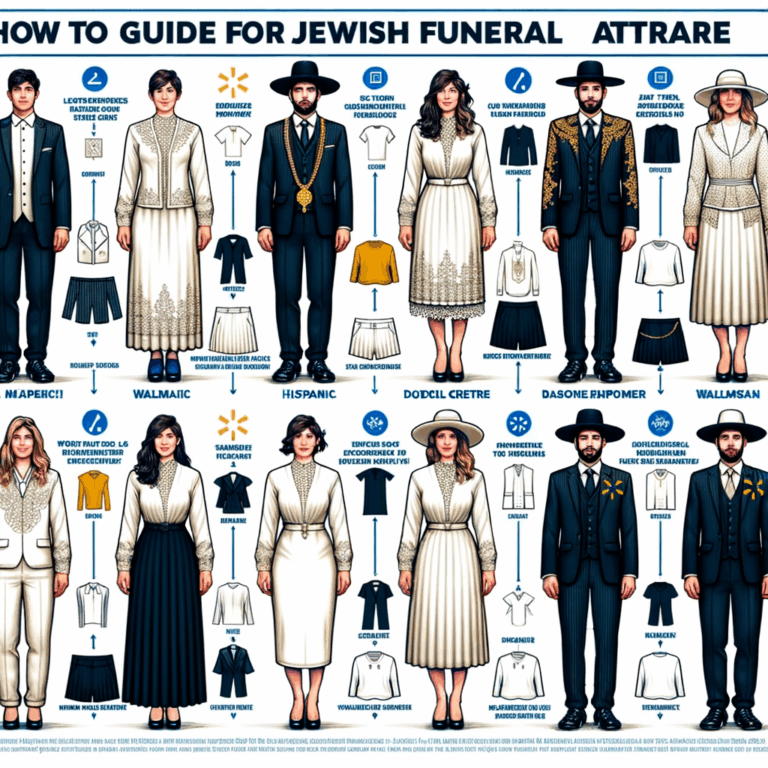
Jewish Funeral Attire: Elegant & Respectful Guide
When attending a Jewish funeral, selecting appropriate attire is a gesture of deep respect to the deceased and their loved ones. Let our comprehensive guide lead you through the essentials of proper funeral dress to ensure you convey elegance and reverence at such a solemn occasion.
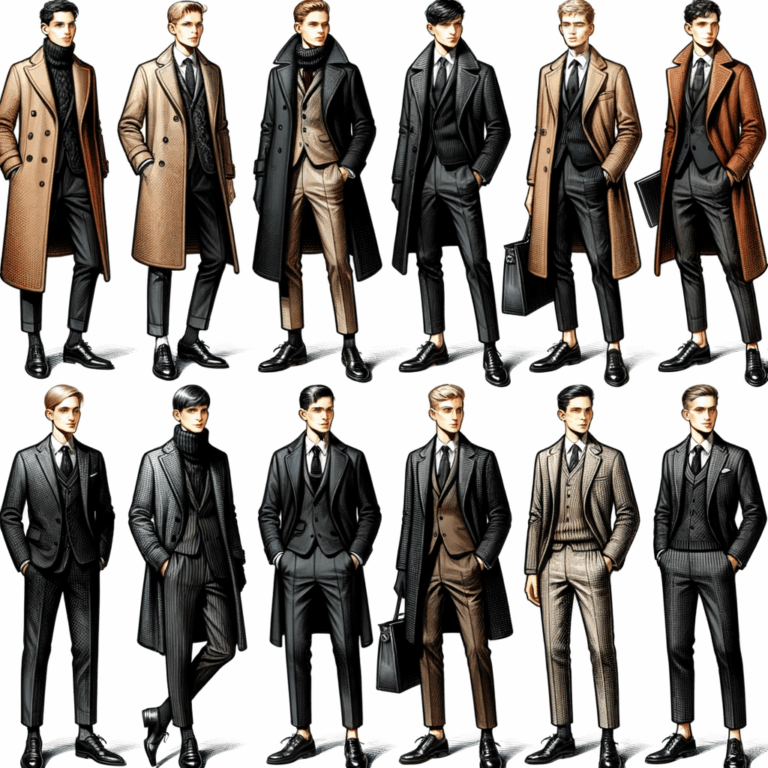
Stunning Outfits for Paul Bearers: Dress to Impress
As you step into the revered role of a paul bearer, discover how pairing the right wool coat with your ensemble can elevate your presence, blending solemn respect with your inherent style. Lets explore stunning, dignified outfits that honor both the occasion and your personal flair.

Funeral Attire Guide: Effortless, Respectful Outfits
Considering the question of what temperature to wear a leather jacket isnt just about style—its about ensuring comfort while showing reverence at a funeral. Let this guide help you pick an outfit that combines respect with personal expression, no matter the weather or setting.
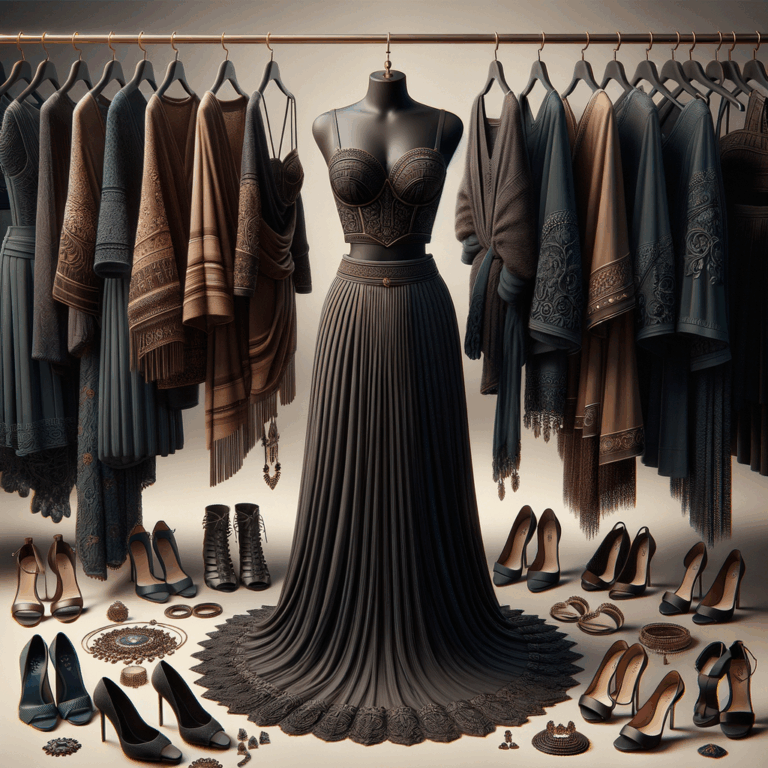
Discover the Best Outfits for Hindu Funerals in America
When considering what to wear with a bustier top for a Hindu funeral in America, the key is to balance high fashion with the solemnity of the occasion. By pairing your bustier top with a subdued, high-waisted skirt and a soft, draped shawl, you’ll strike the perfect chord of respect and style.
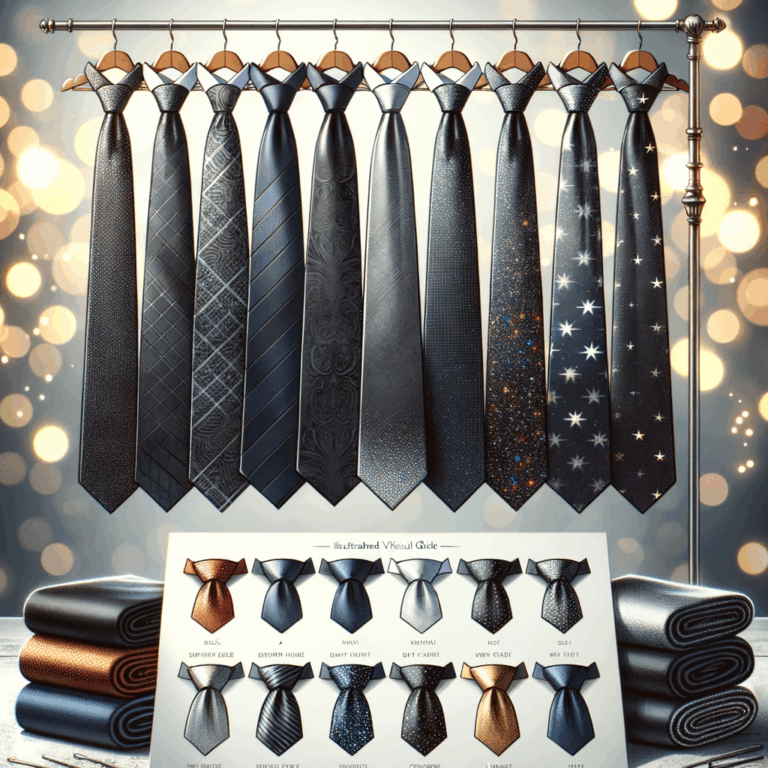
Must-Have Funeral Ties: Subtle & Respectful Choices
As we approach the chill of New Years Eve, remember that finding the perfect attire for any occasion, like selecting the right subtle and respectful tie for a funeral, reflects both your personal style and the events demands. Choosing a tie, though often overlooked, is key in showcasing respect and consideration—essential qualities at any gathering, whether somber or celebratory.
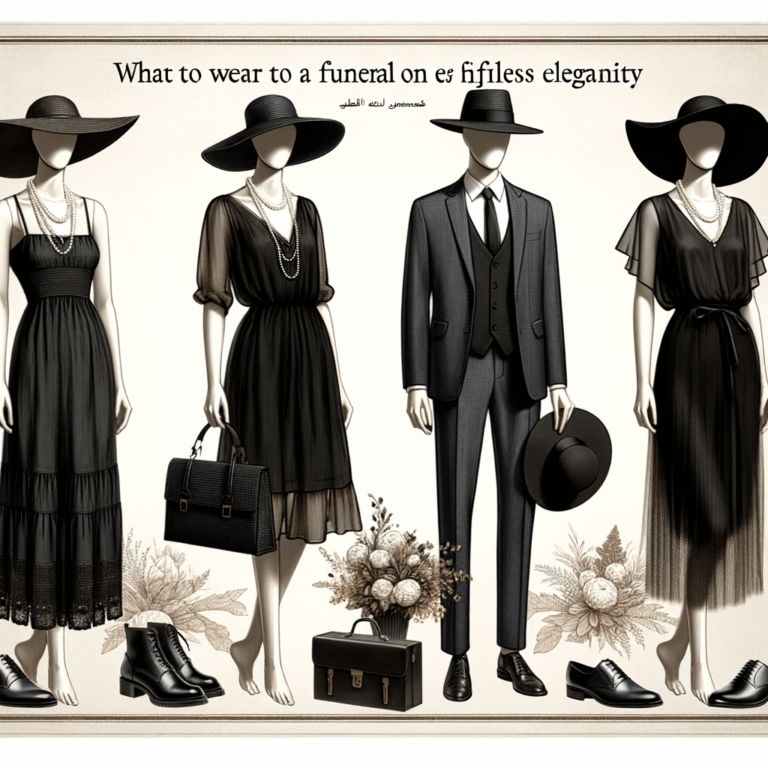
What to Wear to a Funeral on a Hot Day: Effortless Elegance
Navigating the delicate balance of what to wear to a funeral on a hot day can be challenging; our guide offers essential tips to maintain respectful sophistication while staying cool and composed at a summertime service.

What to Wear to a Cremation: Elegant, Respectful Choices
Navigating the delicate nuances of what to wear to a cremation ceremony can be daunting. Allow us to guide you through selecting attire that honors the occasion with dignity and grace, ensuring that you feel respectful and appropriately dressed.
 Gift shop