
[coveti_shop_v2]
Luxury fashion once centered on exclusivity through sameness, but today’s consumers crave the opposite. Fashion diversity now drives demand for unique designer pieces, with 19% higher innovation revenue for brands embracing inclusive practices. This shift reflects a fundamental change in what luxury means, moving from uniformity to celebrating individual expression through diverse styles, body types, and cultural influences. Understanding how diversity shapes luxury fashion helps you navigate a market where uniqueness defines status and personal style becomes the ultimate luxury statement.
Table of Contents
- Understanding The Impact Of Diversity On Luxury Fashion Demand
- Business Benefits Of Embracing Diversity In Luxury Fashion Brands
- Size Inclusivity And Representation: Breaking Barriers In Luxury Fashion
- How Fashion Diversity Shapes Individual Luxury Style Today
- Discover Unique Luxury Pieces That Celebrate Diversity
- Frequently Asked Questions
Key takeaways
| Point | Details |
|---|---|
| Diversity fuels unique luxury demand | Fashion-forward consumers seek uncommon styles that express individuality through diverse designer offerings. |
| Inclusive representation boosts sales | Size-inclusive marketing reduces fit uncertainty, increasing purchase confidence and conversion rates. |
| Innovation revenue increases 19% | Luxury brands with above-average diversity see measurable business benefits through creative innovation. |
| Size inclusivity reduces purchase risk | Diverse body representation in marketing lowers perceived risk for online luxury fashion purchases. |
| Individual style counters market slowdown | Bespoke customization and emerging designers emphasize quality over mass trends, sustaining luxury demand. |
Understanding the impact of diversity on luxury fashion demand
Your desire for luxury pieces that nobody else owns stems from a psychological need for uniqueness. Consumers’ need for uniqueness influences luxury fashion buying by driving higher purchase intentions among individuals seeking distinctive styles. This motivation transforms how you shop, pushing you toward diverse designers who offer pieces that stand apart from mainstream collections. When luxury fashion embraces diversity in aesthetics, cultural influences, and design philosophies, it directly satisfies your craving for originality.
Your social context matters too. Affiliation needs moderate how uniqueness influences your buying decisions, meaning you balance standing out with fitting into your desired social circles. Diversity in fashion supports this delicate equilibrium by offering varied styles that allow creative self-expression while maintaining luxury status signals. You can explore how to personalize luxury fashion unique style through choices that reflect both individuality and cultural awareness.
Bespoke customization exemplifies individuality-driven trends. When you commission a piece tailored to your specifications, you’re not just buying clothing but investing in wearable art that reflects your identity. This trend gained momentum as consumers rejected cookie-cutter luxury in favor of personalized experiences. The impact of emerging designer fashion becomes clear when you consider how new voices bring fresh perspectives that challenge established luxury conventions.
“Diversity in luxury fashion isn’t about checking boxes. It’s about expanding the creative palette so every consumer finds pieces that genuinely resonate with their identity and aspirations.”
Consider these ways diversity drives your luxury fashion choices:
- Cultural influences from global designers introduce silhouettes and techniques unavailable in traditional European luxury houses
- Varied aesthetic philosophies challenge the notion that luxury must conform to narrow beauty standards
- Diverse brand narratives create emotional connections beyond product features
- Uncommon materials and craftsmanship traditions offer alternatives to conventional luxury signifiers
Fashion diversity promotes both uniqueness and social connection simultaneously. You express individuality through distinctive pieces while participating in broader conversations about representation, authenticity, and evolving luxury values. This dual function makes diversity essential rather than optional in contemporary luxury markets.
Business benefits of embracing diversity in luxury fashion brands
Luxury brands that prioritize diversity see concrete financial returns. Research shows 19% increase in innovation revenue for companies with above-average diversity metrics. This correlation isn’t coincidental. Diverse teams generate more creative ideas because varied perspectives challenge assumptions and spark innovative design solutions. When brands recruit talent from different backgrounds, they access broader cultural knowledge that translates into products resonating with global luxury consumers.
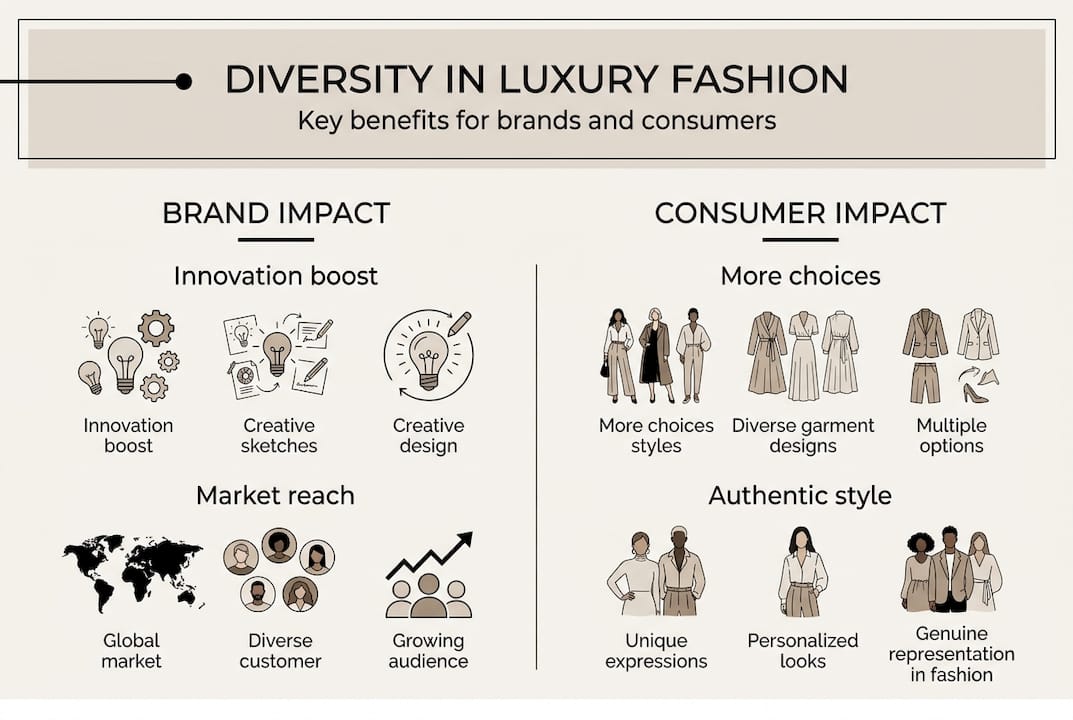
Innovation extends beyond product design into marketing, customer experience, and brand positioning. A diverse workforce identifies opportunities that homogeneous teams overlook, from untapped market segments to fresh storytelling approaches. You benefit directly when brands invest in diversity because it results in more interesting collections, better representation, and products that actually reflect your values and aesthetic preferences.
Brand relevance in global markets requires cultural fluency. Luxury consumers in Asia, the Middle East, Africa, and Latin America demand representation that honors their aesthetics and traditions. Brands ignoring this reality risk obsolescence as competitors capture market share through authentic engagement. The connection between luxury fashion innovation and individuality demonstrates how forward-thinking brands leverage diversity to stay culturally relevant.
| Diversity Metric | Business Impact | Revenue Correlation |
|---|---|---|
| Team composition | Higher creative output | 19% innovation revenue increase |
| Design perspectives | Broader market appeal | Expanded customer base |
| Cultural representation | Enhanced brand relevance | Improved global positioning |
| Inclusive practices | Stronger talent attraction | Sustained competitive advantage |
Pro Tip: Research a brand’s diversity initiatives before major purchases. Brands genuinely committed to diversity demonstrate it through leadership composition, designer collaborations, marketing representation, and supply chain practices, not just social media statements.
The financial case for diversity strengthens as luxury markets evolve. Traditional luxury consumers now share space with younger buyers who prioritize values alignment alongside product quality. Brands adapting to this shift secure long-term viability, while those clinging to outdated exclusivity models face declining relevance. Your purchasing power drives this transformation, making every buying decision a vote for the luxury industry’s future direction.
Size inclusivity and representation: breaking barriers in luxury fashion
Size-inclusive marketing fundamentally changes purchase behavior. Size-inclusive marketing on purchase decisions reduces fit risk perception, particularly for online luxury shopping where you can’t try items before buying. When brands feature models matching your body type, you gain confidence that garments will actually fit and flatter your figure. This psychological shift removes a major barrier to luxury fashion purchases, especially for higher-priced items where return hassles feel more consequential.
Representation progress shows in runway statistics. Fall/Winter 2025 runways: 46% models of color marks visible advancement from previous years when diversity remained tokenistic. While this milestone deserves recognition, it also highlights how recently the industry began addressing representation gaps. You benefit from this progress through broader style inspiration and validation that luxury fashion welcomes diverse beauty standards.
Challenges persist beyond surface-level representation. Size inclusivity often stops at XL, leaving many consumers excluded from luxury fashion entirely. Technical grading issues explain some limitations, but systemic bias plays a larger role. Luxury brands historically equated exclusivity with narrow size ranges, a mindset that contradicts modern understanding of luxury as personal expression rather than conformity. Breaking these barriers requires fundamental shifts in design processes, production systems, and brand philosophies.
| Traditional Approach | Size-Inclusive Approach | Consumer Impact |
|---|---|---|
| Thin models only | Diverse body types | Improved fit confidence |
| Limited size ranges | Extended sizing options | Broader accessibility |
| Aspirational imagery | Relatable representation | Reduced purchase anxiety |
| Exclusivity through restriction | Exclusivity through uniqueness | Enhanced brand loyalty |
Pro Tip: Prioritize brands offering detailed size charts, multiple model views, and transparent fit information. These practices indicate genuine commitment to size inclusivity beyond marketing rhetoric.
You can assess brand commitment through specific indicators:
- Size range availability across all product categories, not just select items
- Model diversity in editorial content and campaign imagery, not just token representation
- Customer reviews mentioning fit accuracy for various body types
- Return policies accommodating fit exploration without financial penalty
The connection between representation and sales proves that inclusivity isn’t charity but smart business. When you see yourself reflected in luxury fashion marketing, you’re more likely to purchase because the psychological distance between aspiration and reality shrinks. Brands understanding this dynamic gain competitive advantages through luxury fashion shopping process improvements that reduce friction and build trust with diverse consumer bases.
How fashion diversity shapes individual luxury style today
Diversity enables exploration of styles previously inaccessible through mainstream luxury channels. When designers from varied cultural backgrounds enter luxury fashion, they bring aesthetic traditions, craftsmanship techniques, and storytelling approaches that expand your style possibilities. You’re no longer limited to European fashion house conventions but can incorporate influences from African textile traditions, Asian silhouettes, Latin American color palettes, or Middle Eastern embellishment techniques into your luxury wardrobe.
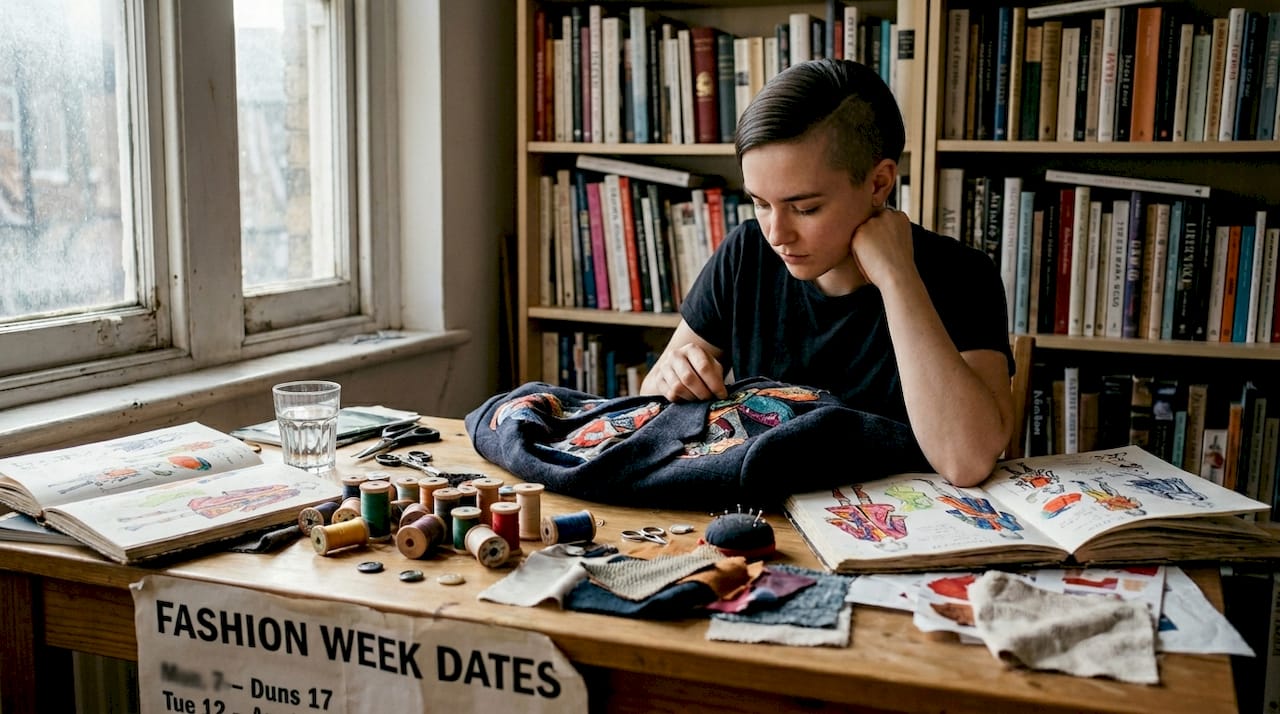
Bespoke customization trends empower individual expression at unprecedented levels. Fashion diversity enables celebration of diverse styles through individuality-driven trends like bespoke customization and emerging designers, countering luxury slowdown by emphasizing quality and uniqueness over mass market appeal. When you commission custom pieces, you control every design element, ensuring your wardrobe reflects your identity rather than a designer’s vision of who you should be.
Emerging designers from diverse backgrounds enrich options for discerning consumers. These designers often operate outside traditional luxury structures, allowing greater creative freedom and faster response to cultural shifts. You discover pieces that feel fresh and authentic rather than derivative of established luxury codes. Supporting emerging designers also aligns with values around innovation, accessibility, and challenging industry gatekeeping that historically limited who could participate in luxury fashion creation.
Luxury consumers increasingly seek unique quality over trend participation. This shift reflects maturity in luxury markets where status signaling through logo recognition gives way to connoisseurship based on design merit, craftsmanship excellence, and personal resonance. You demonstrate sophistication through thoughtful curation rather than brand name accumulation, a change that rewards diverse designers producing exceptional work regardless of heritage brand status.
Ways to embrace diversity in your luxury wardrobe:
- Research emerging designers from underrepresented regions and support their work through purchases
- Explore customization in luxury fashion options that allow personal input into design elements
- Mix pieces from established houses with emerging designer brands importance to create unique style combinations
- Seek out cultural influences outside your familiar aesthetic comfort zone
- Prioritize craftsmanship and design innovation over brand recognition alone
- Build relationships with diverse designers through trunk shows and direct purchasing
Your style becomes a living reflection of fashion’s diversity when you actively seek varied influences. This approach creates wardrobes that tell richer stories than collections built solely from traditional luxury sources. The result is personal style that feels genuinely yours rather than borrowed from magazine editorials or influencer feeds.
Discover unique luxury pieces that celebrate diversity
Your journey toward a more diverse luxury wardrobe starts with discovering brands and designers who prioritize individuality and representation. Luxury Handbags curates exclusive pieces from emerging and established designers worldwide, offering access to unique luxury items that embody the diversity principles discussed throughout this article. Each piece in the collection represents a commitment to celebrating varied aesthetics, cultural influences, and design philosophies.
Explore the luxury brand discovery list 2026 featuring bold designers pushing creative boundaries through innovative approaches to accessories, bags, jewelry, and shoes. These brands exemplify how diversity drives luxury fashion forward, offering pieces you won’t find through mainstream retail channels. When you’re ready to personalize luxury fashion unique style, Luxury Shoes ’s customization tools and designer collaborations provide pathways to create truly one-of-a-kind pieces.
Building a wardrobe that reflects your values and aesthetic vision requires access to diverse options. The luxury fashion essentials list guides you toward foundational pieces that work across contexts while maintaining the uniqueness that defines contemporary luxury. Each selection opportunity becomes a chance to support diversity in fashion while elevating your personal style.
Frequently asked questions
How does fashion diversity shape personal luxury style and demand?
Fashion diversity expands your style options by introducing varied cultural aesthetics, design philosophies, and craftsmanship traditions into luxury markets. This variety satisfies your need for uniqueness while providing pieces that resonate with your identity and values. Demand increases because diverse offerings allow you to build wardrobes reflecting personal taste rather than conforming to narrow luxury conventions.
How do luxury brands measure benefits from diversity initiatives?
Brands track diversity through innovation revenue metrics, market share growth in diverse consumer segments, employee retention rates, and creative output measures. Financial performance correlates strongly with diversity metrics, particularly the 19% innovation revenue increase for companies with above-average diversity. Customer feedback, brand perception studies, and social media engagement also provide qualitative measures of diversity initiative success.
What challenges prevent full size inclusivity in luxury fashion?
Technical grading complexities increase production costs when extending size ranges beyond standard measurements. However, systemic bias remains the larger barrier, with luxury brands historically equating exclusivity with restricted sizing. Manufacturing infrastructure built around limited size ranges requires significant investment to adapt. Changing these systems demands commitment beyond surface-level marketing, including redesigned production processes and supply chain modifications.
How can consumers support diversity in luxury fashion purchases?
Research brand diversity practices before purchasing, prioritizing companies demonstrating genuine commitment through leadership composition, designer collaborations, and inclusive marketing. Support emerging designers from underrepresented backgrounds by purchasing directly or through platforms featuring diverse talent. Share feedback with brands about representation and inclusivity, as consumer voices drive industry change. Choose quality and design merit over brand recognition alone, rewarding creativity regardless of designer heritage.
What emerging trends link diversity and bespoke luxury experiences?
Customization technology allows you to collaborate with diverse designers on personalized pieces incorporating your cultural references and aesthetic preferences. Virtual design consultations connect you with global talent regardless of geographic location. Made-to-order production reduces waste while ensuring perfect fit across all body types. Digital platforms democratize access to bespoke services previously available only through exclusive atelier relationships, making personalized luxury more accessible while celebrating diverse design perspectives.
Recommended
Related Posts

Diferența între rochii de zi și seară: ghid complet
Află diferența între rochii de zi și seară. Îndrumarea completă te ajută să alegi ținuta perfectă pentru orice ocazie elegantă!
Luxe kleding combineren: handleiding voor elke stijl
Ontdek onze luxe kleding combineren handleiding. Leer stijlvolle outfits samenstellen met essentiële basisstukken en slimme kleurcombinaties.

高端买手店区别全解析:选品、策展与选购指南
了解高端买手店区别,掌握选品、策展与选购技巧,提升购物决策,发现独特风格与价值。
Bedeutung einzigartiger Modestücke: Stil als Identität
Entdecke die Bedeutung einzigartiger Modestücke. Mode drückt Persönlichkeit aus und verbindet Identität mit Stil – ein spannender Blick auf deinen Ausdruck!
Cómo elegir piezas exclusivas de diseñador con criterio
Descubre cómo elegir piezas exclusivas de diseñador que reflejen tu estilo y personalidad. Invierte en moda atemporal y auténtica.

Resort Wear 2026: The Independent Designer Pieces Worth Packing

Why Independent Designers Own Resort 2026
The Pieces to Prioritise
The Statement Dress
The Bag That Travels
Shoes That Earn Their Place...

Beneficii ale modei sustenabile: ghid complet 2026
Descoperă beneficiile ale modei sustenabile în 2026. Află cum poți reduce impactul asupra mediului, economisind și adoptând un stil autentic.

Checklist para accesorios de fiesta: guía 2026
Descubre la checklist para accesorios de fiesta para 2026. Asegúrate de que tu evento sea inolvidable con nuestra guía completa y organizada.

Checkliste für 3D-Schuhdesign: Schritt für Schritt 2026
Entdecken Sie die umfassende Checkliste für 3D-Schuhdesign. Optimieren Sie Ihren Designprozess Schritt für Schritt und vermeiden Sie kostspielige Fehler!
Voordelen bijzondere sieraden: betekenis en exclusiviteit
Ontdek de voordelen bijzondere sieraden: unieke betekenis, emotionele waarde en duurzaamheid. Kies voor exclusiviteit en persoonlijke verhalen in jouw...

Men’s Belt Size Guide: How to Find Your Perfect Fit in 2026
Why Belt Sizing Trips People Up
How to Measure for a Belt
Belt Size Charts for 2026
US Belt Sizes
UK Belt Sizes
European Belt Sizes
B...
Luxuriöse Accessoires stylen: Tipps für 2026
Entdecke luxuriöse Accessoires Styling Tipps für 2026 und lerne, wie du mit der Drei-Accessoires-Regel jeden Look verfeinerst und überladene Styles...
 Gift shop