


Styling
Mastering Knitwear: Gauge, Silhouette and How to Wear It

By Gemma Deeks, Fashion Editor at Luxury Shoes
Most people own knitwear they don’t understand. They buy a sweater by colour and hope, then can’t work out why one knit elevates an outfit and another flattens it. The answer is almost never the colour. It is gauge, fibre and silhouette three variables that, once you can read them, make knitwear the most useful category in the wardrobe rather than the most confusing.
Read the gauge first
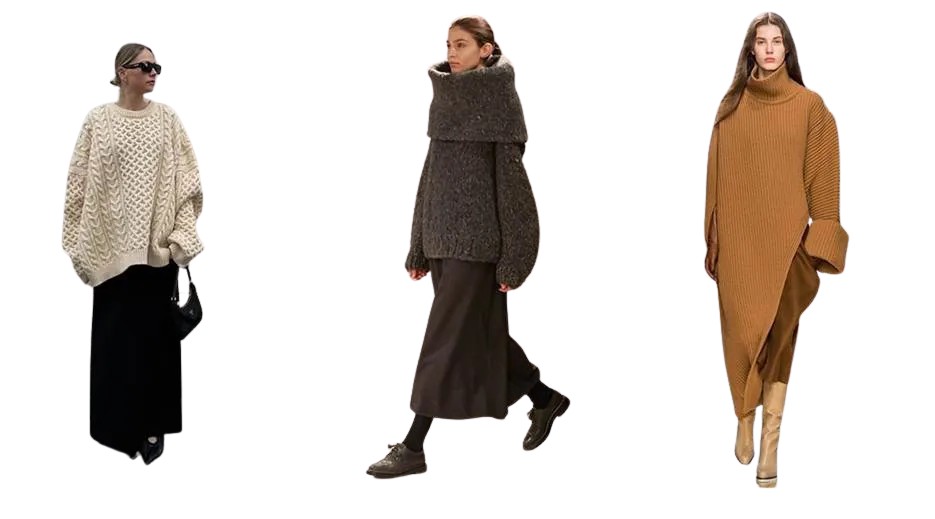
Gauge is the tightness of the knit, and it dictates everything else. Fine-gauge the thin, almost shirt-like knit is a layering piece: it goes under tailoring, replaces a blouse, sharpens. Chunky, low-gauge knit is outerwear that happens indoors: it stands alone, adds volume, and refuses to be tucked. Before you think about how to style a piece, decide which of these it is. Nine out of ten knitwear mistakes are a chunky knit being asked to behave like a fine one.
Then read the fibre
Cashmere drapes and holds warmth without bulk the dressier fibre, and the one with its own deep-dive in How to Style Cashmere. Merino and fine wool are the workhorses: more structure, more resilience, ideal for the everyday knit you wear three days a week. Cotton and blends sit lighter for transitional weather. Fibre is also where quality lives two-ply cashmere from Loro Piana or Brunello Cucinelli simply behaves differently to a thin single-ply, and the difference shows within a season.
The silhouettes, and what each one needs
The roll-neck. The most quietly powerful piece in knitwear fine-gauge under a coat or tailoring reads instantly considered. Keep everything around it lean.
The oversized crew. The Khaite signature: boxy, slightly severe, worn with a narrow line beneath rigid denim or a column skirt so the volume reads deliberate.
The cardigan. Treat it as a jacket, not an afterthought: buttoned as a top under a coat, or open over a slip dress in place of tailoring.
The knit vest. A layering multiplier over a fine shirt, under a coat that adds depth without heat.
The one styling rule
Knitwear looks expensive when one hard element interrupts it a sharp trouser crease, a leather boot, structured tailoring. Soft on soft on soft reads as loungewear however good the fibre. This is the same logic that runs through The Quiet Luxury Guide: contrast is what makes quality legible.
Frequently Asked Questions
What is knitwear gauge and why does it matter?
Gauge is how tight the knit is. Fine-gauge is a layering piece for under tailoring; low-gauge chunky knit is stand-alone, volume-adding outerwear-indoors. It dictates how a piece should be styled.
How do you style an oversized knit?
Pair it with a lean line rigid denim, a slim trouser or a column skirt and add one hard element such as a leather boot so the volume reads deliberate rather than bulky.
Which knitwear fibre is best?
Cashmere for drape and dressiness, merino or fine wool for everyday resilience, cotton blends for transitional weather. Two-ply construction outperforms thin single-ply within a season.
Can knitwear be dressy?
Yes a fine-gauge roll-neck under tailoring, or a cardigan worn in place of a jacket over a slip dress, reads as polished as a blouse and often more modern.
How do you stop knitwear looking like loungewear?
Interrupt the softness with one hard element sharp tailoring, a leather boot or a structured coat. Soft against soft is what reads as loungewear, not the knit itself.
Go deeper with How to Style Cashmere and Investment Pieces That Last, or shop luxury knitwear at Khaite and Totême.
Gemma Deeks, Fashion Editor at Luxury Shoes

Related Posts
How to Style a ROTATE Dress for Winter Parties and Weddings
A ROTATE dress does most of the work for you. How the Luxury Handbags team styles the sequin minis, the velvet maxis and the rose dresses for New Year, office parties and winter weddings, with the shoe, the coat and the tights that work.
ROTATE Autumn Winter 2026 and the Holiday Drop: What to Buy First
131 new ROTATE Birger Christensen pieces have landed at Luxury Shoes : the Autumn Winter 2026 collection and the Holiday drop. Lamb leather, faux fur, sequins in brown and dark red, silk velvet and roses. The twelve to buy first.
ROTATE Faux Fur Jackets and Coats: Which One to Buy for Autumn Winter 2026
Thirteen ROTATE faux fur jackets and coats, from the cropped Nougat jacket to the leopard coat, with the fabric, the fit and the price of each, and the answer to whether ROTATE faux fur is real fur. It is not.
The 9 Best ROTATE Sequin Dresses for Party Season 2026
Nine ROTATE sequin dresses for New Year, office parties and winter weddings, from the black mini to the floor-length brown maxi, with the fit, the lining and the price of each.
ROTATE Birger Christensen Size Guide: DK to UK, US and EU, and Which Pieces Run Large
ROTATE uses Danish numeric sizing, 32 to 46, which matches EU sizing: a DK 34 is a UK 6 and a US 2. Most pieces fit true to size; the oversized knits run large. The full chart, the letter sizes, and the pieces to size up and down.
New at Strathberry for Autumn 2026: The Sway, Loch Blue Suede, Burgundy and the Cashmere Edit
The Strathberry autumn 2026 arrivals at Luxury Shoes : the Sway, suede Kites, Loch Blue, Burgundy, Westray cashmere and silk charms.
Strathberry Cashmere: The Westray Collection Guide (Made in Scotland)
Strathberry's Westray cashmere, knitted in Scotland: every piece, colour and price, with care and styling.
How Much Are Strathberry Bags? A 2026 Price Guide by Style
Every Strathberry bag priced by style, from the Osette Midi Pouch to the Tote, with sizes and the autumn 2026 accessories.
Which Strathberry Bag Should You Buy? The Best Styles for Everyday, Work, Evening and Gifting
The best Strathberry bag for everyday wear, work, evenings and gifting, answered directly with sizes and prices.
Strathberry Kite Tote and Kite Hobo: The Complete Guide to the Kite Family
The Kite is Strathberry's soft-structured family. Tote, Tote Midi, Hobo, Hobo Maxi, Sling and on a Chain compared by size, price and use.
Strathberry Mosaic Bag Review: Nano vs Bag vs Cabas, Sizes, Prices and What Fits
The Mosaic is the Strathberry you see most. Nano, Bag, Shoulder and Cabas compared by size, what fits, price and colour, with the autumn 2026 additions.
Strathberry vs Polène: Price, Quality and Which Bag to Buy
Edinburgh's Music Bar against Paris's folded leather. An editor's comparison of Strathberry and Polène on price, making, design and which to buy.