

[coveti_shop_v2]
Designer shoes have quietly emerged as an unexpected investment frontier, with limited-edition luxury sneakers averaging 118% ROI and outpacing many traditional assets. While most fashion enthusiasts view designer footwear purely as wardrobe essentials, a growing segment recognizes their dual role as wearable art and potential financial assets. This guide explores the investment potential of designer shoes, examining both the compelling returns from exclusive releases and the practical realities of depreciation, maintenance, and market volatility. You’ll discover how to balance style aspirations with smart investment strategies, understand which shoe categories hold value best, and learn actionable steps to protect your luxury footwear investments while enjoying their exclusivity.
Table of Contents
- Key takeaways
- The rising investment potential of limited-edition luxury sneakers
- Understanding risks and limitations of designer shoe investments
- How designer shoes blend exclusivity, craftsmanship, and personal style value
- Strategies for investing wisely in designer shoes
- Discover exclusive luxury accessories and designer brands at Luxury Shoes
- Frequently asked questions
Key Takeaways
| Point | Details |
|---|---|
| Limited edition ROI | Limited edition luxury sneakers average 118 percent ROI with strong gains on top releases, highlighting substantial investment potential. |
| Market growth outlook | The resale market is projected to rise from $7.4 billion in 2024 to $17.9 billion by 2033 at a 10.2 percent CAGR. |
| Value drivers | Extreme rarity, high profile collaborations, cultural moments, pristine condition, and strong brand heritage collectively drive higher resale value. |
| Risk awareness | Wear and maintenance costs reduce value, and illiquidity along with trend volatility can limit timely exits. |
The rising investment potential of limited-edition luxury sneakers
Limited-edition luxury sneakers have fundamentally shifted the designer shoe investment landscape, delivering returns that rival traditional collectibles. The average resale value increase of $664 represents 118% ROI across popular limited releases, far exceeding the performance of most conventional designer footwear. More impressively, the top 10 influential sneakers between 2020 and 2024 generated $33,197 in profit with 218% ROI, demonstrating that strategic acquisitions in this category can produce substantial financial gains.
The luxury sneaker resale market continues its explosive trajectory, with projections showing growth from $7.4 billion in 2024 to $17.9 billion by 2033 at a 10.2% compound annual growth rate. This expansion reflects both cultural momentum and increasing recognition of sneakers as legitimate investment vehicles. Collaborations between heritage luxury houses and streetwear icons create perfect storms of desirability, combining established brand equity with limited availability and cultural relevance.
Several factors drive sneaker investment value beyond simple scarcity. Brand collaboration strength matters enormously, as partnerships like Dior x Air Jordan 1 or Louis Vuitton x Nike merge luxury craftsmanship with street credibility. Cultural status plays an equally critical role, with celebrity endorsements, music video appearances, and social media virality amplifying demand and resale premiums. Authentication and condition remain paramount, as even minor flaws or questionable provenance can devastate value.
Key drivers of luxury sneaker investment returns:
- Extreme rarity through intentionally limited production runs
- High-profile brand collaborations merging luxury and streetwear
- Cultural moments and celebrity associations boosting desirability
- Pristine condition with original packaging and documentation
- Strong brand heritage from established luxury houses
Understanding essential sneaker terminology helps investors navigate this specialized market effectively. The intersection of fashion, culture, and finance creates unique opportunities for those willing to research release calendars, authentication methods, and market trends. For enthusiasts exploring this category, examining designer sneakers that reinterpret classic silhouettes reveals how luxury brands balance innovation with timeless appeal.
| Sneaker Category | Average ROI | Investment Horizon | Risk Level |
|---|---|---|---|
| Limited luxury collaborations | 150-250% | 2-4 years | High |
| Heritage brand releases | 50-100% | 3-5 years | Medium |
| Standard designer sneakers | 0-30% | 5+ years | Low |
Pro Tip: Focus your investment strategy on authenticated limited releases from brands with proven heritage and cultural relevance. Verify authenticity through reputable authentication services before purchase, and maintain pristine condition by never wearing investment pieces.
Understanding risks and limitations of designer shoe investments
While limited-edition sneakers show impressive returns, the broader designer shoe category presents significant investment challenges that temper enthusiasm. Luxury shoes generally depreciate with wear and require costly maintenance that erodes potential financial gains, making them better suited as lifestyle purchases than pure investments. Even with careful handling, leather degrades, soles wear down, and fashion trends shift, creating multiple pathways to value loss.
The risk profile of designer shoes differs markedly from other luxury categories. Research confirms that watches and jewelry consistently outperform handbags and shoes in investment returns, offering superior liquidity, durability, and cultural staying power. Precious metals and mechanical movements withstand time better than leather and fabric, while gemstones face no equivalent to changing hemlines or silhouette preferences.
Critical investment risks to evaluate:
- Rapid trend cycles making today’s coveted styles tomorrow’s outdated inventory
- Counterfeit market sophistication reducing buyer confidence and resale values
- Limited resale channels compared to watches, jewelry, or art
- Maintenance costs including resoling, cleaning, and proper storage
- Physical degradation from environmental factors even without wear
The counterfeit challenge particularly impacts designer shoe investments, as sophisticated replicas flood secondary markets and create authentication uncertainty. Even authenticated pieces face difficult resale processes, with consignment shops taking substantial commissions and private sales requiring extensive vetting and negotiation. Unlike stocks or bonds, you cannot instantly liquidate designer shoes at transparent market prices.
Trend volatility amplifies these challenges, as styles that command premiums today may become fashion footnotes within seasons. Platform heels, exaggerated proportions, and seasonal colorways all carry higher obsolescence risk than classic silhouettes. Understanding why designer brands matter beyond trends helps identify pieces with lasting appeal, while exploring investment potential in designer bags reveals parallel lessons about balancing lifestyle enjoyment with financial considerations.
Maintenance requirements create ongoing financial drains that pure investments avoid. Professional cleaning, resoling, and proper climate-controlled storage all incur costs that reduce net returns. A $1,200 pair of heels requiring $300 in maintenance over five years needs substantial appreciation just to break even, before considering opportunity costs.
Pro Tip: Regular professional maintenance preserves both wearability and potential resale value. Establish relationships with specialized luxury shoe repair services, invest in proper storage solutions with humidity control, and document all maintenance with receipts to demonstrate care history to future buyers.
How designer shoes blend exclusivity, craftsmanship, and personal style value
Beyond financial metrics, designer shoes deliver intangible returns through exceptional craftsmanship, exclusivity, and the confidence that comes from wearing meticulously crafted footwear. These lifestyle benefits often justify investment independent of resale potential, transforming shoes from mere accessories into expressions of personal aesthetic and appreciation for artisanal excellence.
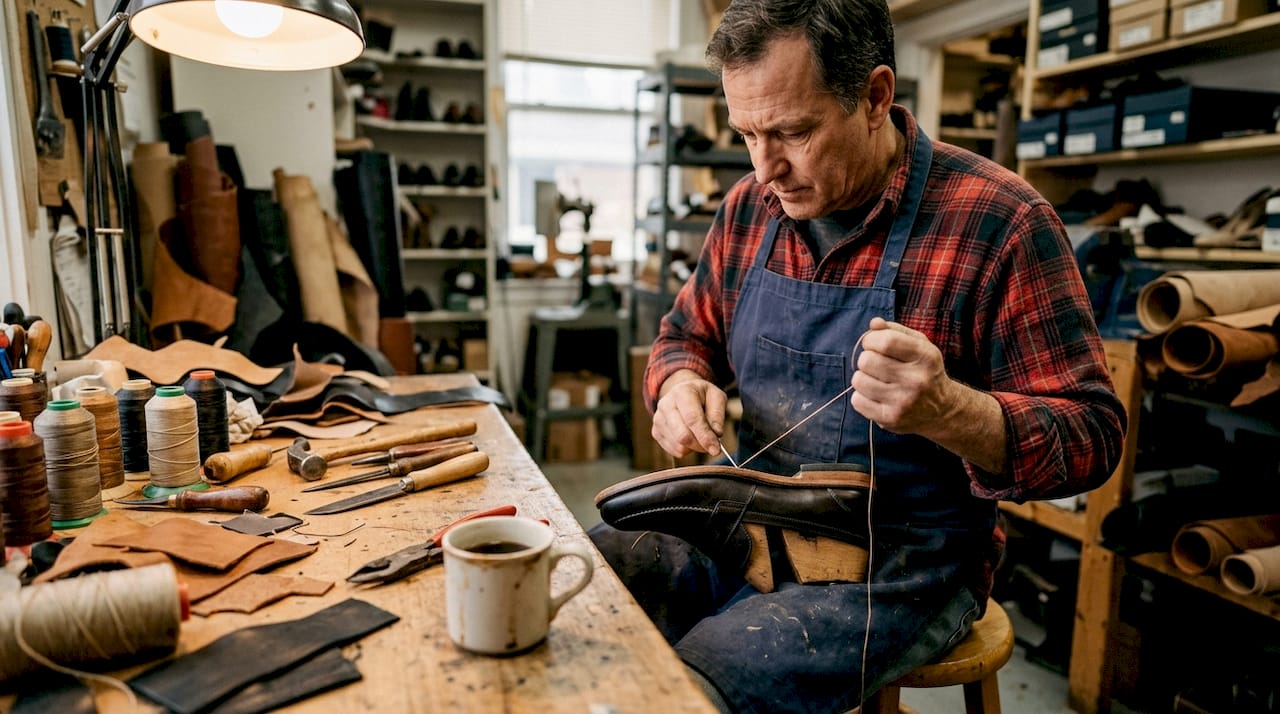
Luxury shoemakers employ techniques refined over generations, with hand-lasted construction, hand-painted finishes, and materials sourced from the world’s finest tanneries. Italian workshops producing for brands like Manolo Blahnik or Christian Louboutin maintain centuries-old traditions, where individual craftspeople spend hours on single pairs. This human artistry creates subtle variations and quality levels impossible to replicate through mass production, imbuing each pair with unique character.
Exclusivity amplifies desirability beyond craftsmanship alone. Limited production runs, seasonal exclusives, and made-to-order services ensure that your designer shoes remain rare sightings rather than ubiquitous commodities. This scarcity creates social currency at events where fashion literacy matters, signaling both taste and access to exclusive retail channels. For special occasions, weddings, galas, or milestone celebrations, the right designer shoes complete ensembles in ways mass-market alternatives cannot match.
The intersection of function and fashion elevates designer shoes to wearable art. Sculptural heels, innovative materials, and avant-garde silhouettes push boundaries while maintaining wearability. Brands like Luxury Handbags showcase designers who treat footwear as canvases for creative expression, balancing artistic vision with practical comfort considerations. Understanding what defines true luxury accessories helps appreciate the thoughtfulness behind each design decision.
Key features defining luxury designer shoes:
- Premium materials including exotic leathers, precious metal hardware, and hand-selected fabrics
- Artisanal construction techniques requiring specialized skills and extended production time
- Limited availability through controlled distribution and small production batches
- Heritage brand provenance with documented craftsmanship traditions
- Design innovation balancing artistic expression with functional wearability
The personal style value extends beyond single wearing occasions. Owning thoughtfully curated designer shoes builds a versatile wardrobe foundation that elevates countless outfits over years. A classic pump or elegant flat becomes a reliable style anchor, while statement pieces provide creative flexibility for expressing mood and personality. This utility, combined with the pleasure of owning beautiful objects, creates returns that balance sheets cannot capture.
Recognizing why exclusive luxury matters for individuality reframes the investment question entirely. If designer shoes deliver years of confidence, compliments, and aesthetic pleasure, their value transcends simple financial appreciation. The key lies in honest assessment of your priorities, balancing monetary considerations with lifestyle enrichment.
Strategies for investing wisely in designer shoes
Successful designer shoe investment requires systematic approaches that maximize potential returns while minimizing common pitfalls. Following structured strategies helps you navigate authentication challenges, market volatility, and maintenance requirements that separate profitable investments from expensive mistakes.
Step-by-step investment approach:
- Research brand heritage and resale performance across multiple market cycles
- Verify authenticity through certified authentication services before purchase
- Focus on limited editions with documented scarcity and cultural relevance
- Assess condition meticulously, prioritizing unworn or minimally worn examples
- Secure proper storage with climate control and protection from light exposure
- Document provenance including original receipts, packaging, and authentication certificates
- Monitor market trends through resale platforms and collector communities
- Time sales strategically around cultural moments or brand anniversaries
Condition preservation separates successful investments from value-destroying mistakes. Store shoes in original boxes with acid-free tissue, maintain consistent temperature and humidity levels, and avoid direct sunlight that fades materials. For pieces you occasionally wear, rotate usage to distribute stress evenly and address minor issues immediately before they escalate. Professional resoling, edge refinishing, and leather conditioning extend lifespan while maintaining aesthetic appeal.
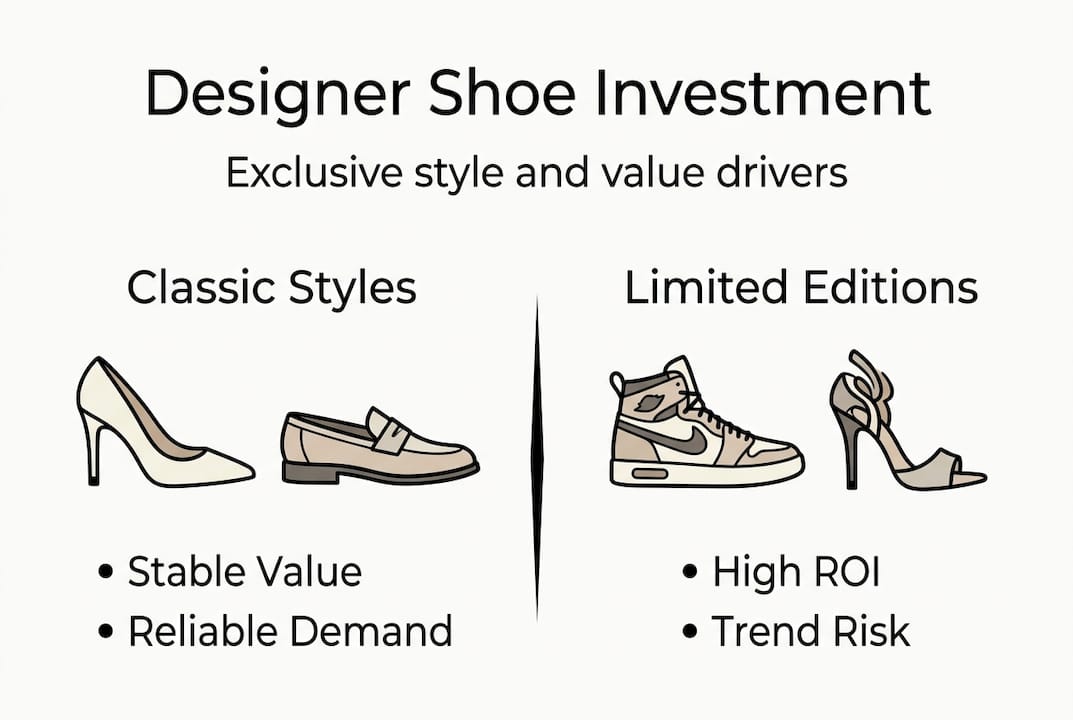
The classic versus trendy decision fundamentally shapes risk and return profiles. Classic designs from heritage brands offer steadier, more predictable value retention with lower volatility, while trendy pieces present higher upside potential balanced against obsolescence risk. Understanding this tradeoff helps align purchases with your risk tolerance and investment timeline.
| Shoe Type | Appreciation Potential | Value Stability | Liquidity | Best For |
|---|---|---|---|---|
| Limited sneaker collabs | Very High | Low | Medium | Risk-tolerant investors |
| Classic heritage pumps | Low to Medium | High | Medium | Lifestyle-focused buyers |
| Seasonal trendy styles | Low | Very Low | Low | Pure fashion enjoyment |
| Iconic signature designs | Medium | Medium-High | High | Balanced approach |
Diversification applies to shoe investments as it does to financial portfolios. Mix lifestyle pieces you genuinely enjoy wearing with potential appreciation plays kept in pristine condition. This balanced approach delivers immediate utility while maintaining upside exposure, and the post-COVID sneaker market shows maturation with portfolio diversification benefits for investors treating footwear as an asset class.
Market awareness separates informed investors from reactive buyers. Follow release calendars from major brands, track auction results for comparable pieces, and engage with collector communities sharing intelligence about emerging trends. Cultural moments like album drops, film releases, or brand anniversaries create temporary demand spikes that savvy investors anticipate. Exploring comprehensive designer brand selection guides builds knowledge about which houses consistently deliver investment-grade pieces, while reviewing seasonal shoe edits reveals how trends evolve and which styles demonstrate staying power.
Pro Tip: Consider broader cultural trends and moments when evaluating sneaker investment timing. Album releases from influential artists, major sporting events, and brand milestone anniversaries often trigger demand surges that create optimal selling windows for related footwear collaborations.
Discover exclusive luxury accessories and designer brands at Luxury Shoes
Elevating your wardrobe with thoughtfully selected designer shoes requires access to curated collections from both established houses and emerging talents pushing creative boundaries. Luxury Handbags specializes in connecting discerning fashion enthusiasts with exclusive luxury accessories that balance investment potential with personal style expression.
Our platform showcases carefully vetted designers whose footwear combines exceptional craftsmanship with distinctive aesthetic visions, offering pieces unavailable through mainstream retail channels. Whether you seek limited-edition sneakers with appreciation potential or timeless classics for special occasions, Luxury Handbags provides expert curation that simplifies discovery. Explore our 2026 luxury brand discovery list featuring bold, exclusive accessories from independent designers worldwide, or dive into our comprehensive guide to choosing designer brands that align with your style philosophy and investment criteria. For immediate wardrobe enhancement, browse our must-have luxury fashion essentials that deliver versatility and enduring appeal.
Frequently asked questions
Are designer shoes a good investment compared to other luxury items?
Designer shoes generally underperform watches, jewelry, and even handbags as pure financial investments due to wear depreciation and maintenance costs. Limited-edition luxury sneakers represent a notable exception, with top collaborations delivering returns exceeding 200% over multi-year periods. For most buyers, designer shoes function best as lifestyle assets that provide style value and personal enjoyment rather than portfolio diversification.
What should I consider before investing in designer shoes?
Prioritize authentication through reputable services, as counterfeits significantly impact the secondary market. Assess condition meticulously, understand ongoing maintenance costs, and research resale demand for specific models before purchasing. Focus on timeless designs from heritage brands rather than highly trendy styles that face rapid obsolescence, and ensure you have proper storage infrastructure to preserve condition.
How can I maintain the value of my designer shoes?
Store shoes in climate-controlled environments away from direct sunlight, using original boxes and acid-free tissue for protection. Engage professional cleaning and resoling services rather than attempting DIY repairs that may damage materials or reduce authenticity perception. Limit wear to special occasions for investment pieces, and maintain comprehensive documentation including receipts, authentication certificates, and maintenance records.
Are limited-edition sneakers a better investment than classic styles?
Limited-edition sneakers often deliver substantially higher ROI but carry greater volatility and trend risk compared to classic styles. Top collaborations can appreciate 150-250% within years, while classic pumps or loafers typically retain 50-80% of purchase price with proper care. Your choice should reflect risk tolerance, with limited editions suiting aggressive investors and classics appealing to lifestyle-focused buyers seeking stable value retention.
How do I know if a designer shoe will appreciate in value?
Look for extreme scarcity through documented limited production, strong brand collaboration pedigree, and cultural relevance through celebrity associations or historical significance. Verify authentication and pristine condition, as even minor flaws dramatically impact resale values. Monitor resale platforms for comparable sales data, and prioritize brands with proven track records of secondary market performance rather than speculating on unknown designers.
Recommended
Related Posts

Luxuriöse Accessoires stylen: Tipps für 2026
Entdecke luxuriöse Accessoires Styling Tipps für 2026 und lerne, wie du mit der Drei-Accessoires-Regel jeden Look verfeinerst und überladene Styles...
Pași pentru alegerea rochiei de nuntă: ghid 2026
Află pașii pentru alegerea rochiei de nuntă ideale. Ghidul nostru 2026 îți oferă sfaturi utile pentru confort și eleganță în ziua cea mare.
个性化高端鞋定制攻略:从脚型到风格的完整指南
探索个性化高端鞋定制攻略,获取脚型到风格的全面指导,打造属于你的时尚奢华鞋履。
Hoe personaliseer je 3D schoenen: complete gids
Ontdek hoe personaliseer je 3D schoenen in deze complete gids. Maak unieke en duurzame schoenen die echt bij jouw stijl passen!
Pasos para crear looks únicos: guía práctica de estilo
Descubre los pasos para crear looks únicos que reflejan tu estilo personal. Organiza tu armario y experimenta con tu ropa para brillar.

The Best Gifts for Men in 2026: Independent Designer Picks

Why Independent Designer Gifts Land Differently
The Gift Categories Worth Exploring in 2026
Statement Outerwear
Bags and Accessories
Sh...
The Best Ganni Dresses to Buy
The Luxury Handbags edit of the best Ganni dresses, from printed and smock shapes to satin party pieces.
The Best Ganni Jeans: Stary, Audri and Every Cut
A guide to Ganni jeans cut by cut, from the Stary and Audri to the Betzy and baggy fits, with sizing help.
Ganni Sizing Guide: Does Ganni Run True to Size?
The full Ganni sizing guide, with a UK conversion chart, fit notes, and how the denim is sized.
Is Ganni Worth It? An Honest Buyer’s Guide
Is Ganni worth the money? An honest look at the quality, the price, and who the Copenhagen label actually suits.
Ce înseamnă timeless elegance: ghid complet 2026
Află ce înseamnă timeless elegance și cum poți construi o garderobă atemporală. Descoperă secretele unui stil vestimentar care nu se demodează!
Rol van schoenen bij galafeest: stijl en comfort
Ontdek de rol van schoenen bij galafeest. Maak een stijlvol en comfortabel statement met de juiste keuze voor elke gelegenheid.
 Gift shop