
[coveti_shop_v2]
TL;DR:
- Today’s luxury fashion values uniqueness over price and logos.
- Scarcity and craftsmanship create genuine, lasting value in luxury items.
- Personalization and exclusivity are key to expressing individuality and maintaining brand integrity.
Most people assume luxury is about price tags and recognizable logos. That assumption is worth questioning. The real currency of luxury fashion today is uniqueness, and consumers’ need for uniqueness positively influences purchase intentions for luxury fashion brands in measurable, statistically significant ways. Affluent buyers are no longer satisfied with owning something expensive. They want something that feels entirely their own. This article walks you through the psychology behind that shift, the mechanics of scarcity and craftsmanship, the rise of personalization, and the real risks that come when luxury tries to be everything to everyone.
Table of Contents
- Redefining luxury: Why uniqueness matters more than price or status
- Scarcity, craftsmanship, and the mechanics of luxury value
- Personalization and individuality: The rise of custom luxury
- The exclusivity dilemma: Affordability, accessibility, and brand integrity
- Why defending uniqueness is the future of luxury fashion
- Discover exclusive luxury accessories curated for individuality
- Frequently asked questions
Key Takeaways
| Point | Details |
|---|---|
| Uniqueness fuels desire | Exclusivity and individuality are the biggest drivers of modern luxury fashion purchases. |
| Scarcity creates value | Limited production and craftsmanship increase demand and perceived status of luxury items. |
| Personalization is power | Custom, bespoke, and subtle design choices allow you to create luxury that truly reflects who you are. |
| Brand integrity matters | True luxury brands balance accessibility without sacrificing the core value of uniqueness. |
Redefining luxury: Why uniqueness matters more than price or status
For decades, luxury was shorthand for status. The right logo, the right label, the right price point. But something has shifted, and it runs deeper than trend cycles. Today’s most discerning buyers are driven by a psychological need that researchers call NFU, or Need for Uniqueness. It is the desire to stand apart, to own something that reflects who you are rather than what you can afford.
The data is striking. NFU significantly predicts luxury purchase intention with a beta coefficient of 0.664 (p < 0.001), and this effect is amplified by FoMO among Millennials and Gen Z. In plain terms, the fear of missing out on something rare and personal makes unique luxury even more desirable for younger affluent consumers.
What motivates the pursuit of exclusive luxury pieces? The core psychological drivers include:
- Self-expression: Wearing something no one else has is a form of personal language.
- Identity reinforcement: Unique pieces align with how you see yourself, not how others define status.
- Avoidance of similarity: The discomfort of showing up in the same bag or coat as someone else is real and motivating.
- Emotional ownership: Rare items feel more personally meaningful, creating a deeper connection to the piece.
Interestingly, status consumption and NFU are conflicting drivers in luxury fashion. Status seeking is about signaling to others. NFU is about satisfying an internal sense of self. These two motivations can pull in opposite directions, and the brands that understand this distinction are the ones winning with today’s affluent audience.
“The most forward-thinking luxury houses are no longer selling status. They are selling the feeling of being irreplaceable.”
This is exactly why quiet luxury trends have gained so much traction. Discreet branding, understated silhouettes, and exceptional materials speak directly to NFU without shouting a logo. The message shifts from “look what I can afford” to “look who I am.”
Scarcity, craftsmanship, and the mechanics of luxury value
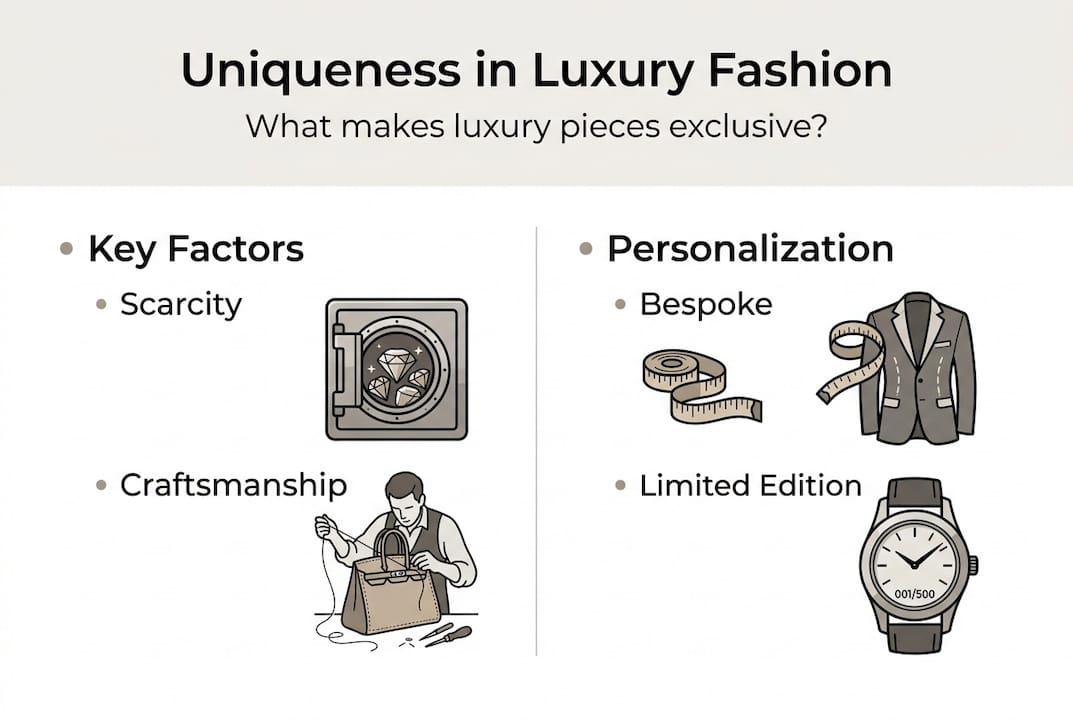
Understanding why uniqueness matters is one thing. Understanding how luxury brands engineer it is another. Two forces sit at the center of this: scarcity and craftsmanship. Together, they transform a beautiful object into something with genuine, lasting value.
Scarcity and limited production enhance perceived value in luxury, rooted in commodity theory. Hermès is the clearest example. The Birkin bag requires hours of skilled artisan labor, is produced in controlled quantities, and has waitlists that stretch years. That scarcity is not accidental. It is a deliberate strategy that keeps desire perpetually ahead of supply.
Here is how luxury production compares to mass-market approaches:
| Factor | Luxury production | Mass-market production |
|---|---|---|
| Volume | Deliberately limited | Maximized for scale |
| Craftsmanship | Artisan, often handmade | Automated, standardized |
| Materials | Rare, premium sourced | Cost-optimized |
| Availability | Waitlists, exclusive channels | Widely accessible |
| Perceived value | Increases with scarcity | Decreases with overexposure |
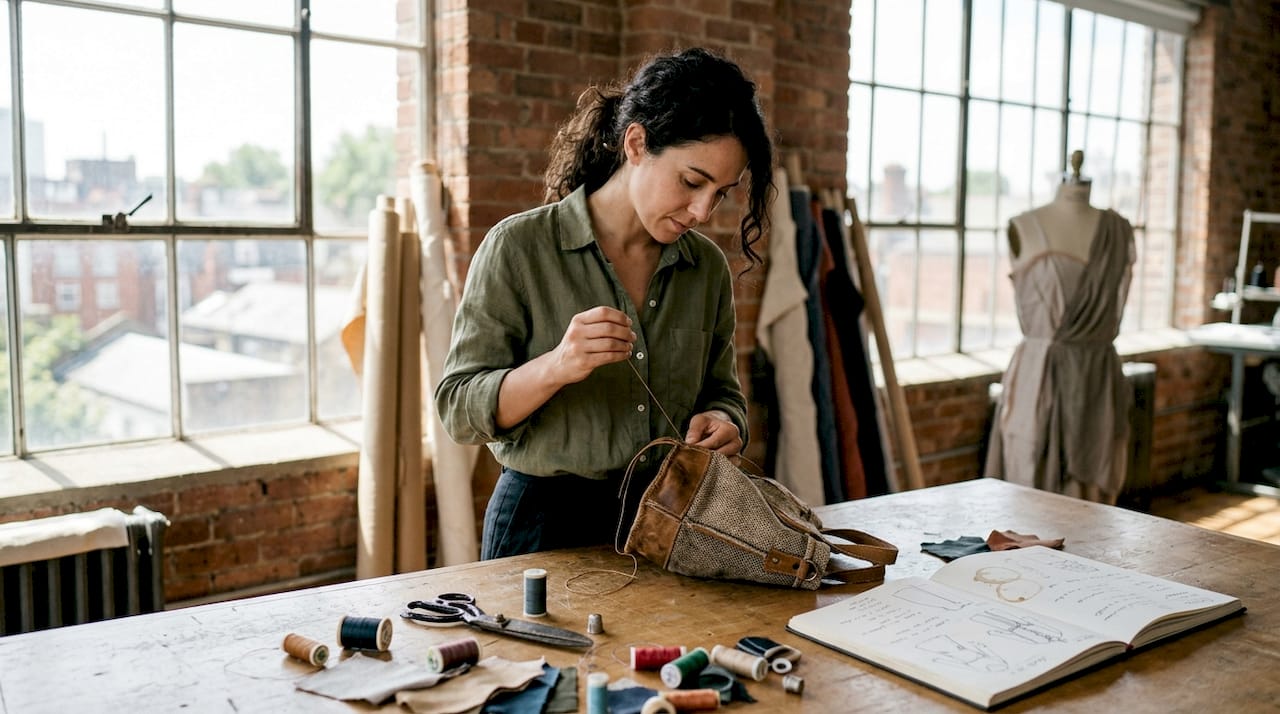
Craftsmanship adds another layer. Imperfections signal authenticity and uniqueness, differentiating luxury from mass-produced or AI-generated items. A slight variation in hand-stitching, a subtle irregularity in a hand-dyed leather, these are not flaws. They are proof of human touch. They tell you something real was made by someone who cared.
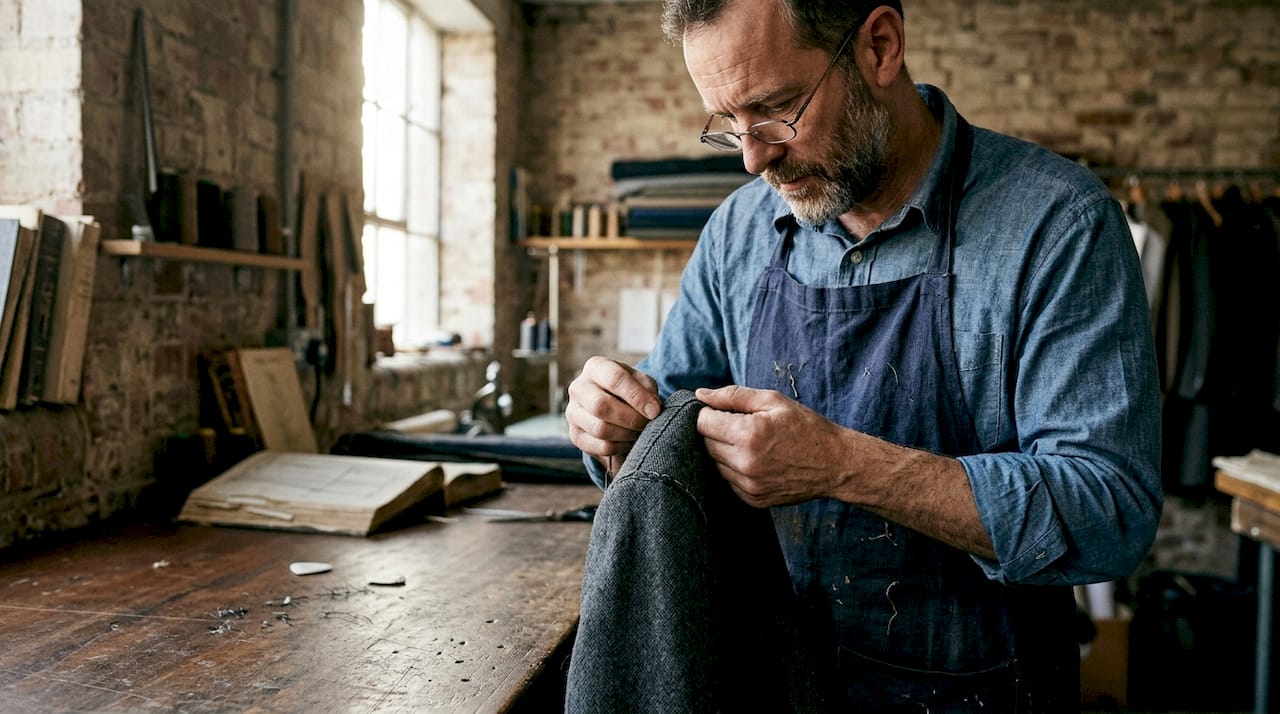
Pro Tip: When evaluating authentic luxury pieces, look for the small inconsistencies that machines cannot replicate. Uniform perfection is often a sign of mass production, not artisan craft.
The democratization of luxury complicates this picture. As more brands expand access through entry-level products or wider distribution, the perceived value of their core offerings can erode. Some argue this broadens appreciation for craftsmanship. Others see it as a dilution of the very exclusivity that made those brands worth desiring. When thinking about investing in designer shoes or any luxury item, understanding where a brand sits on this spectrum matters enormously.
Personalization and individuality: The rise of custom luxury
Scarcity creates uniqueness at the brand level. Personalization creates it at the individual level. And for today’s affluent consumer, the ability to shape a piece around your own identity is increasingly non-negotiable.
Luxury brands balance uniqueness via personalization, limited editions, and quiet luxury to meet this demand. From monogrammed leather goods to fully bespoke tailoring, the spectrum of customization is wide. But not all personalization is equal.
Here are practical ways to infuse genuine uniqueness into your luxury wardrobe:
- Commission bespoke tailoring: A suit or dress made to your exact measurements and preferences is the ultimate expression of luxury customization.
- Choose rare materials: Request unusual leathers, heritage fabrics, or sustainably sourced textiles that are not available in standard collections.
- Collaborate with independent designers: Emerging designers often offer more flexibility for custom work than established houses.
- Opt for limited edition colorways: Even within a standard silhouette, a rare color or finish sets your piece apart.
- Add subtle personal details: Interior monograms, custom hardware finishes, or bespoke lining fabrics add individuality without overwhelming the design.
Luxury shifts to quality and self-expression over status for Gen Z and Millennials, and uniqueness through bespoke, sustainable items aligns naturally with this shift. The key is intentionality. Every custom choice should feel like a reflection of your personal vision, not a collection of add-ons.
Pro Tip: When personalizing luxury fashion, resist the urge to customize every element. Over-personalization can fragment the design’s coherence and actually dilute the luxury signal. Choose one or two meaningful details that feel authentically yours.
The distinction between mass customization and true bespoke matters here. Mass customization offers options within a preset menu. True bespoke starts from a blank canvas. Both have value, but they serve different needs. Understanding the role of personalization in luxury helps you make choices that genuinely reflect your identity rather than just checking a box.
The exclusivity dilemma: Affordability, accessibility, and brand integrity
Here is the tension every luxury brand faces: how do you grow without destroying the thing that made you desirable in the first place? It is a real dilemma, and the stakes are high.
Democratization of luxury erodes exclusivity, reducing pride of ownership and purchase intent among traditional luxury consumers. The data is clear. When a brand becomes too accessible, its core audience feels less special. The insider feeling disappears.
| Strategy | Effect on exclusivity | Effect on accessibility |
|---|---|---|
| Waitlists and scarcity | High exclusivity maintained | Very limited access |
| High price positioning | Strong exclusivity signal | Restricts broader market |
| Limited edition drops | Creates urgency and desire | Short-term wider access |
| Entry-level product lines | Reduces exclusivity perception | Broadens audience significantly |
| Digital-only exclusives | Maintains physical scarcity | Expands digital reach |
Smart brands employ several strategies to retain customization in luxury while protecting their core identity:
- Keeping flagship lines strictly limited while offering accessible entry points separately
- Using digital channels to tell the story of craftsmanship without flooding the market with product
- Creating tiered experiences where the most exclusive offerings remain genuinely hard to access
- Partnering with independent artisans to reinforce handmade credentials
The risk of getting this wrong is real. Brand dilution is not just a marketing problem. It is an emotional one. When ownership no longer feels rare, the desire fades. Understanding what sets luxury apart from mainstream fashion is essential for both brands and buyers navigating this landscape.
Why defending uniqueness is the future of luxury fashion
Here is our honest perspective: the brands and buyers chasing accessibility as a growth strategy are playing a short game. Real luxury has always been niche. It always will be. Globalization and digital reach have expanded the audience for luxury conversation, but they have not changed what makes a luxury object truly worth owning.
Imperfections signal authenticity and uniqueness in ways that no algorithm or production line can replicate. That is not a nostalgic argument. It is a forward-looking one. As AI-generated design and mass customization become more sophisticated, the genuine artisan hallmark becomes more valuable, not less.
The contrarian view worth holding onto: true luxury will always be uncomfortable to scale. The moment it becomes easy to acquire, it stops being luxury in any meaningful sense. For you as a buyer, this means identifying true luxury requires more discernment than ever. Invest in the rare, the crafted, and the personal. Those are the pieces that will hold their emotional and material value long after trends have moved on.
Discover exclusive luxury accessories curated for individuality
At Luxury Shoes , we believe that your wardrobe should tell your story, not someone else’s. Our curated platform brings together exclusive pieces from both celebrated and emerging independent designers, all chosen for their commitment to craftsmanship, authenticity, and individuality.
Explore our editorial guides on luxury accessories for unique style and discover what truly sets a piece apart in our guide to defining your luxury accessory. If you are ready to find something genuinely rare, browse our exclusive accessories 2026 brand discovery list, featuring the boldest and most original designers making waves right now. Your next signature piece is waiting.
Frequently asked questions
What makes a luxury item truly unique?
Authenticity, scarcity, craftsmanship, and personal expression are the defining factors. Imperfections signal authenticity and uniqueness in ways that mass production simply cannot replicate.
Why does scarcity increase the value of luxury fashion?
Limited availability creates higher perceived worth by making ownership exclusive to a select few. Scarcity and limited production enhance perceived value through the principles of commodity theory, where rarity drives desire.
How can I express my individuality with luxury pieces?
Opt for bespoke or personalized items, limited edition colorways, or pieces from independent designers. Luxury brands balance uniqueness via personalization and quiet luxury to help you stand apart without sacrificing elegance.
Does democratization harm luxury brand value?
Yes, broader accessibility can erode the exclusivity that drives desire among traditional luxury consumers. Democratization of luxury erodes exclusivity, reducing pride of ownership and weakening purchase intent for those who value rarity above all else.
Recommended
- Why exclusive luxury matters: value and individuality
- What is fashion individuality in 2026: express unique style
- Luxury Customization: Elevating Individual Expression
- How to Personalize Luxury Fashion for Unique Style Success | Fashion & Style Tips | Fashion Feed| Luxury Shoes
- Ruif Unique Customized Luxury Design 10ct Center Lab Grown Diamonds Ri – Maison Valderre
Related Posts
The Best Gifts for Men in 2026: Independent Designer Picks

Why Independent Designer Gifts Land Differently
The Gift Categories Worth Exploring in 2026
Statement Outerwear
Bags and Accessories
Sh...
The Best Ganni Dresses to Buy
The Luxury Handbags edit of the best Ganni dresses, from printed and smock shapes to satin party pieces.
The Best Ganni Jeans: Stary, Audri and Every Cut
A guide to Ganni jeans cut by cut, from the Stary and Audri to the Betzy and baggy fits, with sizing help.
Ganni Sizing Guide: Does Ganni Run True to Size?
The full Ganni sizing guide, with a UK conversion chart, fit notes, and how the denim is sized.
Is Ganni Worth It? An Honest Buyer’s Guide
Is Ganni worth the money? An honest look at the quality, the price, and who the Copenhagen label actually suits.
Ce înseamnă timeless elegance: ghid complet 2026
Află ce înseamnă timeless elegance și cum poți construi o garderobă atemporală. Descoperă secretele unui stil vestimentar care nu se demodează!
Rol van schoenen bij galafeest: stijl en comfort
Ontdek de rol van schoenen bij galafeest. Maak een stijlvol en comfortabel statement met de juiste keuze voor elke gelegenheid.

Was bedeutet zeitlose Mode? Stil und Nachhaltigkeit
Entdecken Sie, was bedeutet zeitlose Mode. Erfahren Sie, wie Qualität und Stil zeitlose Kleidungsstücke prägen und warum sie eine kluge Investition sind.
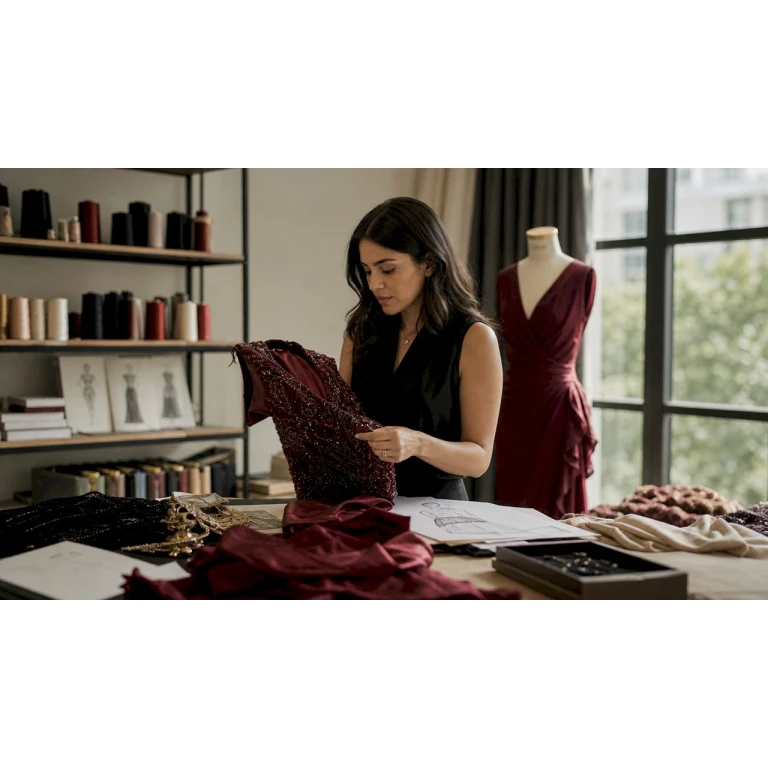
Rol de las colecciones de edición limitada en moda
Descubre el rol de las colecciones de edición limitada en moda. Generan exclusividad, valor y tendencias que transforman marcas. Lee más aquí.
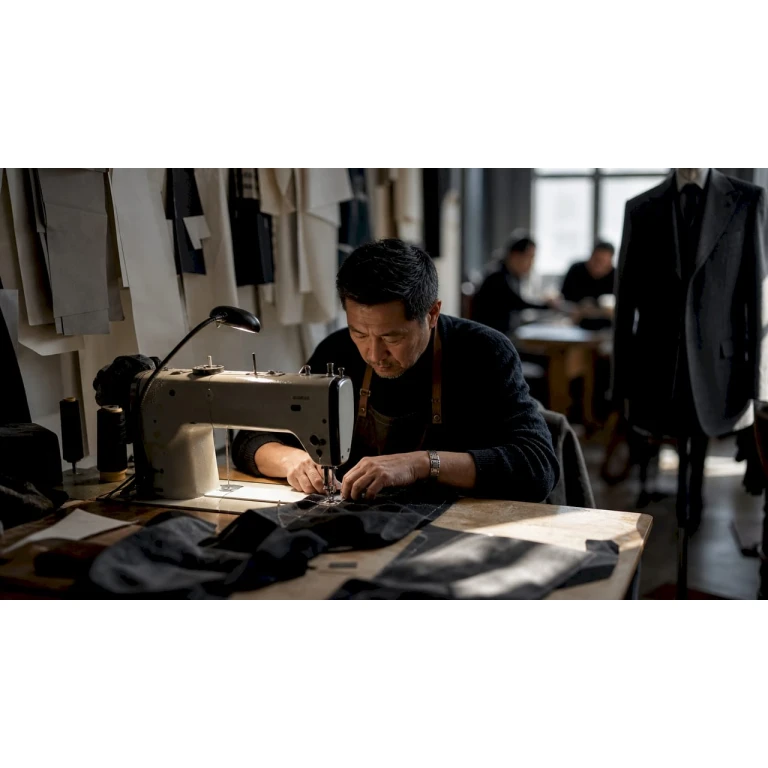
高级成衣工艺详解:时尚专业人士必读指南
探索高级成衣工艺详解,掌握144道工序与专业技艺,提升时尚素养,成为真正的时尚专业人士。
The Ganni Spring Summer 2026 Edit
The Luxury Handbags edit of Ganni Spring Summer 2026: leopard denim, the Stary jean, graphic tees, and weekend skirts.
Brands Like Ganni: 5 Labels to Know
Five brands like Ganni, all print-led contemporary names stocked at Luxury Shoes , from Stine Goya to Alemais.
 Gift shop