

How to get sold out luxury fashion finds: Insider strategies that actually work
You have been there. The dress, the bag, the shoes. Perfect in every way. You click “add to cart” and see those two devastating words: sold out. The piece you have been dreaming about has vanished into the ether, snapped up by faster fingers or insider connections you don’t have.
But here’s what most shoppers don’t realize. That sold-out item might not be gone forever. It’s just hiding in places the average consumer never thinks to look. Finding these hidden gems requires knowing where to search, who to know, and increasingly, how to leverage technology that puts insider-level access in your hands.
This guide will show you exactly how to get sold out luxury fashion finds using strategies that range from time-tested methods to AI-powered discovery. Whether you are hunting for a vintage Chanel flap bag or the latest drop from an emerging designer, these approaches will change how you shop for luxury.
Why sold-out luxury is the new normal
Luxury brands have mastered the art of scarcity. Limited production runs, exclusive drops, and strategic sellouts aren’t accidents. They’re calculated moves that drive desire and maintain prestige. When a brand produces only 500 units of a handbag, they guarantee demand will exceed supply.
The rise of “drop culture” in high fashion has accelerated this trend. Supreme pioneered the model, but now heritage houses like Hermès and Chanel use similar tactics. A collection appears online, sells out within hours, and suddenly that $3,000 bag is trading for $8,000 on secondary markets.
Seasonal collections compound the problem. By the time you see a piece on Instagram or in Vogue, it has often already disappeared from boutiques. Buyers at major retailers place orders months in advance, and once those allocations sell through, they are gone until (and if) the brand decides to reissue.
Here’s the silver lining. The resale market has exploded, and pre-owned luxury is no longer stigmatized. It’s celebrated. Sustainability-minded consumers, celebrity stylists, and fashion insiders all embrace secondhand as the smartest way to shop. A pre-loved item with provenance often carries more cachet than something fresh from the boutique.
The traditional hunt: methods that still work
Before we explore the new frontier of AI-powered shopping, let’s cover the established methods that continue to deliver results. These approaches require patience, persistence, and a willingness to dig deeper than a simple Google search.
Authorized resale platforms
Fashionphile, The RealReal, and Rebag have built their reputations on rigorous authentication processes. These aren’t peer-to-peer marketplaces where anyone can list items. Every piece passes through expert hands before reaching you.
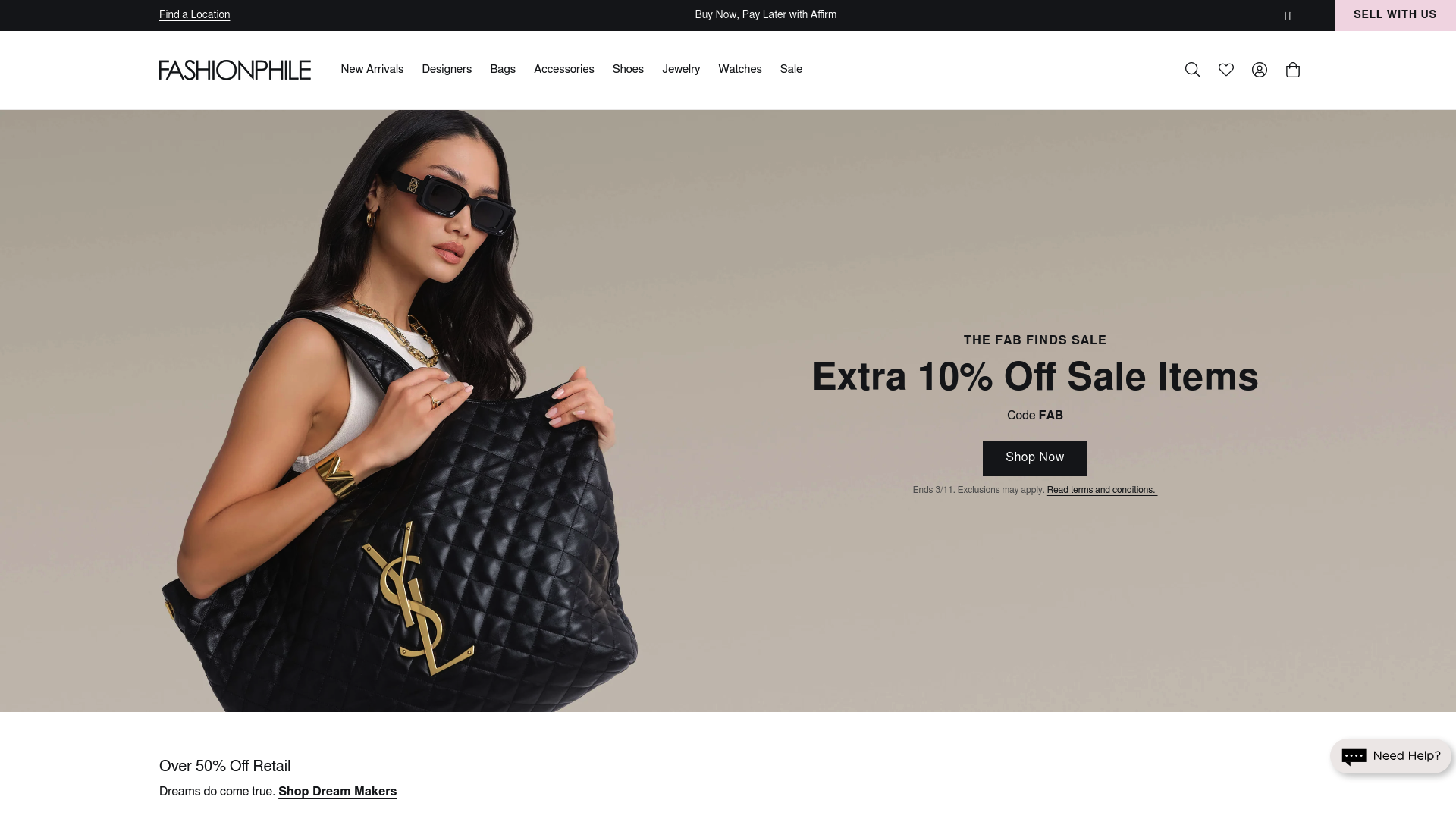
Fashionphile employs in-house specialists who examine date codes, hardware, stitching, and materials. They rate items from “Worn” to “Excellent” condition, and every listing shows the estimated retail price alongside your savings. A Chanel Caviar Quilted Jumbo Double Flap that retails for $12,200 might sell for $5,720, representing 53% savings.
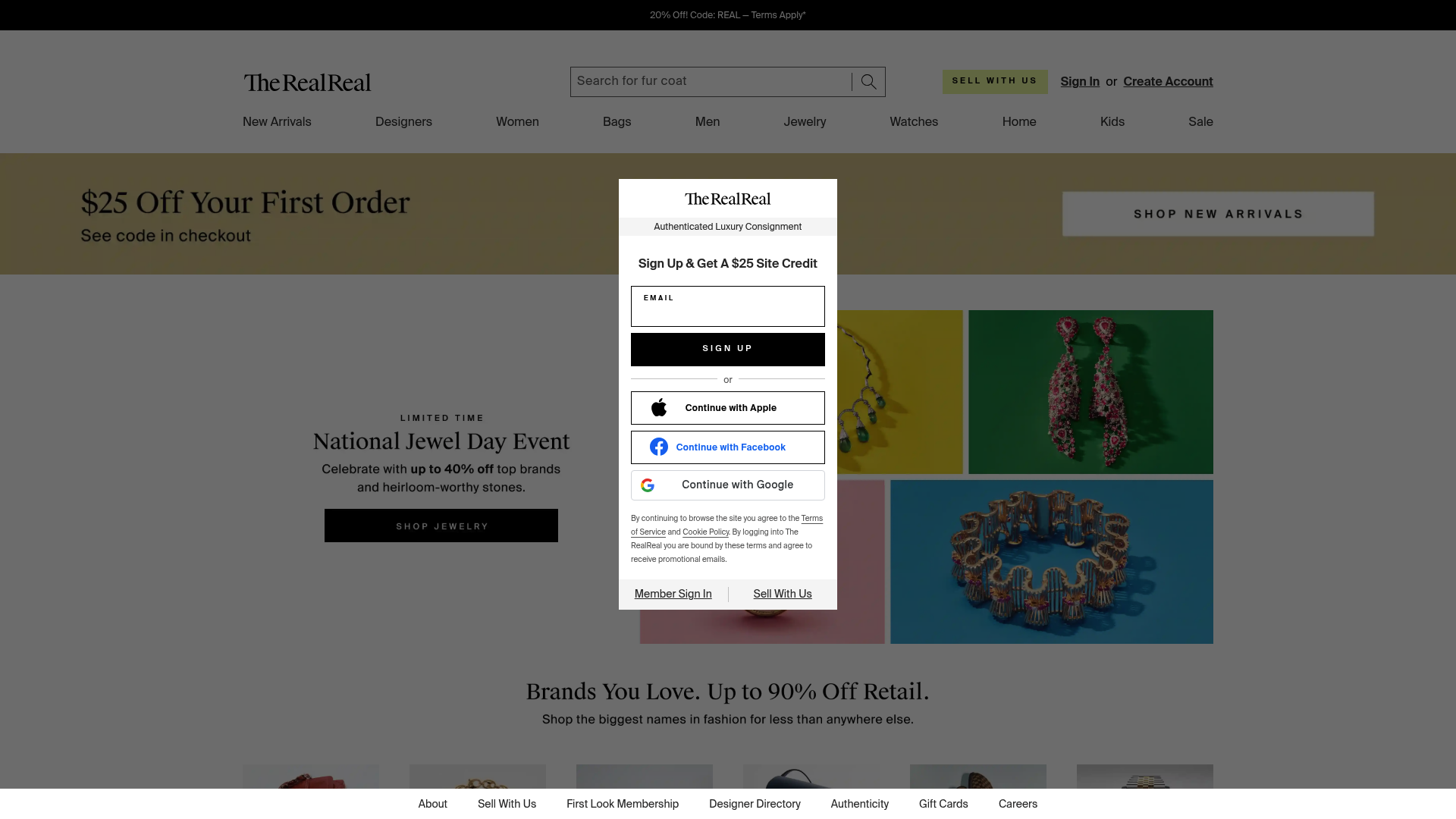
The RealReal operates at even greater scale, processing over one million items monthly through authentication centers staffed by 100+ luxury experts. Their proprietary technology includes TRR Vision, which takes microscopic photographs of every item and compares them against a database of 37+ million authentic pieces. They have kept over 250,000 counterfeits off the market.
When shopping these platforms, pay close attention to condition ratings. “Excellent” means minimal signs of wear. “Good” indicates visible use but no structural damage. “As Is” represents significant wear or minor flaws. The savings increase as condition decreases, so decide where you’re comfortable on that spectrum.
Luxury consignment stores
What Goes Around Comes Around has been sourcing vintage luxury since 1993, with locations in New York’s SoHo and Beverly Hills. They specialize in rare pieces from the 1980s and 1990s, particularly Chanel, and maintain relationships with collectors worldwide.
Their sourcing network extends to private clients in Europe, specialty collectors in Asia, and top dealers globally. This is how they find pieces that never appear on mainstream resale platforms. A vintage Chanel gripoix necklace or an Hermès Birkin from a private collection might surface at WGACA months or years after disappearing from retail.
The advantage of shopping with established consignors is their expertise. Staff can tell you the history of a piece, identify rare variations, and authenticate based on details invisible to untrained eyes. The disadvantage is inventory unpredictability. You can’t search for a specific item because you never know what they’ll have in stock.
Department store back channels
Neiman Marcus Last Call, Saks Off 5th, and similar outlets receive end-of-season merchandise from their parent stores. The selection tends toward past-season rather than true vintage, but prices often beat resale platforms because these are new, unsold items rather than pre-owned pieces.
Building relationships with sales associates at full-price boutiques can also yield fruit. Associates sometimes have access to returns, cancellations, or transfers from other locations. A polite request to be contacted if your desired item becomes available costs nothing and occasionally produces results.
The insider advantage: what most shoppers miss
Traditional methods work, but they’re slow, labor-intensive, and competitive. Everyone has access to Fashionphile and The RealReal. When a coveted piece appears, you’re competing against thousands of other shoppers with the same alerts set.
True insiders use different channels. They shop where the general public cannot, leverage relationships that take years to build, and increasingly, use technology that automates the hunt.
The power of boutique networks
Heritage boutiques in Milan, Paris, and London hold inventory that never reaches the internet. These family-owned establishments have operated for generations, serving local clients who value discretion over visibility. A boutique in Milan’s Quadrilatero della Moda might have three Birkins in the back room, reserved for customers they’ve served for decades.
The challenge is access. You can’t walk in off the street and expect to see this inventory. These boutiques prioritize existing relationships and rarely ship internationally. Even if you visit in person, language barriers and cultural norms can prevent transactions.
This is where the concept of a “Blind Network” becomes powerful. By partnering with hundreds of these heritage boutiques, platforms can access restricted inventory while maintaining the anonymity these establishments require. The boutique sells without appearing to sell. You buy without flying to Milan. Everyone wins.
At Coveti, we’ve built relationships with over 500 heritage boutiques across Europe and the Middle East. When you search for a sold-out piece through our platform, you’re not just searching the internet. You’re tapping into a network of inventory invisible to Google.
AI-powered discovery
The most significant shift in luxury shopping is the move from manual search to AI-curated discovery. Instead of browsing categories or typing keywords, you simply describe what you need.
“Find me a dress for a wedding in Lake Como.” “I need something for dinner in Dubai.” “Show me minimalist designer bags under $2,000.” The AI understands context, occasion, and style preferences in ways keyword search never can.
This technology works because it learns. Every interaction refines its understanding of your taste. It remembers that you prefer structured silhouettes over flowing ones, that you favor emerging designers over heritage houses, that you need modest options for certain occasions. Over time, it becomes a personal shopper that learns your preferences deeply.
Our AI Fashion Agent at Luxury Handbags represents this new approach. You chat naturally, describe your needs, and receive curated recommendations from our inventory and partner boutiques. The AI handles the translation, negotiation, and logistics. You simply choose what you love.
The efficiency difference is dramatic. A manual search across dozens of platforms might take hours and yield nothing. An AI-assisted search takes minutes and surfaces options you’d never find yourself.
When you can’t find it, design it
Sometimes the sold-out piece you want simply doesn’t exist in resale channels. The production run was too small, the item too niche, the demand too intense. In these cases, customization offers an alternative path.
Our 3D customization tool lets you design one-of-a-kind shoes with billions of possible combinations. Select your silhouette, choose materials, pick colors, add hardware. The result is a piece that’s uniquely yours, created to your exact specifications rather than hunted across the secondary market.
This approach flips the scarcity model. Instead of competing for limited supply, you create infinite possibility. The bag everyone wants might be sold out, but the bag you design exists nowhere else in the world.
How to verify authenticity
The greatest risk in hunting sold-out luxury is counterfeit goods. The fake market has grown sophisticated, with some replicas fooling even experienced shoppers. Protecting yourself requires vigilance and know-how.
Red flags when buying pre-owned luxury include prices that seem too good to be true, sellers who rush transactions, missing documentation, and vague provenance. A genuine Chanel bag will have a serial number, authenticity card, and care booklet. An Hermès piece should come with its original box, dust bag, and ribbon.
When examining an item, check these authentication points:
- Date codes and serial numbers: Every major luxury brand uses internal tracking codes. Learn where to find them for your target brand and verify they match the item’s claimed age.
- Hardware: Authentic pieces use high-quality metal with precise engraving. Fakes often have lightweight hardware with shallow or misspelled stamps.
- Stitching: Luxury houses use specific stitch counts per inch. Chanel, for example, typically uses 8-10 stitches per inch on quilted leather. Sloppy or inconsistent stitching indicates a fake.
- Materials: The leather, canvas, or fabric should feel substantial and luxurious. Fakes often use cheaper materials that feel plastic-like or thin.
Working with platforms that offer authentication guarantees provides essential protection. At Luxury Shoes , our Authenticity Protocol ensures every piece meets rigorous standards before reaching you. We verify provenance, examine construction, and guarantee authenticity or your money back.
Actionable tips for your next search
Whether you’re using traditional methods or AI-powered discovery, these strategies will improve your success rate:
- Set up alerts across multiple platforms. Don’t rely on a single site. Create wishlists on Fashionphile, The RealReal, Vestiaire Collective, and any specialty boutiques you favor.
- Build relationships with stylists and personal shoppers. Many luxury retailers offer complimentary styling services. These professionals often have early access to inventory and can source pieces not yet listed publicly.
- Follow independent designers before they blow up. The best time to buy is before the crowd discovers a brand. Follow emerging designers on Instagram, sign up for their newsletters, and purchase early collections.
- Consider geographic arbitrage. Prices for European brands often differ between markets. A piece that’s sold out in New York might be available in Dubai or Milan. Our global network at Luxury Handbags leverages these regional differences.
- Time your searches strategically. Resale inventory peaks after major holidays and fashion weeks, when consignors clean out closets. January and July typically see the highest volume of new listings.
Finding your sold-out piece with Luxury Shoes
The strategies outlined above work, but they require time, expertise, and connections that take years to build. Our approach at Luxury Handbags compresses that timeline from years to minutes.
When you use our AI Stylist, you’re not just searching inventory. You’re accessing the Blind Network of heritage boutiques, our curated relationships with independent designers, and the expertise of our concierge team.
Describe what you need in natural language. “I’m looking for a Zimmermann dress for a beach wedding in July.” The AI understands occasion, season, style, and budget. It searches our inventory, queries partner boutiques, and returns curated options within minutes.
For complex requests, our Concierge team provides white-glove service. We share videos and photos during the pick-up and packing process from boutiques. You see your item before it ships, handled with the care these pieces deserve.
With express shipping to 190+ countries and duty management handled on your behalf, geographic boundaries disappear. That boutique in Milan becomes as accessible as your local department store.
The future of luxury shopping isn’t about hunting harder. It’s about shopping smarter. Let technology do the work while you do the choosing.
Frequently Asked Questions
What are the best platforms for how to get sold out luxury fashion finds online?
The most reliable platforms include Fashionphile, The RealReal, and What Goes Around Comes Around for authenticated pre-owned pieces. For new inventory from restricted boutiques, Luxury Shoes ’s AI Fashion Agent accesses the Blind Network of heritage European boutiques not listed on typical resale sites.
How long does it typically take to find sold out luxury fashion finds using traditional methods?
Traditional hunting can take weeks or months depending on the rarity of the item. Setting alerts across multiple platforms, building relationships with sales associates, and checking resale sites daily are necessary but time-intensive. AI-powered discovery through platforms like Luxury Handbags can reduce this timeline to minutes by simultaneously querying multiple sources.
Are there specific seasons when it is easier to get sold out luxury fashion finds?
Yes. Resale inventory peaks in January and July, following holiday gifting seasons and fashion weeks when consignors clean out closets. End-of-season sales at department stores also occur in these months. However, the most coveted pieces rarely follow seasonal patterns, which is why year-round monitoring or AI-assisted search proves more effective.
What authentication guarantees should I look for when trying to get sold out luxury fashion finds?
Look for platforms with in-house authentication teams, not peer-to-peer verification. The RealReal employs 100+ specialists and proprietary technology like TRR Vision. Fashionphile uses brand-specific experts. At Luxury Shoes , our Authenticity Protocol verifies provenance and construction before any item ships. Always ensure the platform offers money-back guarantees if authenticity is disputed.
Can AI really help with how to get sold out luxury fashion finds better than manual searching?
AI significantly outperforms manual search for several reasons. It understands natural language requests (“something for a wedding in Lake Como”) rather than just keywords. It learns your preferences over time. Most importantly, it can access inventory networks like Luxury Shoes ’s Blind Network that are invisible to traditional search engines and require boutique relationships to unlock.
What should I do if I cannot find the exact sold out luxury fashion finds I want?
Consider three alternatives. First, expand your search to international markets where inventory may differ. Second, use 3D customization tools like Luxury Shoes ’s Custom Shoe Shop to create a unique piece with similar aesthetics. Third, work with a concierge service that can source directly from heritage boutiques or place special orders with emerging designers before their pieces sell out.
Related Posts

Sustainable Luxury Fashion in 2026: The Designers Doing It Right

What "Sustainable Luxury" Actually Means in 2026
The Design Approaches That Actually Reduce Impact
Made-to-Order and Made-to-...

Top 4 cofashion.com alternatieven 2026
Ontdek 4 cofashion.com alternatieven voor luxe mode en accessoires. Vergelijk en kies de beste marketplace voor jouw unieke stijl.

Rolle von Modekuratoren in der Luxusmode 2026
Entdecken Sie die Rolle von Modekuratoren in der Luxusmode 2026. Erfahren Sie, wie sie Kollektionen gestalten und Markenidentität schaffen.
Checklist accesorii de gală: ghid complet 2026
Descoperă checklistul complet de accesorii de gală pentru 2026! Află ce bijuterii, genți și încălțăminte elegantă alegi pentru evenimentele formale.
Pasos para combinar zapatos y bolso con estilo
Descubre los pasos para combinar zapatos y bolso con estilo. Aprende a crear outfits únicos y equilibrados que destaquen tu personalidad.
Diferența între rochii de zi și seară: ghid complet
Află diferența între rochii de zi și seară. Îndrumarea completă te ajută să alegi ținuta perfectă pentru orice ocazie elegantă!
Luxe kleding combineren: handleiding voor elke stijl
Ontdek onze luxe kleding combineren handleiding. Leer stijlvolle outfits samenstellen met essentiële basisstukken en slimme kleurcombinaties.

高端买手店区别全解析:选品、策展与选购指南
了解高端买手店区别,掌握选品、策展与选购技巧,提升购物决策,发现独特风格与价值。
Bedeutung einzigartiger Modestücke: Stil als Identität
Entdecke die Bedeutung einzigartiger Modestücke. Mode drückt Persönlichkeit aus und verbindet Identität mit Stil – ein spannender Blick auf deinen Ausdruck!

Cómo elegir piezas exclusivas de diseñador con criterio
Descubre cómo elegir piezas exclusivas de diseñador que reflejen tu estilo y personalidad. Invierte en moda atemporal y auténtica.

Resort Wear 2026: The Independent Designer Pieces Worth Packing
Why Independent Designers Own Resort 2026
The Pieces to Prioritise
The Statement Dress
The Bag That Travels
Shoes That Earn Their Place...

Beneficii ale modei sustenabile: ghid complet 2026
Descoperă beneficiile ale modei sustenabile în 2026. Află cum poți reduce impactul asupra mediului, economisind și adoptând un stil autentic.
 Gift shop