
[coveti_shop_v2]
Updated: February 2026
Luxury Handbags Stylist Standards
Reviewed by: Luxury Handbags Editorial Styling Team. Every guide is vetted for luxury appropriateness, fabric integrity, and 2026 dress-code compliance.
Standing out at a formal event can feel like a delicate balance between tradition and personal flair. When every detail matters, knowing the differences between white tie, black tie, and business professional sets the foundation for every style decision. A thoughtful approach helps you decode invitation clues, consider fabric choices, and choose designer looks that reflect both current trends and your own vision of elegance.
Table of Contents
- Step 1: Assess The Event And Dress Code
- Step 2: Identify Preferred Designer Styles
- Step 3: Select Fabrics And Silhouettes For Your Figure
- Step 4: Personalize Accessories And Finishing Touches
- Step 5: Verify Fit And Overall Impact
Quick Summary
| Key Point | Explanation |
|---|---|
| 1. Clarify the dress code first | Understanding the event’s dress code influences all styling decisions and helps avoid confusion or expense later on. |
| 2. Research preferred designer styles | Aligning your formal wear with designers that match your aesthetic elevates your overall look and confidence at the event. |
| 3. Ensure proper fit and comfort | A well-fitted dress enhances your appearance and comfort, making you feel more confident throughout the event. |
| 4. Choose accessories that enhance | Accessories should complement your dress and personal style, ensuring they elevate rather than overwhelm your overall look. |
| 5. Test the complete look before the event | Trying on your dress with accessories and shoes helps you ensure everything works harmoniously, avoiding last-minute surprises. |
Step 1: Assess the event and dress code
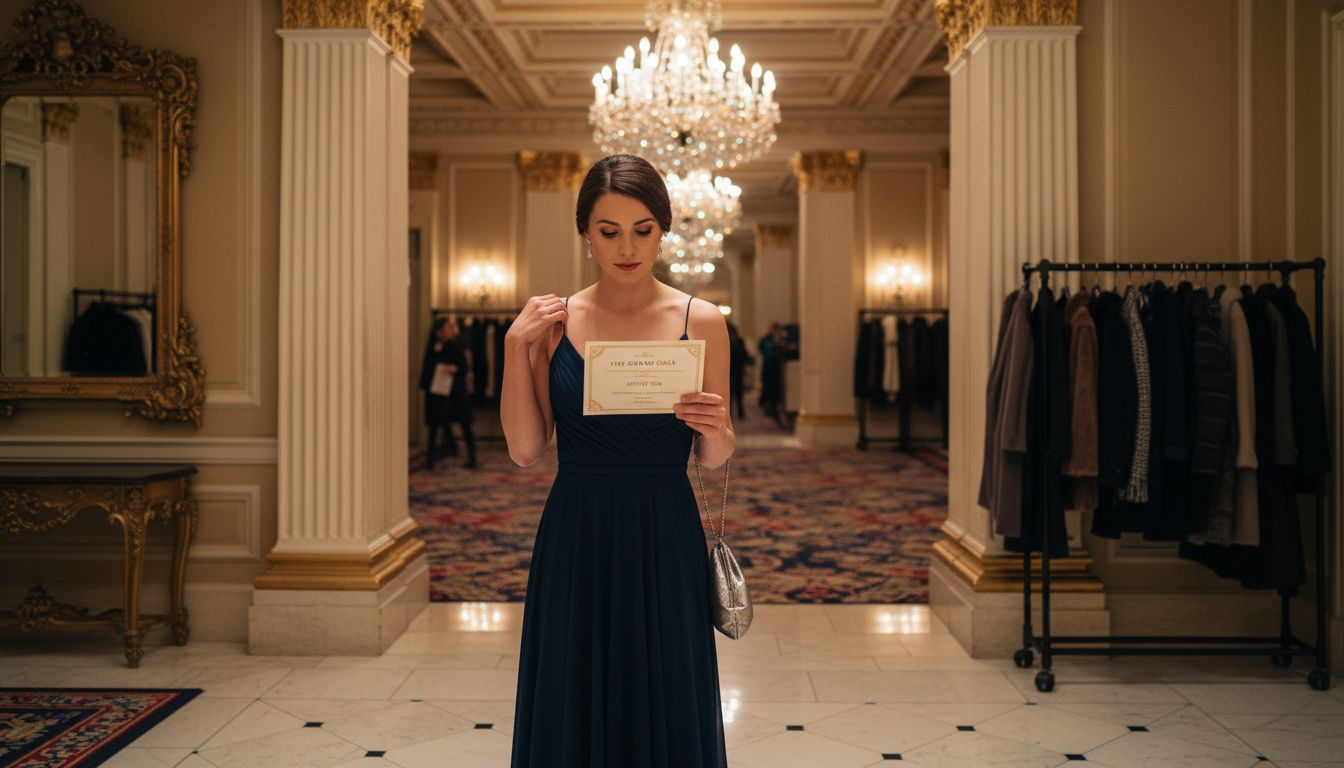
Before you shop for your dress, you need to understand exactly what the event calls for. The difference between black tie optional and black tie required can completely change your approach. Knowing this from the start saves you time, money, and the stress of last-minute wardrobe decisions.
Start by identifying the event type and gathering specific details:
- Invitation language: Look for explicit dress code mentions like “black tie,” “cocktail attire,” or “business professional”
- Event purpose: Is this a charity gala, corporate dinner, wedding, or awards ceremony? Each has different style expectations
- Venue and time: An evening event at a grand hotel signals different styling than a daytime brunch at a gallery
- Guest list context: Who else will be attending? Industry professionals, family members, or fashion-forward peers?
If the invitation doesn’t specify a dress code, contact the host directly. One quick text or email clarifies everything and shows respect for the occasion.
Understanding the specific dress code requirements shapes every decision you’ll make, from fabric choice to accessories and overall formality level.
Formal occasions require business professional attire that projects polish and respect. This typically means structured fabrics, refined silhouettes, and attention to detail. The shift toward more casual cultural norms in recent years hasn’t changed expectations for truly formal events—these occasions still demand elegance and respect for tradition.
Research the event venue and location. A black-tie gala in New York City might embrace bolder, trendier designs than the same event in a conservative business hub. Climate matters too. A summer garden party requires different fabric weight and styling than a winter evening reception.
Consider your own role at the event. As a guest, you have more flexibility than if you’re hosting or presenting. As someone in the spotlight—perhaps standing in a receiving line or being recognized—you might want to choose something more classic and less experimental.
Also check if there are any specific guidelines about color or style. Some events discourage white (reserved for brides), black (associated with mourning in certain contexts), or very bold patterns. Understanding occasionwear expectations helps you navigate these unspoken rules gracefully.
Here’s how common formal dress codes compare:
| Dress Code Type | Typical Dress Length | Acceptable Fabrics | Level of Formality |
|---|---|---|---|
| White Tie | Floor-length gown | Satin, Silk | Most formal and traditional |
| Black Tie Required | Long or midi gown | Velvet, Tulle | Very formal, classic |
| Black Tie Optional | Midi/cocktail dress | Chiffon, Crepe | Formal but flexible |
| Cocktail Attire | Knee/midi length | Lace, Satin/blends | Semi-formal, modern |
| Business Professional | Knee/midi dress/blazer | Crepe, Light Wool | Conservative, understated |
Pro tip: Screenshot the dress code language from your invitation or bookmark the event website details. When you’re browsing designer dresses, you’ll have this reference handy to make confident choices that align perfectly with what’s expected.
Step 2: Identify preferred designer styles
Now that you know your event’s dress code, it’s time to define what aesthetic speaks to you. Your personal style within formal parameters is what transforms a dress from appropriate to unforgettable. This step is about finding designers whose vision aligns with how you want to present yourself.
Start by understanding the formal style foundations. Formal wear traditionally includes structured, classic designs like evening gowns for white tie events, cocktail dresses for black tie, and refined pieces for semi-formal occasions. These timeless silhouettes emphasize elegance and polish. However, within these parameters, designers interpret formality differently—some lean minimalist and modern, others embrace ornate details and drama.
Define your personal preferences across these dimensions:
- Silhouette: Do you prefer fitted designs, flowing fabrics, or architectural shapes?
- Neckline and sleeve: Are you drawn to classic styles like strapless or sweetheart necklines, or do you favor modern cuts?
- Color palette: Beyond basic black, what hues make you feel confident? Jewel tones, pastels, or metallics?
- Embellishment level: Do you gravitate toward understated elegance or statement-making beading and details?
- Fabric texture: Silk, satin, tulle, crepe—what feels best against your skin?
Your preferred designer style should make you feel like the best version of yourself, not compromise on confidence for correctness.
Research designers whose aesthetic matches your vision. Browse collections from luxury houses known for evening wear, then identify emerging independent designers whose work excites you. Notice patterns in what you’re drawn to—certain silhouettes, color families, or design philosophies will emerge naturally.
Consider how designer brands convey quality and craftsmanship that elevates formal events. A dress from an established atelier carries different expectations and prestige than mass-market options. Think about whether you want the recognizable heritage of a storied house or the fresh perspective of a contemporary designer.
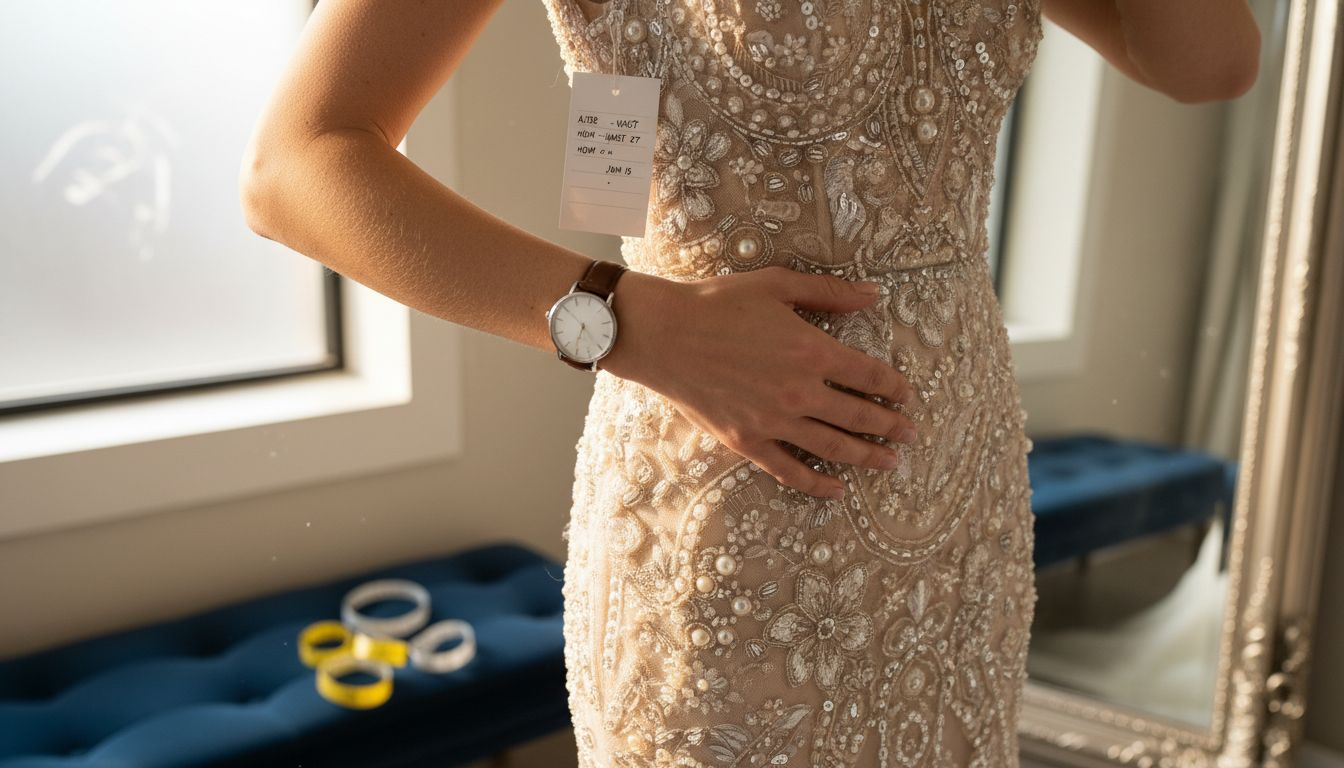
Look at how designers style their pieces in imagery. The way a dress is photographed, the accessories paired with it, and the overall presentation reveal how the designer intends the piece to be worn. This visual storytelling helps you understand if their vision matches yours.
Create a mood board or bookmark collection of specific dresses and designers that resonate with you. Having visual references keeps you focused when shopping and prevents impulsive choices that don’t align with your style vision.
Pro tip: Save specific designer pieces to your wishlist and track price drops over several weeks—formal occasion dresses sometimes go on sale, and you’ll catch opportunities you might otherwise miss.
Step 3: Select fabrics and silhouettes for your figure
The right fabric and silhouette work together to enhance your natural shape and make you feel confident. This is where technical knowledge meets personal styling—understanding how materials and cuts interact with your body transforms a dress from nice to absolutely perfect.
Start by considering your body shape and what silhouettes flatter you best. A-line dresses are universally flattering, fit-and-flare styles accentuate curves, sheath dresses offer a sleek modern look, and shift designs provide comfort without clinging. Think about past dresses that made you feel amazing—what silhouette were they? That’s your starting point.
Evaluate fabric choices based on both appearance and comfort:
- Satin: Structured and photographs beautifully; ideal for formal events where you’ll be seen from a distance
- Silk: Luxurious feel against skin; drapes elegantly and suits sophisticated occasions
- Chiffon: Perfect for flowing, ethereal styles and warmer seasons; adds movement and grace
- Velvet: Rich texture for cooler weather events; conveys opulence and drama
- Tulle and lace: Build volume and texture; add dimension and visual interest to designs
The best fabric choice balances how the material looks, how it feels when you wear it, and how well it suits the event’s formality.
Choosing the right fabric impacts comfort, appearance, and how the dress fits your body type. Stiffer fabrics like satin hold their shape and highlight or minimize certain features. Softer, flowing fabrics like chiffon drape around curves naturally. Consider whether you want to emphasize your silhouette or create a more relaxed, understated line.
Dress length matters equally. Maxi lengths convey formality and elegance for black-tie events, midi lengths work beautifully for cocktail occasions, and knee-length dresses suit business-formal settings. Length should balance your height and leg proportion—taller frames can handle longer cuts, while petite figures often feel more proportional in midi or knee lengths.
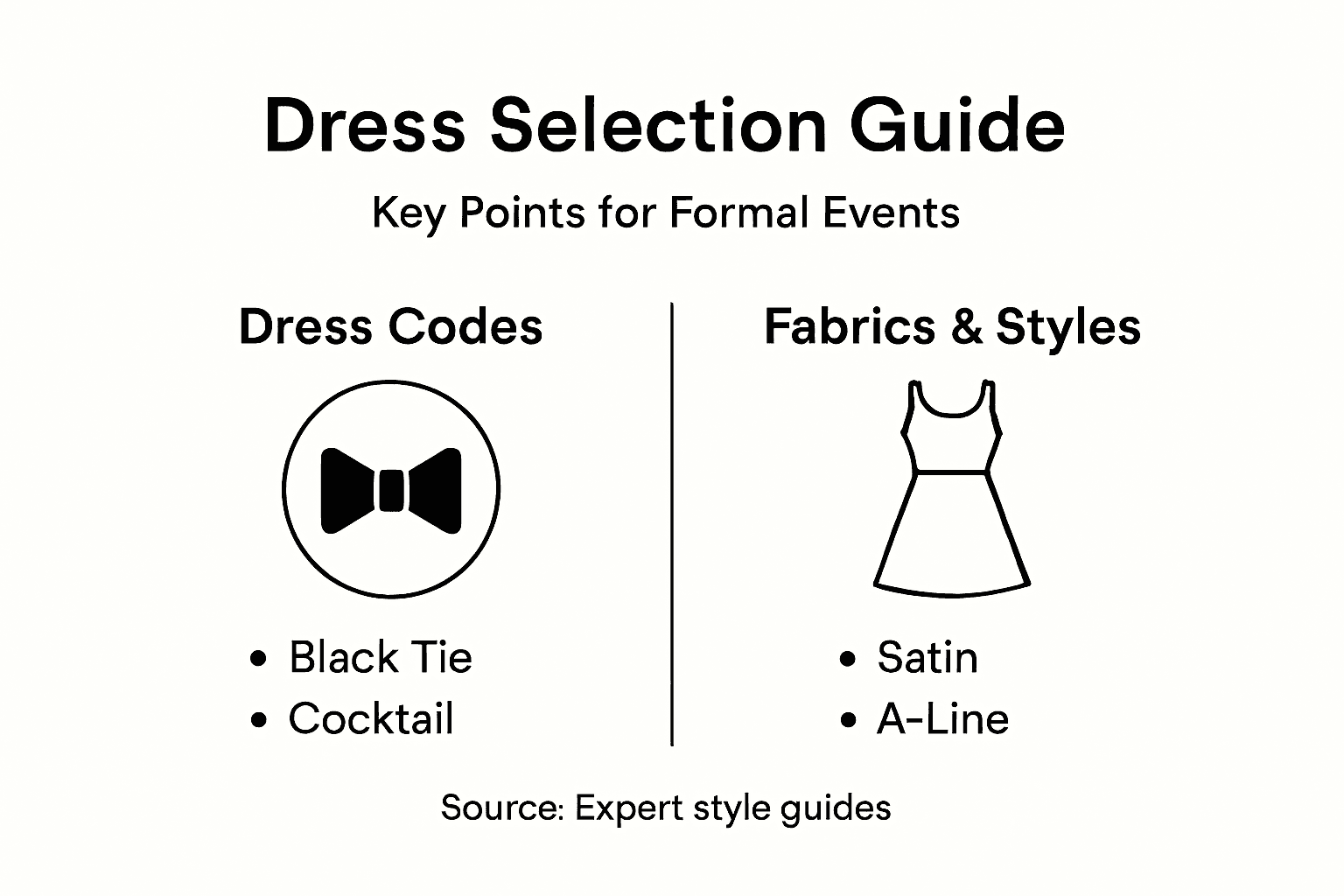
Test how fabrics feel on your skin. Formal events often mean hours of wear, so prioritize comfort alongside appearance. A dress that photographs perfectly but makes you itch throughout the evening undermines your confidence.
Consider seasonal factors too. Summer galas benefit from lighter fabrics like silk charmeuse and chiffon, while winter events suit heavier materials like velvet and structured satin that provide warmth without bulk.
Pro tip: When trying on dresses, pay attention to how the fabric moves when you walk, sit, and turn—these are the moments people will actually see you, so choose materials that feel as good as they look in motion.
Step 4: Personalize accessories and finishing touches
Accessories transform a formal dress from polished to unforgettable. This is where your individual style shines through while maintaining the sophistication the occasion demands. The right finishing touches complete your look and express confidence in your choices.
Begin by considering what statement you want to make. Jewelry and accessories serve as distinctive finishing touches that personalize your formal look. Precious metal jewelry like necklaces and earrings add elegance, while accessories like belts or handbags provide both aesthetic appeal and practicality. Think about whether you want understated refinement or a bold focal point.
Choose accessories strategically based on your dress:
- Necklace: If your dress has a high or embellished neckline, skip it. A simple pendant works beautifully with strapless or sweetheart necklines
- Earrings: Go statement-making if your hair is pulled back, or opt for subtle studs with loose waves
- Bracelet: A delicate cuff or tennis bracelet adds sophistication without competing with other pieces
- Handbag: Select a clutch or small evening bag in a complementary color or metallic finish
- Shoes: Choose heels in a tone that elongates your leg or matches your dress
The goal is enhancement, not competition—your accessories should elevate your dress, not overshadow it.
Selecting appropriate accessories that convey confidence and respect means avoiding overwhelming your outfit. Subtle jewelry, quality pieces, and thoughtful selections showcase your taste and attention to detail. One bold statement piece works better than layering multiple competing accessories.
Consider the color palette carefully. Warm metallics like gold complement jewel tones beautifully, while cool silvers and platinum work wonderfully with blues and purples. Neutral accessories never disappoint if you’re unsure.
Below is a reference for matching accessory types to neckline styles:
| Neckline Style | Best Necklace Option | Earring Suggestion |
|---|---|---|
| Strapless/Sweetheart | Simple pendant, choker | Bold statement earrings |
| High/Embellished | Skip necklace | Studs or delicate drops |
| V-Neck | Pendant or drop necklace | Medium-length drops |
| Off-the-shoulder | Collar, layered short | Hoop or chandelier earrings |
| One-shoulder | Asymmetrical/none | Ear cuff or small studs |
Don’t forget practical finishing touches. Your hair, makeup, and grooming are accessories too. A sleek updo, polished nails, and refined makeup complete the picture. These details demonstrate the same care you’ve invested in selecting your dress.
Think about comfort and functionality. Can you comfortably wear these shoes for several hours? Will your bag hold your phone and key essentials? Formal events demand elegance, but you also need to move and socialize confidently.
Test your complete look together. Try on your dress with accessories and shoes to see how everything works as a cohesive unit. Sometimes what looks stunning individually clashes when combined.
Pro tip: Invest in one or two timeless luxury accessories that work across multiple dresses and occasions—quality pieces you’ll return to repeatedly offer better value than trendy accessories you’ll wear once.
Step 5: Verify fit and overall impact
Before you commit to your dress choice, you need to ensure the fit is flawless and the overall impact matches your vision. This final verification step prevents regrets and guarantees you’ll feel confident walking into the event.
Start with the basics of proper fit. The dress should sit smoothly without pulling, bunching, or gaping at seams. Your shoulders should align with the shoulder seams, and the bust, waist, and hip areas should follow your natural curves without excessive tightness. A well-fitted outfit conveys attention to detail and respect for the occasion, directly influencing how others perceive you.
Evaluate these specific fit elements:
- Bodice alignment: Does it sit properly at your bust without wrinkles or gaps?
- Waistline placement: Falls at your natural waist without bunching or sliding
- Length accuracy: Hem grazes your ankles for maxi or hits at the right spot for midi or knee
- Armhole comfort: You can move your arms freely without restriction
- Back closure: Zippers work smoothly and fasteners are secure
The most beautiful dress in the world loses its power if you’re constantly adjusting it throughout the evening.
Tailored garments enhance posture and appearance through proper fit, helping establish a powerful first impression. Ill-fitting clothing undermines your confidence, whereas a dress that fits perfectly makes you feel like yourself, just elevated. If minor alterations would improve the fit, invest in them now.
Test the dress in realistic conditions. Move around, sit down, reach across a table, and walk in your heels. Can you breathe comfortably? Do you need to constantly pull the dress up or down? These real-world movements reveal fit issues that static mirror views miss.
Consider the overall visual impact. Step back and assess how everything works together—dress, accessories, shoes, hair, and makeup. Does it align with the event’s formality? Does it express your personal style? Do you look like yourself, just more polished?
Check the dress from multiple angles. Have someone photograph you from the front, side, and back. These images show how the dress moves and drapes when you’re not consciously posing. You want to look beautiful from every perspective, especially from behind.
Trust your gut feeling. If something feels off—whether it’s a nagging discomfort or an aesthetic doubt—address it now rather than regret it later. The right dress makes you feel amazing, and that feeling matters as much as how it looks.
Pro tip: Schedule a final fitting appointment one to two weeks before your event to address any minor adjustments, ensure everything is perfect, and give yourself time to break in your shoes and feel genuinely comfortable.
Elevate Your Formal Event Style with Luxury Shoes
Choosing the right dress for a formal event can feel overwhelming. From navigating complex dress codes like black tie optional to finding fabrics and silhouettes that flatter your figure the challenge is real. At Luxury Handbags you can overcome these hurdles by exploring a curated collection of luxury evening gowns and designer dresses that blend timeless elegance with unique contemporary flair. Whether you need a floor-length satin gown for white tie or a chic midi dress for cocktail attire Luxury Handbags offers pieces that ensure your look is unforgettable and perfectly tailored to your occasion.
Step confidently into your next special event by discovering exclusive designer styles and accessories that reflect your individuality. Visit Coveti now to explore our carefully selected dresses and accessories. Use our innovative tools and handpicked collections to find your perfect fit and standout statement. Don’t wait the ideal dress that balances tradition and bold fashion awaits you today on Luxury Shoes . Begin your luxurious style journey and make every formal occasion truly yours.
Frequently Asked Questions
How can I determine the appropriate dress code for a formal event?
To determine the appropriate dress code, carefully read the invitation for any explicit mentions of dress styles like “black tie” or “cocktail attire.” If the dress code is unclear, contact the host directly for clarification.
What are the key factors to consider when choosing a dress for a formal event?
Key factors include the event type, venue, time, and guest list context. Consider the formality of the occasion and any specific guidelines regarding colors or styles to ensure your selection aligns with expectations.
How should I select accessories to complement my formal dress?
Select accessories that enhance your dress without overshadowing it. Focus on choosing jewelry and bags that suit the neckline and overall style of your dress for a cohesive look that expresses your personal style.
What silhouettes and fabrics should I consider for my body type?
Choose silhouettes that flatter your figure, such as A-line or fit-and-flare designs for curves. Additionally, select fabrics like satin for structure or chiffon for flow, depending on the event’s formality and your comfort preferences.
How can I ensure that my formal dress fits perfectly?
To ensure a perfect fit, try on the dress and evaluate key elements like bodice alignment and length accuracy. Make any necessary minor adjustments well in advance, typically one to two weeks before the event.
What final checks should I perform before wearing my formal dress?
Before wearing your formal dress, verify the overall impact by checking the complete look from various angles. Arrange for a final fitting to ensure everything fits as intended and feels comfortable during the event.
Recommended
- Eveningwear Selection Guide: Choose the Perfect Luxury Look
- Step by Step Luxury Dress Guide for Exclusive Looks
- Step by Step Dressing for Special Occasions Success
- How to Choose a Luxury Gown for Special Occasions
Related Luxury Handbags Edits
Women’s Clothing — For a broader wardrobe view beyond Choosing the Right Dress for Formal Events Like a Pro, explore our Women’s Clothing edit. It brings together elevated separates, statement silhouettes, and polished essentials that help turn one-event inspiration into a complete luxury dressing strategy.
Designer Dresses — Our Designer Dresses collection is the strongest next step when this guide calls for sharper occasion dressing. It narrows the search to premium fabrics, more refined cuts, and designer-led pieces that photograph beautifully from arrival to after-hours.
Wedding Guest Dresses — If the article leans event-ready, our Wedding Guest Dresses page is the most direct match. It focuses on ceremony-appropriate looks that balance dress-code polish, comfort, movement, and the kind of finish that still feels memorable in photos.
Shop Related Pieces
- Marnie Shirtdress by Alemais
- Dorian Sundress by Alemais
- Marine Shirtdress by Alemais
- Surrealist Summer Mini Shirtdress by Alemais
- Surrealist Summer Shirtdress by Alemais
Related Posts

Men’s Belt Size Guide: How to Find Your Perfect Fit in 2026

Why Belt Sizing Trips People Up
How to Measure for a Belt
Belt Size Charts for 2026
US Belt Sizes
UK Belt Sizes
European Belt Sizes
B...

Luxuriöse Accessoires stylen: Tipps für 2026
Entdecke luxuriöse Accessoires Styling Tipps für 2026 und lerne, wie du mit der Drei-Accessoires-Regel jeden Look verfeinerst und überladene Styles...
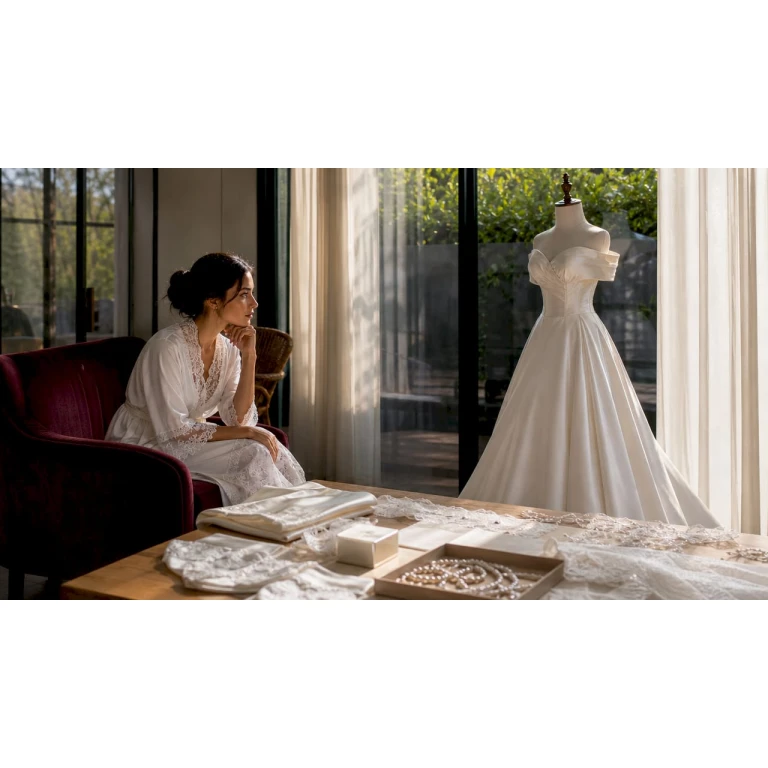
Pași pentru alegerea rochiei de nuntă: ghid 2026
Află pașii pentru alegerea rochiei de nuntă ideale. Ghidul nostru 2026 îți oferă sfaturi utile pentru confort și eleganță în ziua cea mare.
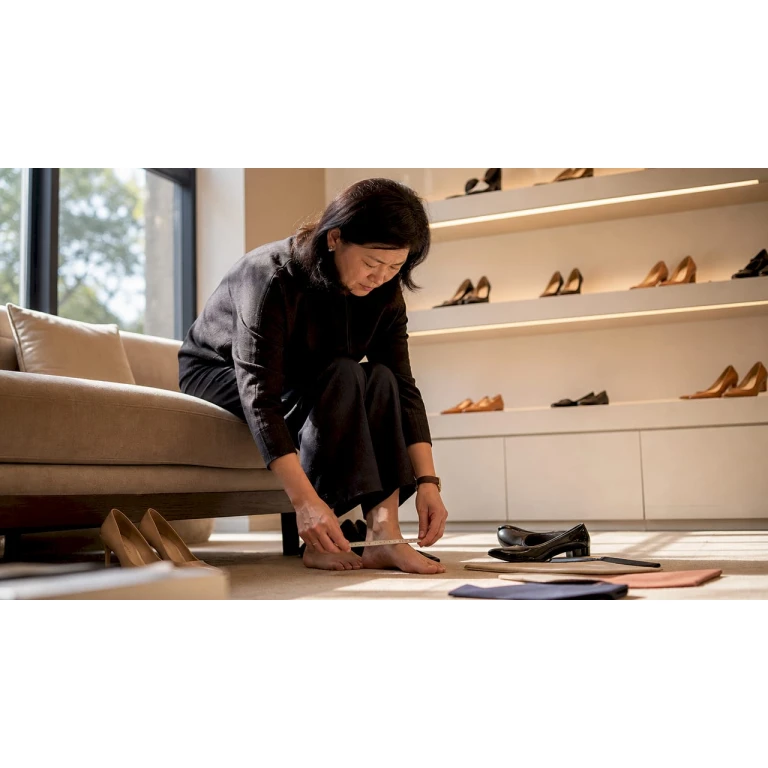
个性化高端鞋定制攻略:从脚型到风格的完整指南
探索个性化高端鞋定制攻略,获取脚型到风格的全面指导,打造属于你的时尚奢华鞋履。

Hoe personaliseer je 3D schoenen: complete gids
Ontdek hoe personaliseer je 3D schoenen in deze complete gids. Maak unieke en duurzame schoenen die echt bij jouw stijl passen!
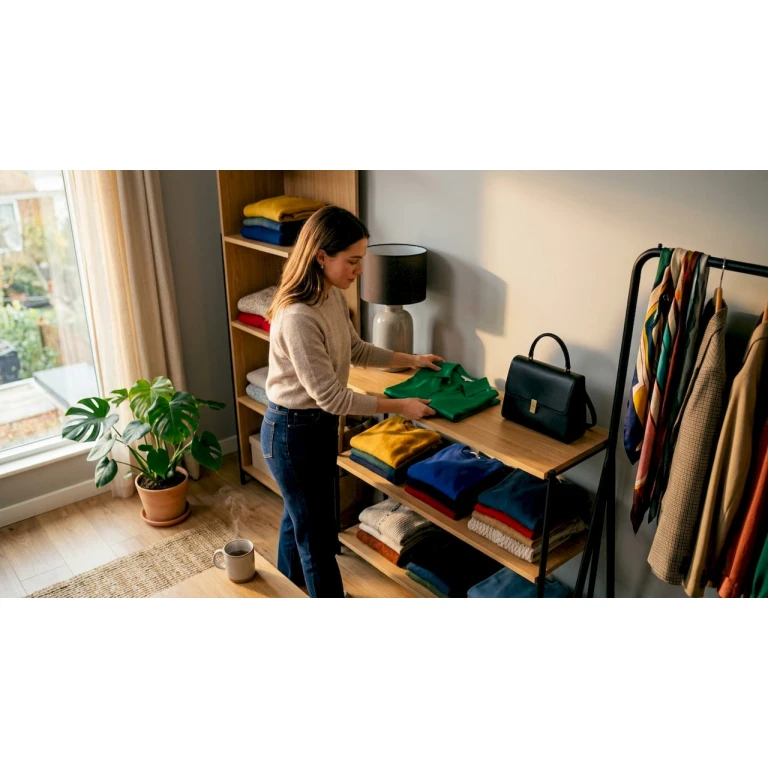
Pasos para crear looks únicos: guía práctica de estilo
Descubre los pasos para crear looks únicos que reflejan tu estilo personal. Organiza tu armario y experimenta con tu ropa para brillar.

The Best Gifts for Men in 2026: Independent Designer Picks
Why Independent Designer Gifts Land Differently
The Gift Categories Worth Exploring in 2026
Statement Outerwear
Bags and Accessories
Sh...
The Best Ganni Dresses to Buy
The Luxury Handbags edit of the best Ganni dresses, from printed and smock shapes to satin party pieces.
The Best Ganni Jeans: Stary, Audri and Every Cut
A guide to Ganni jeans cut by cut, from the Stary and Audri to the Betzy and baggy fits, with sizing help.
Ganni Sizing Guide: Does Ganni Run True to Size?
The full Ganni sizing guide, with a UK conversion chart, fit notes, and how the denim is sized.
Is Ganni Worth It? An Honest Buyer’s Guide
Is Ganni worth the money? An honest look at the quality, the price, and who the Copenhagen label actually suits.
Ce înseamnă timeless elegance: ghid complet 2026
Află ce înseamnă timeless elegance și cum poți construi o garderobă atemporală. Descoperă secretele unui stil vestimentar care nu se demodează!
 Gift shop